Image 1 of 4
1 / 4
Plant Reference
Eutrochium, Genus, fistulosum, Species,
- Genus & species
tall Joe-Pye weed
Eastern United States and Canada (Maine to Florida, west to Nebraska and Texas); moist to wet meadows, floodplain forests, stream banks, and disturbed moist ground
Overview
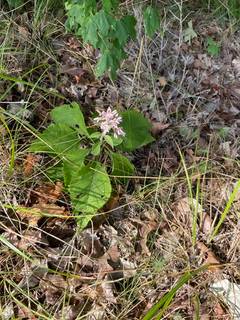
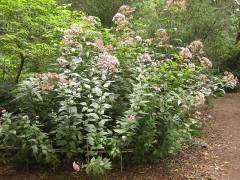
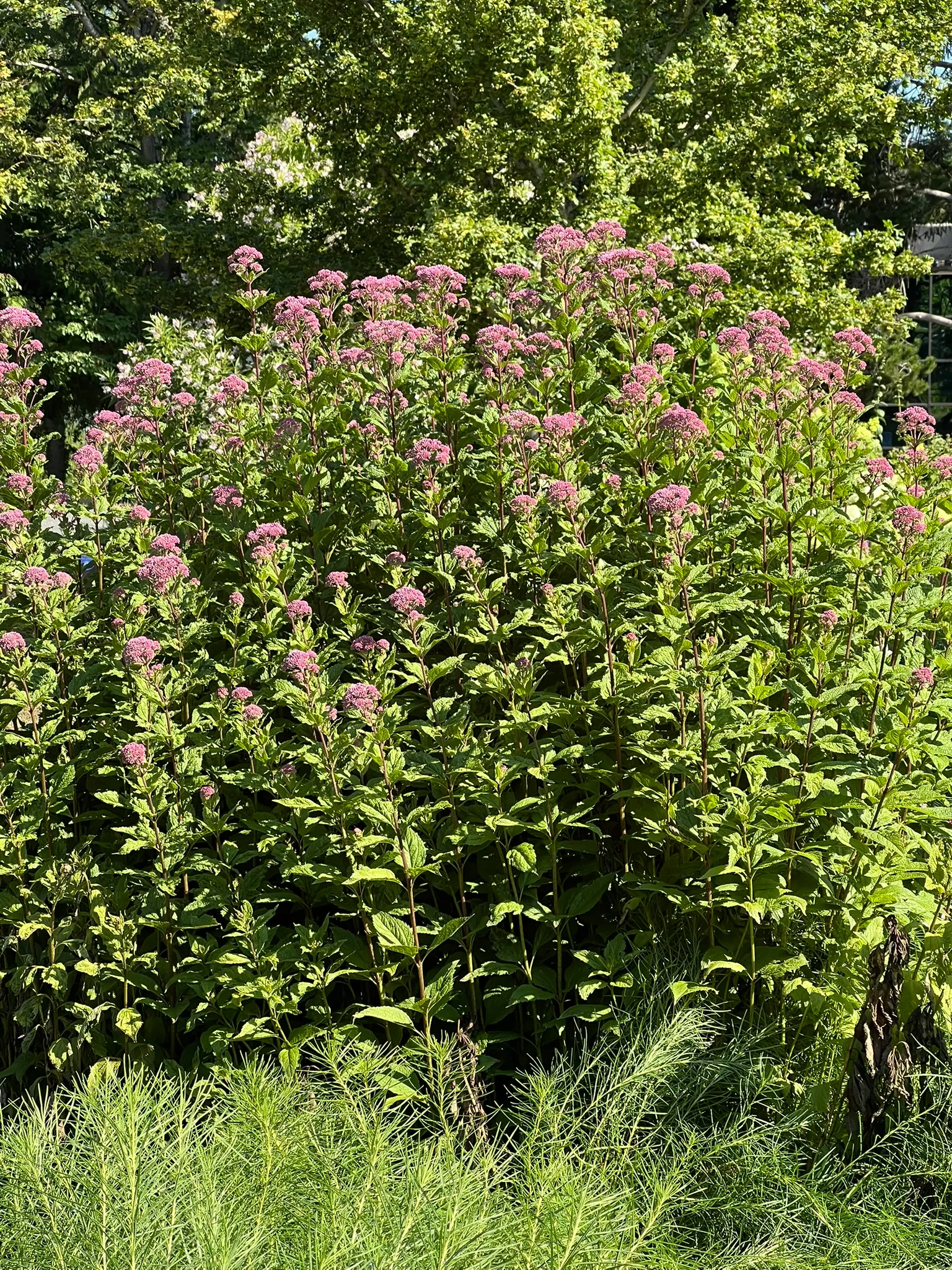
Eutrochium fistulosum is a tall clump-forming native perennial in the aster family (Asteraceae), native to moist meadows, stream banks, and woodland edges of eastern North America. Plants grow from a stout crown producing hollow purple-spotted stems 5–9 feet (1.5–2.7 m) tall. Leaves are lance-shaped to elliptic, 4–8 inches (10–20 cm) long, arranged in whorls of 4–7 at each node, medium green, and slightly rough-textured. In late summer, stem tips carry large domed flat-topped clusters 8–18 inches (20–45 cm) across of small fuzzy mauve-pink to pale rose-purple flower heads. Individual flower heads are tiny but massed in the hundreds per cluster, producing a soft hazy canopy effect. The flower clusters are a major late-summer nectar source for migratory monarchs, swallowtails, and other pollinators; field observations during bloom commonly record dozens of butterflies on a single mature clump. Separated from other Joe-Pye weeds by the hollow (fistulous) stems and the whorls of typically 6–7 leaves. Seed heads persist into winter and dry to a beige-white fluffy structure that remains visually present in the garden.
Native Range
Eutrochium fistulosum is native to the eastern United States and Canada, from Maine south to Florida and west to Nebraska and Texas, growing in moist to wet meadows, floodplain forests, stream banks, and disturbed moist ground, typically at low to moderate elevations. The species is most common in the coastal plain and piedmont of the southeastern United States.Suggested Uses
Planted in rain gardens, native plantings, pond margins, and large perennial borders at 36–48 inch (90–120 cm) spacing in USDA zones 4–9. The species is a key late-summer butterfly plant — monarchs, swallowtails, and fritillaries visit the flower clusters in large numbers during bloom. Combinations with ornamental grasses (Panicum virgatum, Andropogon gerardii) and other late-season natives (Rudbeckia laciniata, Vernonia noveboracensis) support prairie-style and moist-meadow plantings. The dried seed heads carry through winter and supply seed for finches and structural presence in the dormant garden.How to Identify
Appearance
Size & Dimensions
Height5' - 9'
Width/Spread3' - 4'
Bloom Information
Blooms August through September in USDA zones 4–9, with peak flowering typically in mid-August. The large flower clusters remain visually present for 4–6 weeks. Fluffy white seed heads develop after bloom and persist through fall and winter. In zones 8–9, bloom can begin in late July.
Detailed Descriptions
Flower Description
Mauve-pink to pale rose-purple; small fuzzy flower heads massed in the hundreds per cluster; clusters 8–18 inches (20–45 cm) across at stem tips; late summerFoliage Description
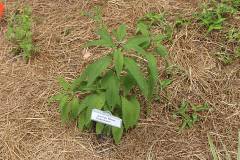
Medium green; lance-shaped to elliptic; 4–8 inches (10–20 cm) long; arranged in whorls of 4–7 at each node; slightly rough-texturedGrowing Conditions
Sun Requirements
Requires 4-8 hours of direct sunlight daily
• Full Sun: 6+ hours of direct sunlight
• Partial Shade: 3-6 hours of direct sunlight
• Full Shade: Less than 3 hours of direct sunlight
Care & Maintenance
Care Guide
Plant in full sun to partial shade in moist to average humus-rich soil at pH 5.5–7.0. Consistent soil moisture is required; established plants tolerate brief dry periods but decline under extended drought. Cutting stems back by one-half in late May to early June (the Chelsea chop) produces a more compact plant 3–4 feet (90–120 cm) tall that does not require staking; without this pinch, plants at their full 5–9 foot height often lodge in most garden settings and staking becomes necessary. Division every 3–5 years in early spring manages the expanding clump.Pruning
Cut back by half in late May to early June to control mature height and eliminate the staking requirement. Leave seed heads standing through winter for bird interest and structural presence in the dormant garden. Cut all stems to ground level in early spring before new growth emerges. Division in early spring every 3–5 years uses a sharp spade to lift and separate the crown into 2–4 sections.Pruning Schedule
Prune: March & May–June
late springearly spring