Eupatorium, Genus, maculatum, Species, 'Gateway', Cultivar,
- Genus & species
- Cultivar
Gateway Joe Pye weed
Eastern North America (Newfoundland to North Carolina, west to Manitoba and Iowa; moist meadows, stream banks, wet prairies)
Overview
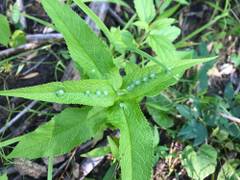
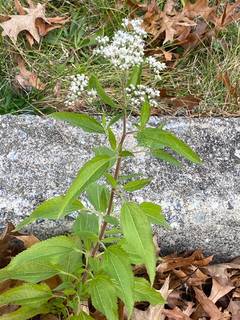
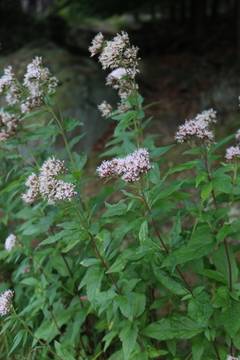
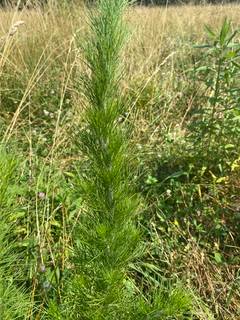
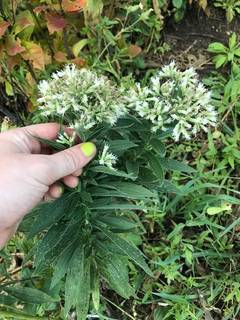
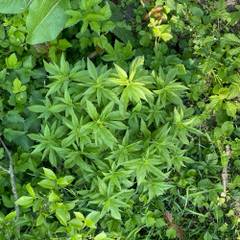
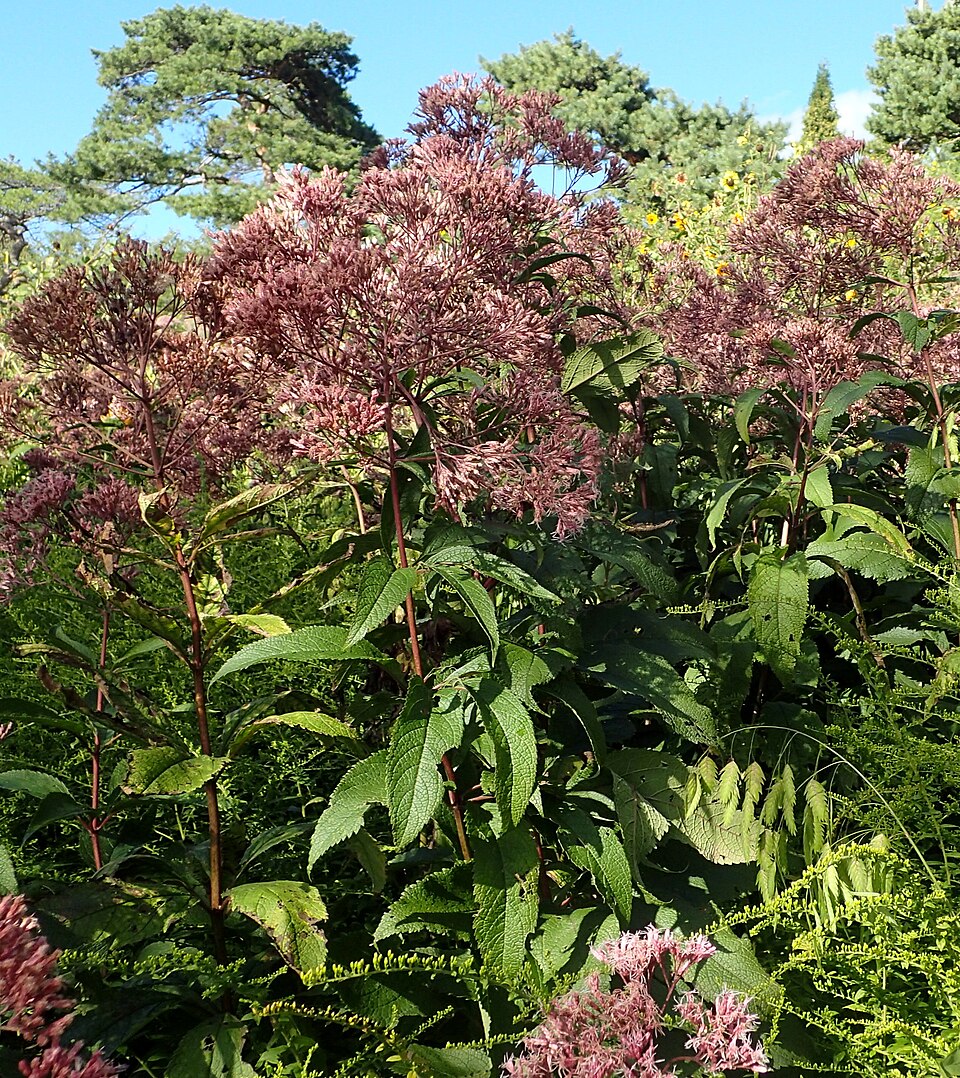
Eupatorium maculatum 'Gateway' (syn. Eutrochium maculatum 'Gateway') is an upright clumping herbaceous perennial in the aster family (Asteraceae) reaching 4–5 feet (1.2–1.5 m) tall with a spread of 2–3 feet (60–90 cm). This German selection (bred by Ernst Pagels) runs more compact than the species type, which can reach 6–8 feet (1.8–2.4 m) without cultivar selection. Stems are stout, dark wine-red to purple-red, sturdy, and self-supporting — the dark stem coloration is a feature in itself and reads clearly against the green foliage. Leaves are whorled in groups of 3–5, lance-shaped, 4–8 inches (10–20 cm) long, coarsely serrated, and dark green through the growing season. Flowers are carried in large domed flattened terminal corymbs 6–10 inches (15–25 cm) across, packed with tiny dusty mauve-pink to rose-purple florets in July–September. Growth rate is moderate to fast. Butterflies visit the corymbs in high numbers during bloom, which places this cultivar among the heaviest pollinator-traffic perennials in a late-summer garden. The species has been reclassified taxonomically from Eupatorium to Eutrochium, though the older genus name persists in the horticultural trade. Hardy to zone 4.
Native Range
Eupatorium maculatum (reclassified as Eutrochium maculatum) is native to eastern North America, from Newfoundland south to North Carolina and west to Manitoba and Iowa, where it occurs in moist meadows, stream banks, and wet prairies.Suggested Uses
Grown in perennial borders, rain gardens, meadow plantings, and near water features at 24–30 inch (60–75 cm) spacing. The dark wine-red stems and large flower corymbs carry bold late-summer structure that few other perennials can match at the same height and bloom timing. Butterfly traffic during bloom runs heavy and sustained; the cultivar functions as a dedicated butterfly-attracting perennial in pollinator-focused plantings and reads strongest when installed in groups of 3 or more for the massed flower display. Naturalistic plantings and restoration gardens suit the species native heritage. Pairing with ornamental grasses, Rudbeckia, and Vernonia builds a late-summer composition on matching moisture and sun preferences. Dry soils, xeric gardens, and positions without consistent summer moisture are not suitable given the species native wetland habitat.How to Identify
Appearance
Size & Dimensions
Height4' - 5'
Width/Spread2' - 3'
Bloom Information
Large domed flattened terminal corymbs 6–10 inches (15–25 cm) across of tiny dusty mauve-pink to rose-purple florets open in July–September. Bloom duration is 6–8 weeks. Dried seed heads persist into winter and carry goldfinches and other seed-eating birds through the cold season when the corymbs are left standing.
Detailed Descriptions
Flower Description
Dusty mauve-pink to rose-purple; large domed flattened terminal corymbs 6-10 inches acrossFoliage Description
Dark green; lance-shaped 4-8 inches long; whorled in groups of 3-5; coarsely serratedGrowing Conditions
Sun Requirements
Requires 4-10 hours of direct sunlight daily
• Full Sun: 6+ hours of direct sunlight
• Partial Shade: 3-6 hours of direct sunlight
• Full Shade: Less than 3 hours of direct sunlight
Care & Maintenance
Care Guide
Grows in full sun to partial shade in moist to wet fertile soil at pH 5.5–7.0, tolerating loam and clay. Hardy to zone 4. Does not tolerate drought — consistent moisture through the growing season is required, and positioning near water features or in low-lying garden areas that stay moist through summer supports the fullest flower display. Stems can be pinched back by one-third in late May to reduce final height by 12–18 inches and delay bloom by 2–3 weeks for gardeners who want shorter plants or later color. No serious pest or disease problems. Powdery mildew can develop in dry conditions, which is another reason the plant belongs in consistently moist sites rather than dry borders.Pruning
All stems are cut back to the ground in late fall or early spring as part of the standard perennial dormant-season cleanup. Optional late-May pinching by one-third reduces final height by 12–18 inches (30–45 cm) and delays bloom by 2–3 weeks for gardeners who want a shorter more compact plant or want to stagger bloom timing within a Joe Pye weed planting.Pruning Schedule
Prune: March & May
early springlate spring