Eupatorium, Genus, spp., Multiple species,
- Genus
- Multiple species
bonesets
North America, with species in Europe and Asia
Overview
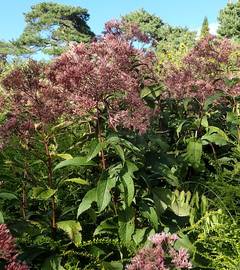
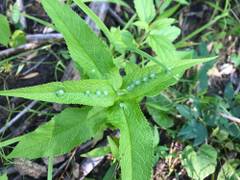
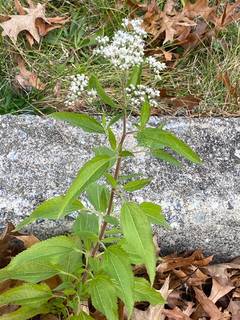
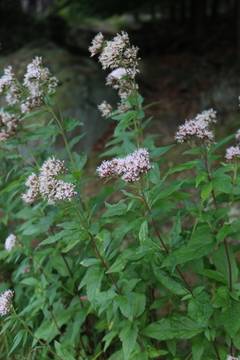
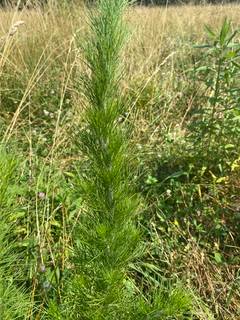
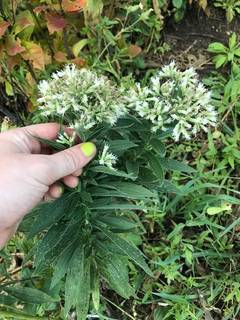
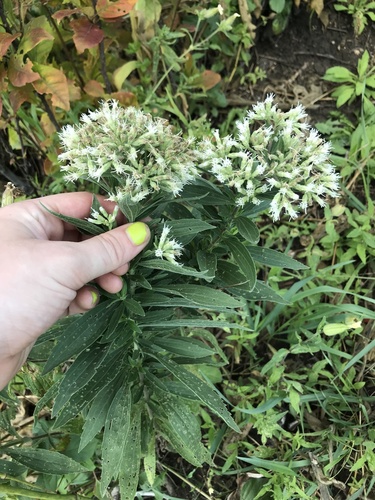
Eupatorium is a genus of perennials and subshrubs in the daisy family (Asteraceae), now numbering around 40 to 60 species after many former members were moved to related genera, and called boneset or thoroughwort. Plants form upright clumps 2 to 6 ft (0.6 to 1.8 m) tall on sturdy stems, with opposite or whorled, toothed, lance-shaped leaves that in some species join around the stem. The small flower heads have no ray petals and gather into broad, flattened to domed clusters of fuzzy white, cream, or pale purple, opening in late summer and autumn. The flowers draw bees, butterflies, wasps, and flies in large numbers as one of the later nectar sources of the season. Tufted seeds follow and disperse on the wind. The genus grows in moist meadows, marsh edges, ditches, and damp woodland across North America, with additional species in Europe and Asia. Several species contain pyrrolizidine alkaloids that harm the liver if eaten by people or livestock, and common boneset (E. perfoliatum) has a long history of use in folk medicine despite this. Eupatorium spreads by rhizome and seed and can colonize damp ground, which limits its use in small gardens.
Native Range
Most Eupatorium species are native to North America, especially the eastern United States and Canada, with additional species in Europe, Asia, and the tropics. They grow in wet meadows, low prairies, stream and pond margins, ditches, and moist open woods.Suggested Uses
Eupatorium is grown in rain gardens, pond and stream edges, wet meadows, and naturalistic borders for its late flowers and pollinator value. It is planted in damp ground where its spreading habit fills space among grasses and other moisture-loving perennials.How to Identify
Appearance
Size & Dimensions
Height2' - 6'
Width/Spread1'6" - 4'
Bloom Information
Eupatorium blooms from mid summer into autumn, roughly July to October, when the flat clusters of fuzzy flowers open over several weeks. The late flowers draw bees, butterflies, and other insects when many other plants have finished. Wind-borne seed follows within a few weeks.
Detailed Descriptions
Flower Description
white, cream, or pale purpleFoliage Description
greenGrowing Conditions
Sun Requirements
Requires 4-12 hours of direct sunlight daily
• Full Sun: 6+ hours of direct sunlight
• Partial Shade: 3-6 hours of direct sunlight
• Full Shade: Less than 3 hours of direct sunlight
Care & Maintenance
Care Guide
Eupatorium grows in full sun to part shade in moist to wet, fertile soil at pH 5.0 to 7.0, and tolerates clay, seasonal flooding, and pond margins where many perennials fail. It struggles in dry, sandy soil, where the foliage scorches and the clumps weaken. Most species are hardy across USDA zones 3 to 8 and die back to the ground in winter. The clumps spread by rhizome and self-seed freely, so they suit larger naturalistic plantings more than tight borders. Cutting back in early summer produces shorter, denser plants that are less likely to flop.Pruning
Stems are cut to the ground in late autumn or early spring as the old growth dies back. Cutting the clumps back by a third in early summer keeps them shorter and sturdier. Removing the seed heads before they ripen limits self-sowing.Pruning Schedule
Prune: June & November
summerfall