Erythrina, Genus, herbacea, Species,
- Genus & species
eastern coral bean
Southeastern United States and northeastern Mexico
Overview
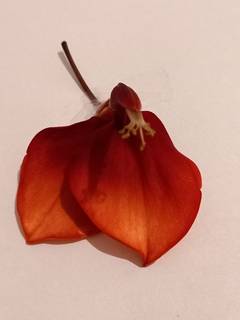
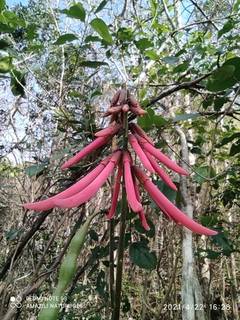
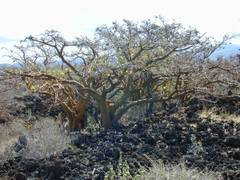
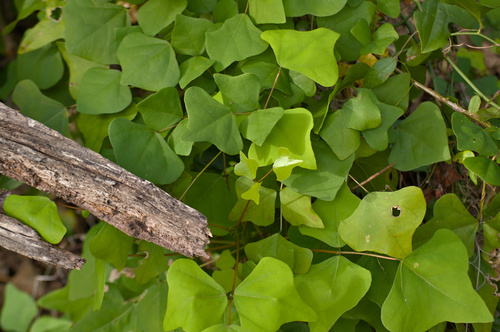
Erythrina herbacea is a deciduous shrub or small tree of the southeastern United States and Mexico, dying back to a woody base in colder parts of its range and growing taller, to 12 feet (3.7 m) or more, where winters are mild. Typical garden plants reach 3-8 feet (0.9-2.4 m) tall and 3-6 feet (0.9-1.8 m) wide. The leaves are divided into three arrowhead-shaped leaflets 2-4 inches (5-10 cm) long, often carrying small curved prickles on the stems and leaf undersides. In late spring and summer, leafless or leafy spikes 1-2 feet (30-60 cm) long bear narrow, tubular scarlet-red flowers up to 2 inches (5 cm) long that draw hummingbirds. These are followed by constricted, bean-like pods that split to reveal shiny scarlet seeds. All parts, and the seeds in particular, contain alkaloids that are toxic if eaten. The species grows in sandy woodlands, clearings, and coastal scrub, tolerating heat, drought, and poor soils. Limitations include the toxic seeds, prickly stems, and a top that dies back after frost in cooler zones. The bright seeds remain in open pods through fall and into winter.
Native Range
Erythrina herbacea is native to the southeastern United States and northeastern Mexico, from North Carolina south through Florida and west to Texas. It grows in sandy pine woodlands, hammocks, clearings, and coastal scrub.Suggested Uses
Grown in native, pollinator, and hummingbird gardens across the Southeast for its red summer flower spikes. Used in sandy, dry, and coastal plantings and as a dieback shrub in cooler zones. Suited to naturalized borders where its seeds and prickles are away from foot traffic.How to Identify
Appearance
Size & Dimensions
Height3' - 12'
Width/Spread3' - 6'
Bloom Information
Tubular scarlet flowers open from mid-spring into summer, generally April through July, on upright spikes that can rise above the foliage. In warm regions plants may flower again later in the season. Each spike blooms over two to three weeks. Seed pods follow, ripening to reveal red seeds by fall.
Detailed Descriptions
Foliage Description
Green, arrowhead leafletsGrowing Conditions
Sun Requirements
Requires 6-10 hours of direct sunlight daily
• Full Sun: 6+ hours of direct sunlight
• Partial Shade: 3-6 hours of direct sunlight
• Full Shade: Less than 3 hours of direct sunlight
Care & Maintenance
Care Guide
Grows in full sun to part shade in well-drained sandy or loamy soil at a pH of 6.0-7.5. Established plants tolerate drought and poor soils and need little supplemental water. In USDA zones 8-11 the woody growth persists, while in zones 7b and colder the top dies back to a hardy root that resprouts in spring. No fertilizer is needed in average soil. The seeds and other parts contain alkaloids that are toxic if eaten. Plants flower most heavily in full sun.Pruning
Cut frost-killed top growth to the ground in late winter in colder zones, where the plant resprouts from the root. In frost-free areas, prune after flowering to shape the woody stems and remove dead wood. Spent flower spikes can be cut to limit seed set.Pruning Schedule
Prune: February
winter