Erythrina, Genus, crista-galli, Species,
- Genus & species
cockspur coral tree
Overview
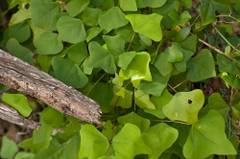
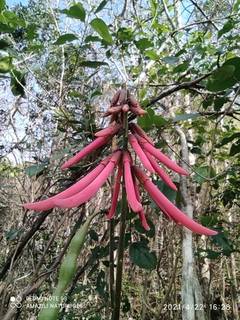
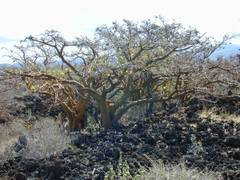
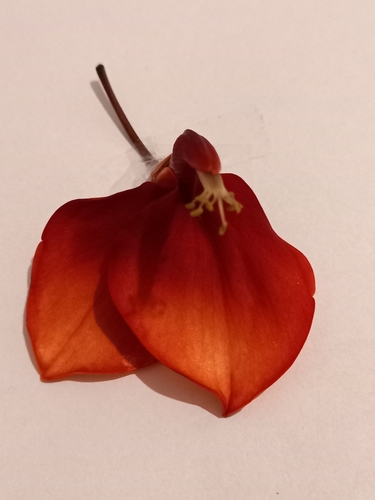
Erythrina crista-galli is a small deciduous tree or large shrub 15-25 feet (4.5-8 m) tall with a broad, spreading crown and a gnarled, often crooked trunk. Young stems and leaf stalks carry scattered short curved prickles. The compound leaves have three leathery leaflets, each 2-4 inches (5-10 cm) long. Deep red pea-like flowers, each 1.5-2 inches (4-5 cm) long, hang in arching clusters 6-24 inches (15-60 cm) long at the branch tips through the warm months. The flowers hold nectar and draw birds and large insects. Flat woody seed pods 4-8 inches (10-20 cm) long follow, holding hard brown seeds. The seeds, bark, and leaves contain erythrina alkaloids that are toxic if eaten by people or animals. In cool climates the top growth is cut back by frost and the tree regrows from the base in spring. It needs a warm, sheltered, well-drained site and is damaged by prolonged cold or by wet soils.
Native Range
Erythrina crista-galli is native to South America, including Argentina, Uruguay, Brazil, and Paraguay, where it grows along rivers, wetlands, and gallery forest margins. It is the national flower of Argentina and Uruguay.Suggested Uses
Grown as a flowering specimen or small shade tree in warm-climate and coastal gardens, and as a cut-back shrub in colder areas. Its summer flowers and tolerance of damp ground suit it to poolside and waterside plantings where there is room for the spreading crown.How to Identify
Appearance
Size & Dimensions
Height15' - 25'
Width/Spread15' - 25'
Bloom Information
Detailed Descriptions
Foliage Description
greenGrowing Conditions
Sun Requirements
Requires 6-12 hours of direct sunlight daily
• Full Sun: 6+ hours of direct sunlight
• Partial Shade: 3-6 hours of direct sunlight
• Full Shade: Less than 3 hours of direct sunlight
Care & Maintenance
Care Guide
Erythrina crista-galli grows in full sun in deep, well-drained soil with regular water during the warm growing season. It tolerates short dry spells once established but is damaged by waterlogged ground. The tree is frost tender; in cold areas the stems die back and regrow from the base, while in mild climates it builds a permanent woody framework. The seeds, bark, and foliage contain alkaloids toxic to people and animals if eaten. It is propagated from seed or hardwood cuttings, and seedlings can flower within a few years.Pruning
Pruning is done in late winter while the tree is leafless, cutting spent flower stems and shortening or removing frost-damaged wood. In cold areas the whole top can be cut close to the ground each year, and the plant regrows as a multi-stemmed shrub. Light pruning after the first flush can bring a second flowering.Container Growing
Suitable for container growing
Minimum container size: 15 gallons