Erythrina, Genus, spp., Multiple species,
- Genus
- Multiple species
coral trees
Overview
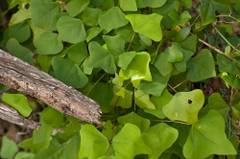
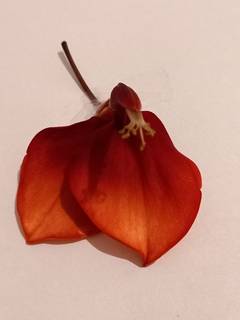
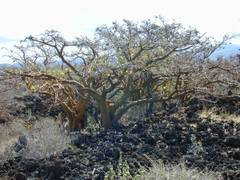
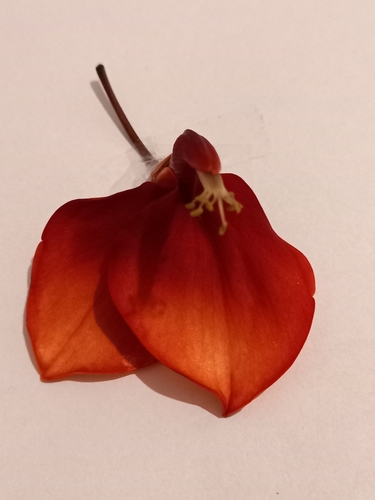
Erythrina is a genus of about 130 trees, shrubs, and a few perennials in the pea family, Fabaceae, known as coral trees. Plants range from suckering shrubs 6-15 feet (1.8-4.5 m) tall to spreading trees reaching 30-60 feet (9-18 m), with stout, often thorny branches. The leaves are compound with three broad leaflets, and the trunk and stems of many species carry short, sharp prickles. The flowers are tubular to pea-shaped and usually bright red or orange-red, carried in dense upright or arching clusters, often appearing on bare branches before the leaves. Long-tongued birds pollinate the nectar-rich flowers, which are followed by narrow pods containing hard red or red-and-black seeds. The genus is native to the tropics and subtropics worldwide, in the Americas, Africa, Asia, and the Pacific, growing in dry forest, savanna, and coastal scrub. Many species are deciduous in the dry season and tolerate drought once established. The wood is soft and brittle, and limbs break in wind. The seeds of most species contain alkaloids that are toxic to people and animals if eaten.
Native Range
Erythrina is native to tropical and subtropical regions worldwide, including the Americas, sub-Saharan Africa, southern and eastern Asia, and the Pacific and Indian Ocean islands. Species grow in dry forest, savanna, grassland, and coastal scrub. E. crista-galli is native to South America, while E. caffra comes from southern Africa.Suggested Uses
Grown as flowering shade and street trees in warm climates, and as specimen plants for the red flowers and bird activity. Smaller and shrubby species are used in borders and large containers. Several species are planted as living fence posts and for nitrogen-rich green manure.How to Identify
Appearance
Size & Dimensions
Height6' - 60'
Width/Spread10' - 40'
Bloom Information
Flowering occurs mainly from late winter through spring, generally February to May, often on bare branches before new leaves expand. Some species flower intermittently through the warm months. The flowers draw birds and bees in large numbers during bloom.
Detailed Descriptions
Flower Description
red to orange-redFoliage Description
greenGrowing Conditions
Sun Requirements
Requires 6-10 hours of direct sunlight daily
• Full Sun: 6+ hours of direct sunlight
• Partial Shade: 3-6 hours of direct sunlight
• Full Shade: Less than 3 hours of direct sunlight