Enkianthus, Genus, spp., Multiple species,
- Genus
- Multiple species
Overview
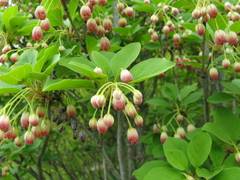
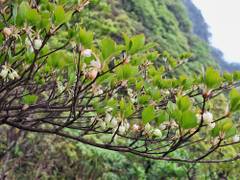
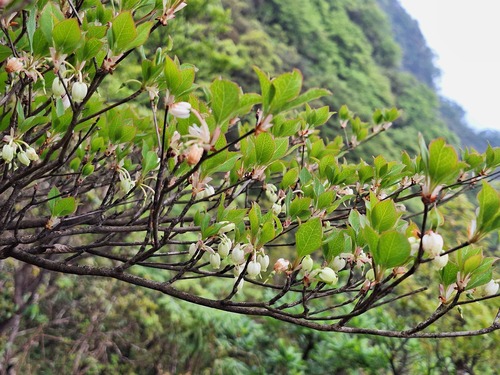
Enkianthus is a genus of about ten to fifteen deciduous, and a few evergreen, shrubs and small trees in the family Ericaceae, native to eastern Asia and the Himalayas. The species most often grown in gardens, E. campanulatus, reaches 8 to 15 ft (2.4 to 4.5 m) with a narrow, upright outline and branches held in horizontal tiers. The small leaves cluster at the branch tips and turn vivid shades of yellow, orange, and red in autumn. In late spring the plants hang with clusters of small, bell- or urn-shaped flowers in cream, pale yellow, or pink, often veined with deeper red, similar in form to those of related blueberries and heaths. As members of the heath family, all species need acid, humus-rich soil and fail on chalky ground. They are grown mainly for the spring flowers and autumn colour, but growth is slow and plants take years to reach full size.
Native Range
Native to eastern Asia and the eastern Himalayas, with species in Japan, China, Taiwan, and the Himalayan region, where they grow in mountain woodland and on acidic, humus-rich slopes.Suggested Uses
Grown as a specimen or in shrub borders, woodland gardens, and acid-soil plantings alongside rhododendrons, azaleas, and pieris. The tiered form and autumn colour also suit Japanese-style gardens. Compact selections are used in large containers of acidic mix.How to Identify
Appearance
Size & Dimensions
Height8' - 15'
Width/Spread5' - 8'
Bloom Information
Flowering occurs in late spring, around May to June, as or just after the new leaves expand. The pendulous bell-shaped flowers last two to three weeks. Autumn brings a second season of interest as the leaves colour before falling.
Detailed Descriptions
Flower Description
Cream to pink, red-veinedFoliage Description
Green, red and orange in autumnGrowing Conditions
Sun Requirements
Requires 4-8 hours of direct sunlight daily
• Full Sun: 6+ hours of direct sunlight
• Partial Shade: 3-6 hours of direct sunlight
• Full Shade: Less than 3 hours of direct sunlight
Care & Maintenance
Care Guide
Enkianthus needs moist, well-drained, acidic soil rich in organic matter, at a low pH from about 4.5 to 6.0, and will not thrive on alkaline or chalky ground. It grows in full sun to part shade, with the strongest autumn colour in sun and some shelter from drying wind. Like rhododendrons, it has shallow, fibrous roots that benefit from a cool mulch of leaf mould or bark. Watering in dry spells is needed, as the roots do not tolerate drought. The plants are hardy to about USDA zone 5. Little feeding is required beyond an acidic, slow-release fertiliser in spring.Pruning
Little pruning is needed because the tiered branching forms naturally. Any shaping is done right after flowering, removing crossing or wayward stems. Old, congested shrubs can be thinned to open the framework.Container Growing
Suitable for container growing
Minimum container size: 7 gallons