Image 1 of 3
1 / 3
Plant Reference
Enkianthus, Genus, serrulatus, Species,
- Genus & species
white bell enkianthus
Central and southern China — Yunnan, Sichuan, and Guizhou provinces; montane forests at middle to upper elevations on acidic substrates
Overview
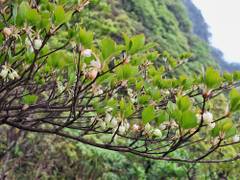
Enkianthus serrulatus is an upright deciduous shrub in the heath family Ericaceae growing 6–10 feet (1.8–3 m) tall and 5–8 feet (1.5–2.4 m) wide from a slowly expanding woody crown that produces tiered horizontal branches at regular intervals along the main stems. The specific epithet serrulatus is Latin for finely toothed and refers to the finely serrate (small-toothed) margins of the leaves that distinguish the species from the entire-margined leaves of the closely related Enkianthus perulatus and from the more coarsely toothed leaves of Enkianthus campanulatus. Leaves are pale green on emergence in spring, maturing to mid to dark green through summer, 1.5–3 inches (4–7 cm) long, elliptic to obovate in outline, and clustered in whorled pseudowhorls at the branch tips where the leaf tufts catch the filtered light that falls through the tiered canopy architecture. The tiered horizontal branching habit is one of the main ornamental characters of the species and creates a layered canopy silhouette that is visible year-round — the branches emerge from the main stems at wide angles and extend horizontally for 1–3 feet before tapering to the leaf-bearing tips, and the repeated tiers stack on top of one another along the height of the shrub to produce a pagoda-like layered outline. White to pale cream urceolate (urn-shaped to bell-shaped) pendulous flowers 0.3–0.4 inch (8–10 mm) long open in drooping clusters of 5–12 at the branch tips in April and May across a 2–3 week bloom period, and the flowers hang below the branches on thin pedicels like small porcelain bells, opening before or with the emerging new leaves. Fall color ranges through orange to deep red across the full canopy and is one of the main reasons gardeners seek out the species for autumn color in the ericaceous border, and the color develops reliably across most years because the species holds its foliage late into the fall before dropping. Native to central and southern China in Yunnan, Sichuan, and Guizhou provinces, growing in montane forests at middle to upper elevations on acidic substrates where the soil chemistry and the forest canopy filter combine to supply the growing conditions the species calls for. Limitation: the species calls for strictly acidic soil with a pH of 4.5–6.0 and develops chlorosis and decline in alkaline or neutral soils — this narrow pH window is the main cultural limitation and restricts garden use to sites with naturally acidic soil or to positions where acid soil can be maintained through peat-based planting and acid-forming mulch. The species is not drought-tolerant and calls for consistent moisture through the growing season, and the slow growth rate (5–7 years to reach full flowering size) combined with the uncommon presence in the nursery trade means the species is typically sourced from specialty shrub nurseries rather than general garden centers. Deer browse the foliage. Toxicity to pets and humans is unknown and unstudied in this specific species, and other Enkianthus species are not known to be significantly toxic.
Native Range
Native to central and southern China in the provinces of Yunnan, Sichuan, and Guizhou, growing in montane forest habitats at middle to upper elevations on acidic substrates within the mixed broadleaf and evergreen forest zones of the eastern Himalayan foothills and the Yunnan-Guizhou Plateau. The species was introduced to western horticulture through plant-hunting expeditions to southwestern China during the late 19th and early 20th centuries alongside a wide range of other Chinese shrubs in the family Ericaceae, and the species remains uncommon in cultivation compared to the more widely grown Enkianthus campanulatus.Suggested Uses
Used as a specimen shrub in woodland gardens, mixed acidic shrub borders, and ericaceous plantings alongside Rhododendron, Kalmia, Pieris, Vaccinium, and other acid-loving shrubs at 5–8 foot (1.5–2.4 m) spacing between plants. The tiered horizontal branching silhouette, the hanging white bell flowers in spring, and the orange to deep red fall color combine to carry the species through three distinct seasons of ornamental interest in the ericaceous garden design, and the slow growth and compact mature size suit the species to smaller shade borders where a long-lived specimen shrub is wanted. Gardens with alkaline or neutral soils are unsuitable because of the narrow acidic pH requirement, and gardens that call for rapid establishment and large size within a few years are unsuitable because of the slow growth rate (5–7 years to reach full flowering size).How to Identify
Appearance
Size & Dimensions
Height6' - 10'
Width/Spread5' - 8'
Bloom Information
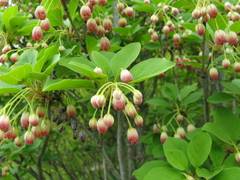
White to pale cream urceolate (urn-shaped to bell-shaped) pendulous flowers 0.3–0.4 inch (8–10 mm) long open in drooping clusters of 5–12 at the branch tips in April and May across a 2–3 week bloom period, and the flowers hang below the branches on thin pedicels like small porcelain bells that sway in spring breezes. Honeybees and native solitary bees work the flowers for nectar during the spring bloom window, and the flowers are among the earliest bell-flowered shrubs in the ericaceous border each year. Flowers open before or with the emerging new leaves, and the display of hanging white bells against the tiered bare or newly-leafing branches is the main ornamental feature of the species during the spring bloom period.
Detailed Descriptions
Flower Description
white to pale cream urceolate (urn-shaped to bell-shaped) pendulous flowers 0.3-0.4 inch (8-10 mm) long carried in drooping clusters of 5-12 at the branch tips; the flowers open before or with the emerging leaves in mid to late springFoliage Description
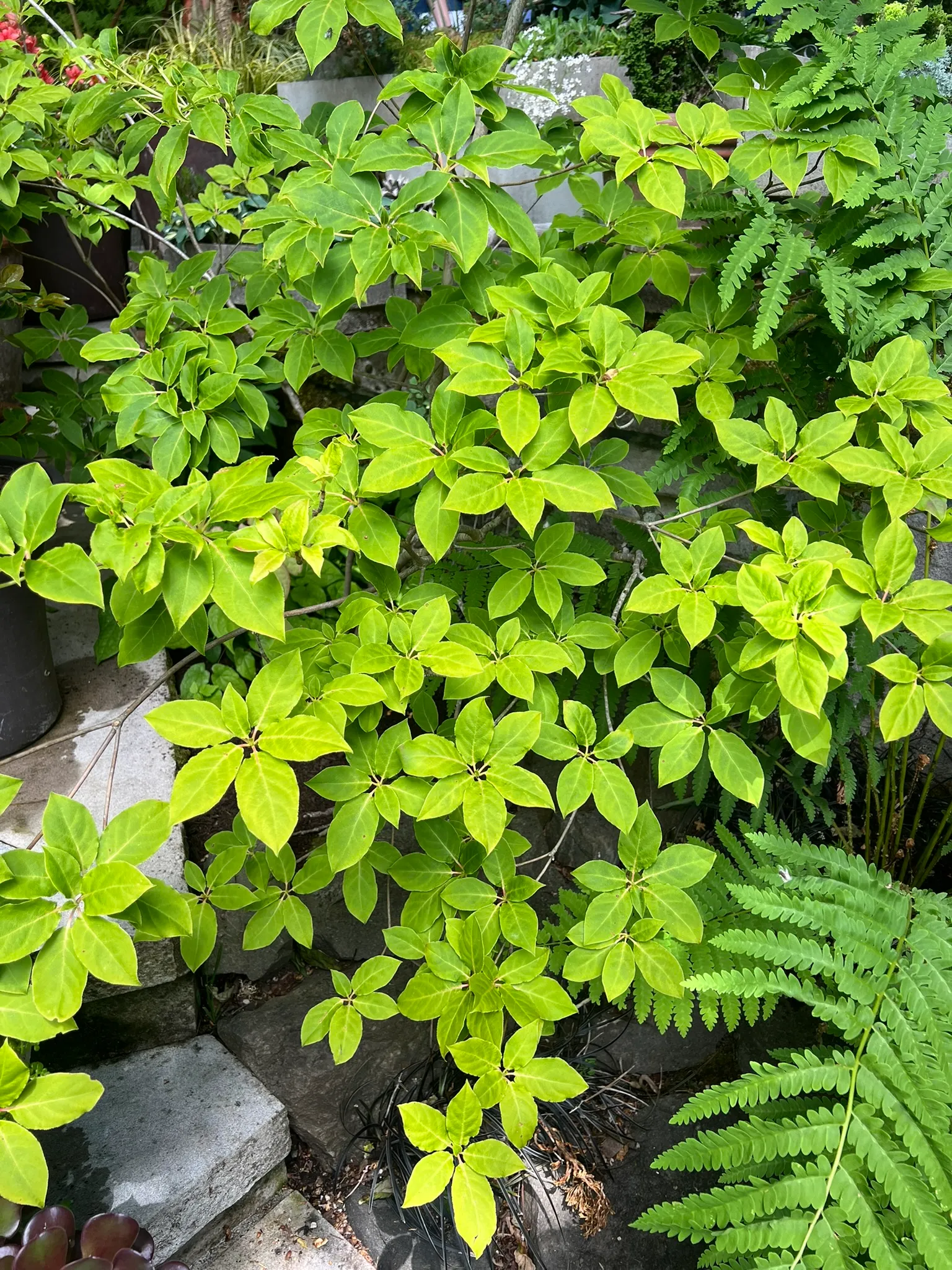
pale green on emergence in spring, maturing to mid to dark green through summer, 1.5-3 inches (4-7 cm) long, elliptic to obovate in outline with finely serrate (finely toothed) margins that are the source of the specific epithet serrulatus; leaves are clustered in whorled pseudowhorls at the branch tips; fall color ranges through orange to deep red across the full canopyGrowing Conditions
Sun Requirements
Requires 4-8 hours of direct sunlight daily
• Full Sun: 6+ hours of direct sunlight
• Partial Shade: 3-6 hours of direct sunlight
• Full Shade: Less than 3 hours of direct sunlight
Care & Maintenance
Care Guide
Site in part sun to full sun with 4–8 hours of direct sun per day in moist well-drained acidic soil with a pH of 4.5–6.0, typically the edge of a mixed shrub border where morning sun with afternoon shade suits the species in warm climates and full sun positions are acceptable in cool maritime climates. The species calls for strictly acidic soil and develops chlorosis and decline in alkaline or neutral soils, so planting positions in gardens with naturally high-pH soil call for amendment with peat, composted pine bark, and acid-forming mulch to bring the soil pH into the 4.5–6.0 range at the planting hole and across the root zone. The species is not drought-tolerant and calls for consistent moisture through the growing season, and supplemental irrigation during dry periods supports foliage health and bloom production for the following spring. Growth is slow and the shrub takes 5–7 years to reach full flowering size from a young nursery plant. Pruning is done immediately after flowering in May or June because the next year's flower buds form on the current season's new growth, and later-season pruning removes the developing buds and reduces the following year's bloom. Deer browse the young foliage. Hardy in USDA zones 5–8.Pruning
Pruning is done immediately after flowering (May or June) because the next year's flower buds form on the current season's new growth and later-season cuts remove the developing buds and reduce the following year's bloom. Crossing, dead, or damaged branches are removed at the branch collar during the post-bloom window, and the natural tiered horizontal branching form calls for only light shaping cuts rather than hard rejuvenation pruning because the layered canopy silhouette is the main ornamental feature and hard cuts disrupt the tiered outline that takes many years to redevelop.Pruning Schedule
Prune: May–June
late spring