Image 1 of 11
1 / 11
Plant Reference
Enkianthus, Genus, campanulatus, Species,
- Genus & species
enkianthus
Japan (Honshu to Kyushu) and parts of China; mountain forests
Overview
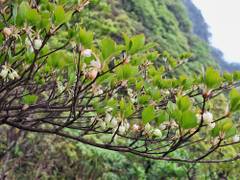
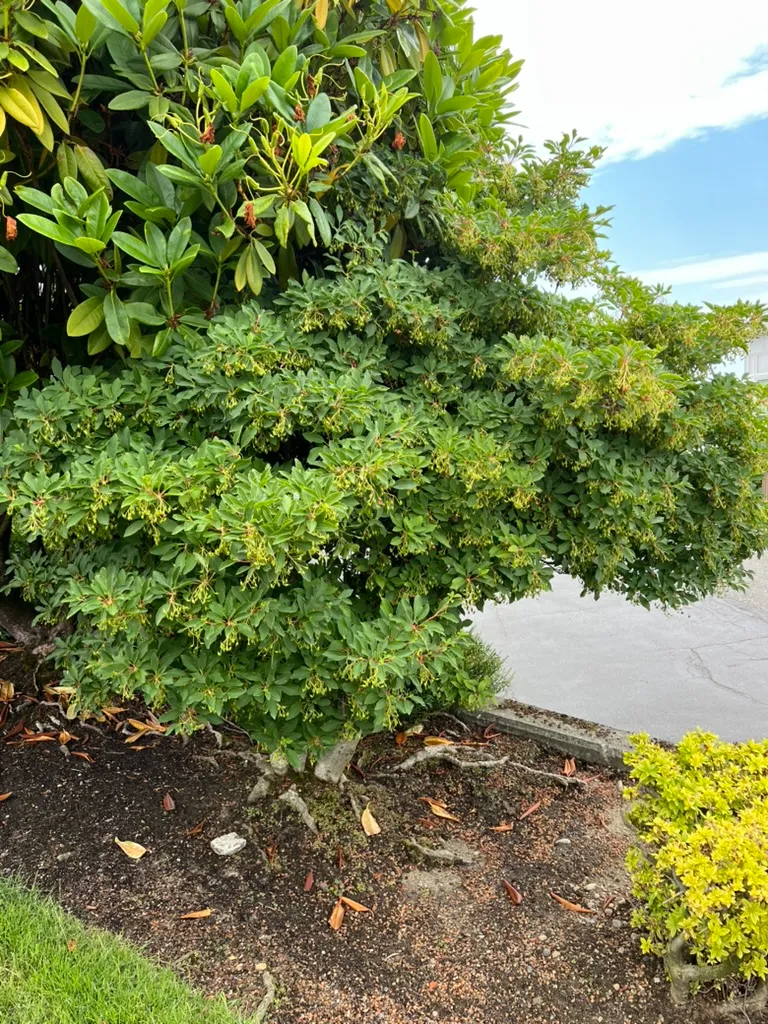
Enkianthus campanulatus is redvein enkianthus, an upright deciduous shrub growing 8-15 feet (2.4-4.5 m) tall and 6-10 feet (1.8-3 m) wide with layered horizontal branching. Cream to pale pink bell-shaped flowers 0.3-0.5 inch (8-13 mm) with red veining in pendant clusters of 5-12 at branch tips in May. Medium green elliptical finely serrated leaves 1-3 inches (2.5-7 cm) in whorls at branch tips. Turns yellow, orange, red, and scarlet in fall — the layered branching displays the fall color in tiers. In Ericaceae (the heath family). Native to Japan and China. Requires acidic soil (pH 4.5-5.5) — iron chlorosis in alkaline conditions. Companion plant to rhododendrons and azaleas (same soil requirements). Slow-growing — the slow growth rate is the primary limitation. The bloom period is short (2 weeks). Not drought-tolerant. The layered horizontal branching develops with age and is visible in all seasons. Deer-resistant. Non-toxic. Zones 4-8. Part shade to morning sun. Growth rate is slow.
Native Range
Native to Japan (Honshu to Kyushu) and parts of China. Found in mountain forests.Suggested Uses
Grown as a specimen shrub, woodland garden component, and companion to rhododendrons and azaleas, spaced 6-10 feet (1.8-3 m). Also in containers of at least 10 gallons (38 L). Pendant spring flowers. Multi-color fall foliage. Layered branching. Requires acidic soil. Deer-resistant. Non-toxic. Zones 4-8.How to Identify
Appearance
Size & Dimensions
Height8' - 15'
Width/Spread6' - 10'
Bloom Information
Mid to late spring (May). Cream to pale pink bell-shaped flowers 0.3-0.5 inch (8-13 mm) with red veining in pendant clusters of 5-12. 2 weeks of bloom. Bee-pollinated.
Detailed Descriptions
Flower Description
Cream to pale pink with red veining, bell-shaped (campanulate), 0.3-0.5 inch (8-13 mm), in pendant clusters of 5-12 at branch tipsFoliage Description
Medium green, elliptical, finely serrated, 1-3 inches (2.5-7 cm) long, clustered in whorls at branch tips; turns yellow, orange, red, and scarlet in fall — the layered horizontal branching displays the fall color in tiersGrowing Conditions
Sun Requirements
Requires 4-6 hours of direct sunlight daily
• Full Sun: 6+ hours of direct sunlight
• Partial Shade: 3-6 hours of direct sunlight
• Full Shade: Less than 3 hours of direct sunlight
Care & Maintenance
Care Guide
Part shade to morning sun (4-6 hours). Acidic well-drained soil pH 4.5-5.5 — iron chlorosis in alkaline conditions. Same soil requirements as rhododendrons. Not drought-tolerant. Blooms on old wood — prune after flowering (June-July) if needed. Slow-growing. Deer-resistant. Non-toxic. Zones 4-8.Pruning
Prune after flowering (June-July) if shaping is needed — blooms on old wood. The layered horizontal branching is the natural form — do not alter. Remove dead or crossing branches. Minimal pruning needed.Pruning Schedule
Prune: June–July
summer
Container Growing
Suitable for container growing
Minimum container size: 10 gallons