Echium, Genus, wildpretii, Species,
- Genus & species
tower of jewels
Canary Islands (Mount Teide on Tenerife and neighboring La Palma); subalpine scrub zone above 6,500 feet (2,000 m) on volcanic pumice and rocky substrate; protected in its native range
Overview
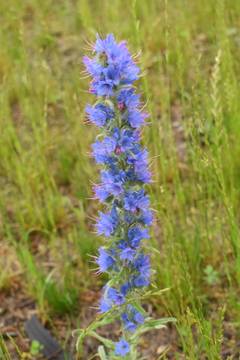
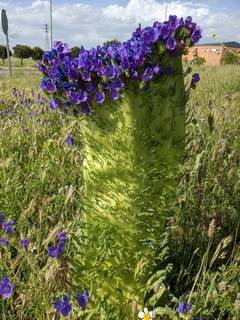
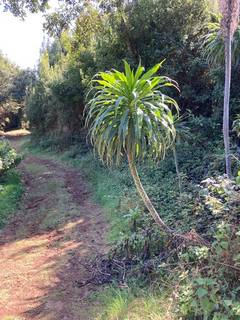
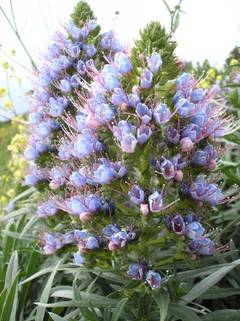
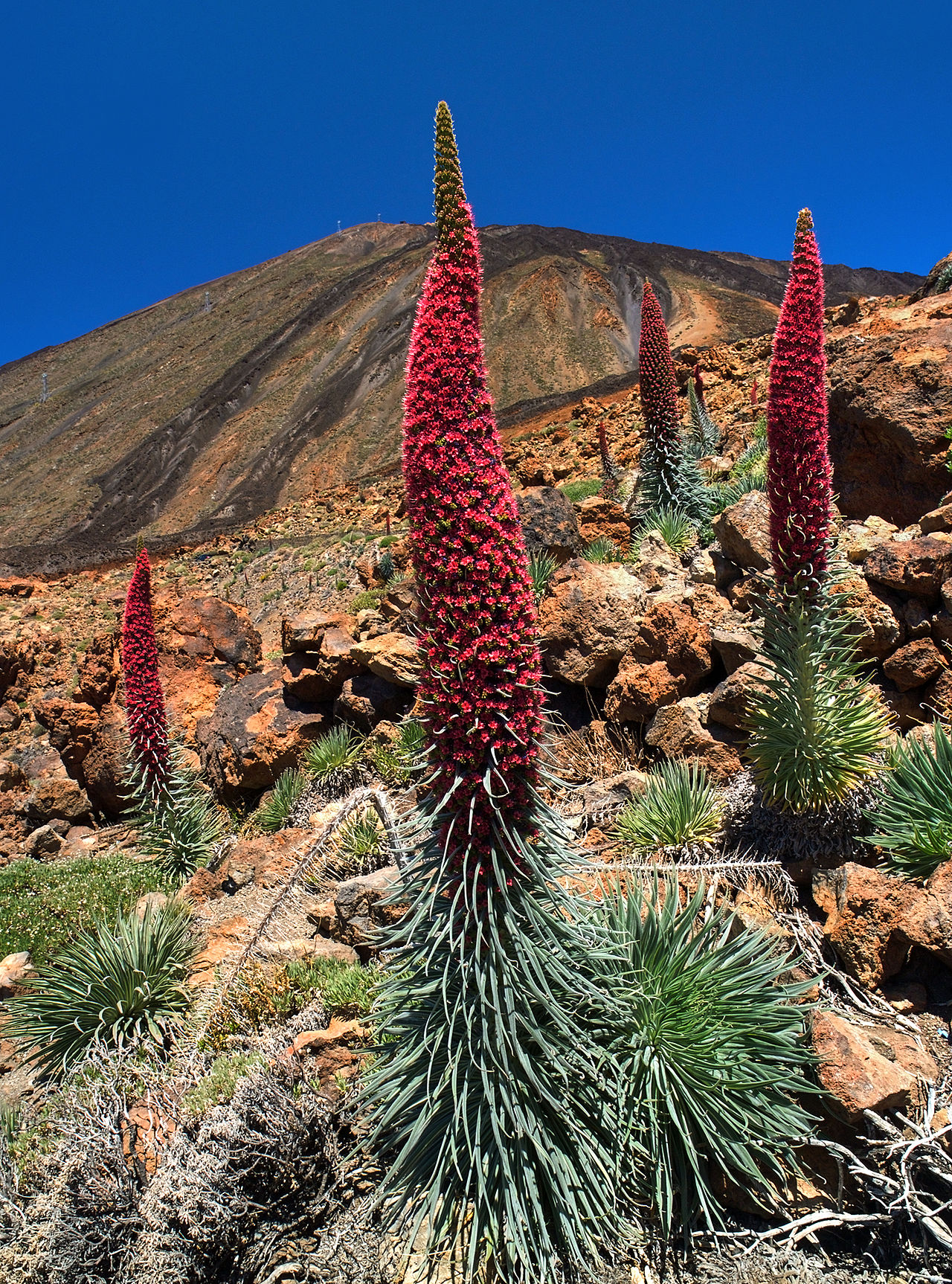
Echium wildpretii is a monocarpic biennial in the borage family (Boraginaceae), native to the subalpine zone of Mount Teide on Tenerife in the Canary Islands at 6,500–10,000 feet (2,000–3,000 m). In the first year, the plant forms a low rosette 12–18 inches (30–45 cm) across of narrow lance-shaped leaves densely covered in white bristly hairs that produce a silver-gray surface. In the second year, a single flower spike rises 6–10 feet (1.8–3 m), densely clothed in small funnel-shaped flowers 0.5 inch (1.3 cm) long in coral red to bright red-pink, each with protruding stamens; the spike carries thousands of individual florets and opens from the base upward over 4–8 weeks. The plant sets abundant seed and dies after flowering (monocarpic life cycle). Hardy to approximately 22°F (−6°C) once established; suited to USDA zones 9–11 in the ground, or grown in containers and overwintered frost-free in colder climates. Sharp drainage and full sun are required; rich or moist soil causes crown rot before flowering. Contact with the bristly hairs causes skin irritation and dermatitis on some gardeners, so the plant is sited where casual contact is unlikely.
Native Range
Echium wildpretii is endemic to Mount Teide on Tenerife and the neighboring island of La Palma in the Canary Islands, growing in volcanic pumice and rocky substrate in the subalpine scrub zone above 6,500 feet (2,000 m). The species is protected in its native range.Suggested Uses
Grown as a specimen plant in Mediterranean-style gardens, gravel gardens, dry borders, and xeriscape plantings in USDA zones 9–11, where the second-year flowering spike supplies a single-season vertical accent few other biennials match. Container culture in 10-gallon (38 L) or larger pots suits colder climates; a free-draining potting mix and frost-free overwintering at 35–45°F (2–7°C) carry the rosette through to the flowering year. The species needs open unobstructed space — 3 feet (90 cm) clearance around the plant supports the full spike and avoids casual skin contact with the bristly rosette foliage.How to Identify
Appearance
Size & Dimensions
Height6' - 10'
Width/Spread2' - 3'
Bloom Information
Flowers late spring to early summer — May through July in Mediterranean and mild coastal climates. The full spike carries open florets over 4–8 weeks as the bloom front moves from base to tip. Seed capsules ripen and release seed approximately 4–6 weeks after bloom ends. The plant dies after seed set (monocarpic).
Detailed Descriptions
Flower Description
Coral red to bright red-pink; small funnel-shaped 0.5 inch (1.3 cm) long with protruding stamens; thousands of florets packed onto a single spike; bloom moves from base to tip over 4–8 weeksFoliage Description
Silver-gray on both surfaces (from dense white bristly hair cover); narrow lance-shaped 3–8 inches (8–20 cm) long in a rosette in year 1Growing Conditions
Sun Requirements
Requires 8-12 hours of direct sunlight daily
• Full Sun: 6+ hours of direct sunlight
• Partial Shade: 3-6 hours of direct sunlight
• Full Shade: Less than 3 hours of direct sunlight
Care & Maintenance
Care Guide
Grow in full sun in very lean sharply drained alkaline to neutral soil — volcanic grit, gravel, or sandy substrate matches the native subalpine conditions. Rich or moist soil causes stem rot and plant death before flowering occurs. In USDA zones 9–11, sow seed in fall or early spring; seedlings tolerate light frost once established. In zones 7–8, start seed indoors and grow on in containers, overwintering the first-year rosette under glass at 35–45°F (2–7°C) before planting out in spring. Water sparingly — established plants carry high drought tolerance. Gloves and long sleeves reduce skin contact with the bristly hairs during handling, weeding around the rosette, or cutting the spent spike. Staking is not used; the spike is self-supporting in well-drained soil where the taproot has firm anchorage.Pruning
Pruning is not used during the growing phase. After flowering ends and seed set begins, seed capsules ripen and split approximately 4–6 weeks after the last florets fade; the spent spike is cut to the ground once seed release is complete. Seed can be collected for future sowings or allowed to fall in place; germination is reliable in well-drained warm soil.Pruning Schedule
Prune: July–August
summer
Container Growing
Suitable for container growing
Minimum container size: 10 gallons