Echium, Genus, plantagineum, Species,
- Genus & species
purple viper's-bugloss
Mediterranean Europe and North Africa
SunFull Sun
Overview
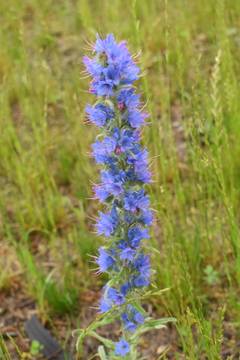
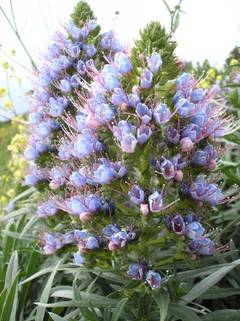
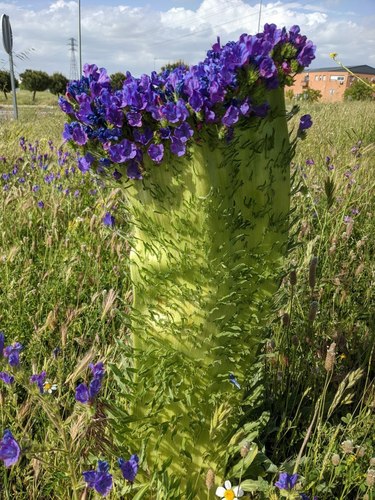
Echium plantagineum is an annual or biennial in the borage family, forming a basal rosette in its first season then sending up branched, bristly stems 8–24 inches (20–60 cm) tall. The soft, hairy leaves are oval at the base and narrower up the stem, with prominent side veins. From spring to summer it produces curved one-sided sprays of funnel-shaped flowers about 0.6–1.2 inches (15–30 mm) long, opening purple-blue from pink-purple buds, each with four or five protruding stamens. A single plant can set thousands of seeds, which build a long-lived soil seed bank. It grows in pastures, roadsides, sandy fields, and disturbed open ground on dry, well-drained soils. All parts contain pyrrolizidine alkaloids that are toxic to grazing livestock, causing cumulative liver damage, and the plant is a serious agricultural weed in Australia, where it is known as Paterson's curse. The plant dies after flowering and setting seed.
Native Range
Native to the Mediterranean region of southern Europe and North Africa, and naturalized widely in Australia, South Africa, and parts of the Americas. It grows in dry pastures, roadsides, sandy fields, and disturbed ground.Suggested Uses
Grown in some Mediterranean and dryland gardens for its long season of purple-blue flowers, where it is legal. Used by beekeepers as a nectar and pollen source on poor soils. Its planting is restricted or banned in many regions because of its weediness and toxicity to livestock.How to Identify
Appearance
Size & Dimensions
Height8" - 2'
Width/Spread8" - 1'4"
Bloom Information
Blooms from spring through summer, mainly September to December in the southern hemisphere and April to July in the north. The coiled sprays unroll to open flowers in succession over many weeks. Heavy seed set follows and feeds a persistent soil seed bank.
Detailed Descriptions
Flower Description
purple-blue, pink in budFoliage Description
greenGrowing Conditions
Sun Requirements
Requires 6-10 hours of direct sunlight daily
• Full Sun: 6+ hours of direct sunlight
• Partial Shade: 3-6 hours of direct sunlight
• Full Shade: Less than 3 hours of direct sunlight
Water & Climate
Water Needs
Drought Tolerance
Drought tolerant when established
Care & Maintenance
Care Guide
Grows in full sun on dry, well-drained soils with a pH of 6.0–8.0, including poor, sandy, and stony ground. It tolerates drought and poor fertility and grows fastest on disturbed bare soil. No feeding or watering is needed. Because it sets vast amounts of seed and is toxic to stock, its sale and planting are restricted or prohibited in many regions. Plants are pulled or cut before seed sets to limit spread. It completes its life cycle in one or two years and relies entirely on seed to persist.Pruning
Plants are cut or pulled before the flowers set seed to limit the soil seed bank. Removed plants are bagged rather than composted, as seed ripens on cut stems. Repeated removal over several seasons is needed because buried seed stays viable for years.Toxicity Warning
Toxic to pets and humansPlanting Guide
Planting Methods & Timing
Planting Method
direct sow
Direct Sow Timing
Autumn or early spring where permitted
Plant Spacing
12 inches