Diospyros, Genus, lotus, Species,
- Genus & species
date plum
SE Europe to W China (Balkans, Middle East, Central Asia, Caucasus)
Overview
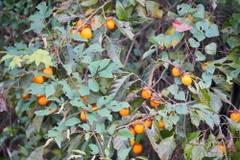
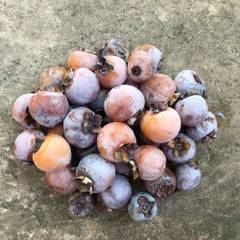
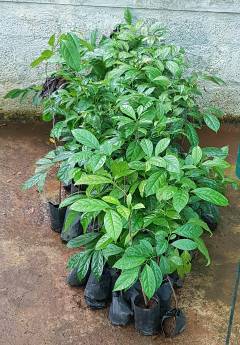
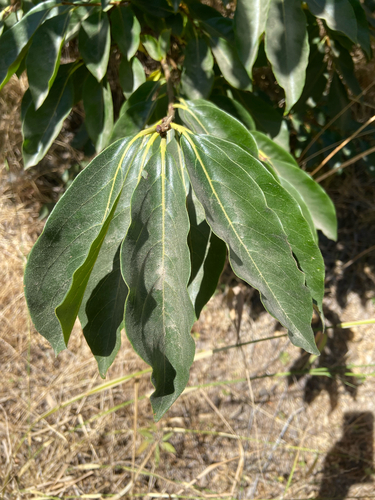
Diospyros lotus is an upright to rounded, deciduous tree reaching 30–50 feet (9–15 m) tall with a spread of 25–35 feet (7.5–10.5 m). The Eurasian species occupies two roles in horticulture: a cold-hardy rootstock onto which the tender D. kaki is grafted to extend commercial persimmon cultivation into colder zones, and an ornamental shade tree in its own right. The fruit is small, 0.5–0.75 inch (1–2 cm) across, round, ripening from yellow-green through orange-yellow to blue-black or dark purple when fully soft-ripe in October–November—the ripe fruit is edible with a date-like sweetness (hence the common name 'date plum'), though it remains astringent with high tannin content until soft-ripe. Leaves are oblong-elliptic, 3–5 inches (8–13 cm) long, glossy dark green above, paler beneath, turning yellow to orange in fall. Small, inconspicuous, greenish-yellow flowers open in May–June; the species is dioecious, so both male and female trees are required for fruit set. The bark is gray and develops a blocky, alligator-hide fissured pattern with age. Growth rate is moderate. Cold hardiness reaches zone 5 (−20°F / −29°C)—reliably hardier than D. kaki, which limits at zone 7. The species tolerates poorer soils, drought, and urban conditions more readily than the Japanese persimmon, which is why it anchors cold-zone persimmon grafting programs. The genus Diospyros is the ebony family, and the wood of mature D. lotus trunks is dark, dense, and hard.
Native Range
Diospyros lotus is native across a broad Eurasian range, from southeastern Europe (the Balkans) through the Caucasus, Iran, the Middle East, and Central Asia east to western China. The species grows in dry deciduous woodlands, rocky hillsides, and riverbank margins at elevations from sea level to 6,000 feet (1,800 m). Archaeological evidence from Azerbaijan and northern Iran records use of the fruit for more than 2,000 years, and the species was likely introduced to Western Europe through Roman-era trade routes.Suggested Uses
Planted as a shade tree, specimen tree, or commercial rootstock at 25–30 foot (7.5–9 m) spacing from structures and neighboring trees. The combination of cold hardiness, drought tolerance, soil adaptability, and the blocky alligator-hide bark matches the species to tough urban sites where persimmon cultivation would otherwise require D. virginiana or a grafted D. kaki on D. lotus rootstock. The yellow-orange fall color and persistent dark fruit on bare branches add multi-season value beyond the shade-tree function. The small edible fruit is useful to foragers and home-orchard growers where a traditional large persimmon is not required. Sites where fallen fruit would be a problem on paved surfaces and gardens where only large-fruited persimmons are wanted are poor fits for the species.How to Identify
Appearance
Size & Dimensions
Height30' - 50'
Width/Spread25' - 35'
Bloom Information
Small, inconspicuous, greenish-yellow flowers open in May–June. The species is dioecious with male and female flowers on separate trees. The small round fruit 0.5–0.75 inch (1–2 cm) ripens to blue-black or dark purple in October–November on female trees where a male pollinator is present within 100–200 feet (30–60 m). Fruit often persists into winter and supports overwintering birds and mammals.
Detailed Descriptions
Flower Description
Greenish-yellow, small, inconspicuous; blue-black fruitFoliage Description
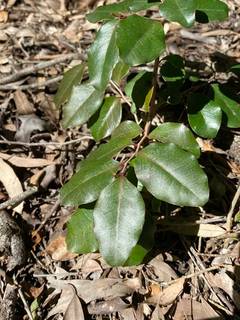
Glossy dark green above, paler beneath; oblong-ellipticGrowing Conditions
Sun Requirements
Requires 6-10 hours of direct sunlight daily
• Full Sun: 6+ hours of direct sunlight
• Partial Shade: 3-6 hours of direct sunlight
• Full Shade: Less than 3 hours of direct sunlight
Care & Maintenance
Care Guide
Plant in full sun in well-drained soil. The species tolerates a wide range of soils including clay, chalk, limestone, and poor rocky substrates—the range of tolerance exceeds that of D. kaki and matches the species' broad Eurasian native distribution across diverse substrates. Drought-tolerant once established (3–5 years). Cold hardiness reaches zone 5 (−20°F / −29°C), giving the species a 2-zone advantage over D. kaki. The dioecious sexuality requires both male and female trees for fruit set; a single tree of one sex produces flowers but no fruit. The species is the commercial cold-hardy rootstock onto which D. kaki cultivars are grafted for persimmon production in zones 5–6, where the tender Japanese species cannot be grown on its own roots. Minimal pest and disease problems. The wood is dense and hard, reflecting the species' membership in the ebony family (Ebenaceae).Pruning
Pruning is done in late winter (February) while dormant. Young trees are trained to a central leader for the first 4–6 years. Crossing branches and dead wood are removed. Mature trees require minimal pruning beyond dead-wood removal. The dense, hard wood resists decay and withstands wind loads well, which reduces structural pruning needs compared with softer-wooded ornamental trees.Pruning Schedule
Prune: February
winter