Diospyros, Genus, spp., Multiple species,
- Genus
- Multiple species
persimmons
Tropical and temperate Asia, Africa, and the Americas
Overview
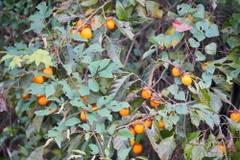
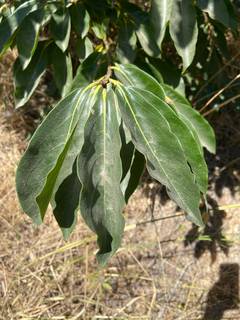
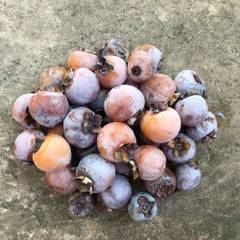
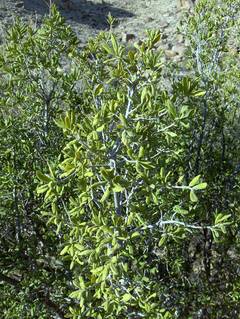
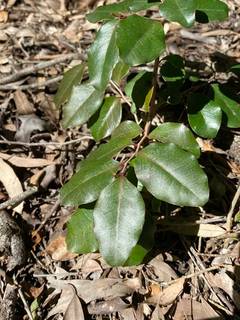
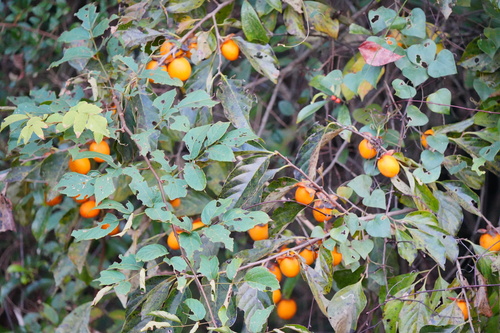
Diospyros is a large genus of about 700 species of deciduous and evergreen trees and shrubs in the ebony family, found mainly in the tropics with some temperate species. Cultivated persimmons are small to medium trees, typically 15-60 feet (4.5-18 m) tall, with a rounded, spreading crown and, in some species, dark, blocky bark. Leaves are alternate, simple, oval to oblong, 2-8 inches (5-20 cm) long, glossy dark green, turning yellow, orange, or red in autumn in the deciduous species. Plants are usually dioecious, with male and female flowers on separate trees; the small, bell-shaped, cream to greenish-yellow flowers open in late spring and are easy to overlook. Female trees bear round to acorn-shaped berries 0.5-3 inches (1-8 cm) across that ripen yellow, orange, or purple-brown and persist after the leaves drop. The fruit of D. kaki and D. virginiana is eaten fresh or dried, astringent with tannins until fully ripe. Several species, including D. ebenum, yield the dense black heartwood called ebony. Trees are slow-growing and long-lived, with deep taproots that make transplanting of older plants difficult. Fallen fruit can be messy on paving.
Native Range
The genus Diospyros is found mainly in tropical and subtropical regions of Asia, Africa, and the Americas, with a smaller number of temperate species. D. virginiana is native to the eastern and central United States, D. kaki to China and East Asia, and D. lotus to southwestern Asia. Plants grow in forests, woodland, and savanna, from lowland tropics to temperate river valleys and old fields.Suggested Uses
Grown as fruit trees, shade trees, and ornamental specimens for autumn foliage and persistent fruit, spaced 15-25 feet (4.5-7.6 m) apart. D. kaki and D. virginiana are grown in orchards and gardens for edible fruit, while ebony species are grown in the tropics for timber. The persistent winter fruit also draws birds and other wildlife.How to Identify
Appearance
Size & Dimensions
Height15' - 60'
Width/Spread15' - 40'
Bloom Information
Flowers in late spring, generally May to June, after the leaves expand. The small bell-shaped flowers are cream to greenish-yellow and are partly hidden by the foliage. Most species are dioecious, so a female tree needs a nearby male, or a self-fruitful cultivar, to set fruit, though some persimmons fruit without pollination. The fruit ripens in autumn and often hangs on the bare branches into winter.
Detailed Descriptions
Flower Description
cream to greenish-yellowFoliage Description
glossy dark green, autumn yellow to red in deciduous speciesGrowing Conditions
Sun Requirements
Requires 6-10 hours of direct sunlight daily
• Full Sun: 6+ hours of direct sunlight
• Partial Shade: 3-6 hours of direct sunlight
• Full Shade: Less than 3 hours of direct sunlight
Care & Maintenance
Care Guide
Grows in full sun to part shade in deep, fertile, well-drained soil, tolerating a range of soils once established; D. virginiana also handles poor, dry ground. Young trees are watered through dry spells until rooted, after which they are fairly drought-tolerant. The deep taproot makes container-grown or young trees the practical choice for planting, as older trees move poorly. Little pruning or feeding is needed in reasonable soil. Few serious pests affect persimmons, though scale, mealybugs, and fruit-feeding insects occur. Fruit drop and ripe fruit can stain paving and draw wasps and wildlife in autumn.Pruning
Prune in late winter while dormant to remove dead, crossing, or crowded branches and to build a strong framework on young trees. Persimmons fruit on new growth, so light annual thinning maintains fruiting wood and air flow. Heavy cutting is avoided, as large wounds heal slowly. Suckers from the rootstock of grafted trees are removed as they appear.Container Growing
Suitable for container growing
Minimum container size: 15 gallons