Delphinium, Genus, elatum, Species,
- Genus & species
Candle larkspur
Central and southern Europe, Caucasus, Siberia, Central Asia
Overview
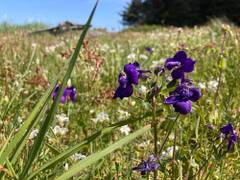
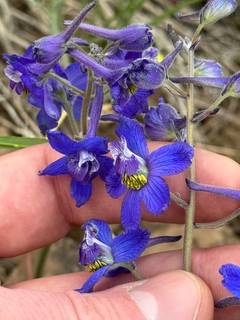
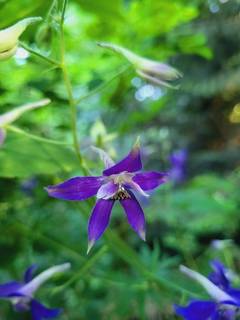
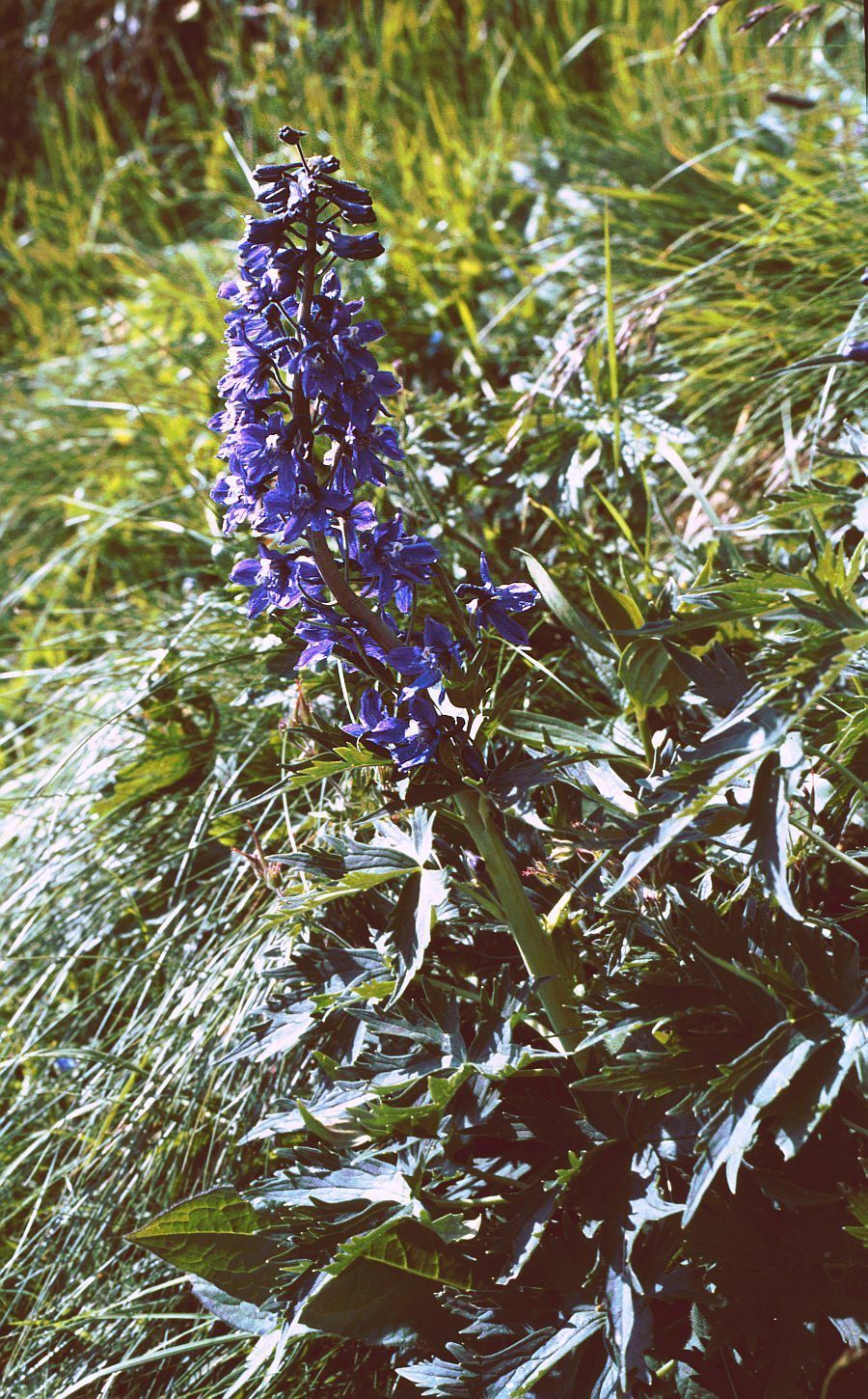
Delphinium elatum is an upright, clump-forming perennial in the buttercup family (Ranunculaceae), reaching 4–6 feet (1.2–1.8 m) tall and 2–3 feet (60–90 cm) wide. Leaves are palmately divided into 5–7 toothed lobes, 4–8 inches (10–20 cm) across, and decrease in size up the stem. Unbranched flowering spikes 12–24 inches (30–60 cm) long carry densely packed flowers 1–2 inches (2.5–5 cm) across, each with five petal-like sepals and a backward-pointing spur. Flowers are blue to violet in the species, with a central cluster of petals called a bee, and open from June to July. Plants grow from a woody crown with fleshy roots and live 3–5 years in most gardens. Hollow stems break in wind and heavy rain without staking. Slugs, powdery mildew, and crown rot occur in wet or humid conditions. All parts of the plant contain diterpenoid alkaloids and are toxic if ingested by humans, pets, and livestock, with the highest concentrations in young leaves and seeds.
Native Range
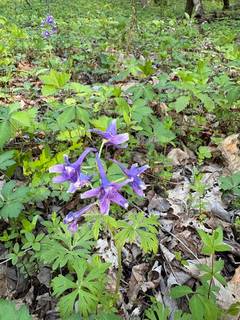
Delphinium elatum is native to the mountains of central and southern Europe, including the Alps and Pyrenees, and extends east through the Caucasus and Siberia to Central Asia. It grows in moist alpine meadows, forest clearings, and stream margins at elevations of 1,500–6,500 feet (450–2,000 m).Suggested Uses
Used at the back of perennial borders and in cottage-style plantings, spaced 18–24 inches (45–60 cm) apart. Spikes are cut for arrangements, and bees visit open flowers in early summer. All parts are toxic, which limits use where children or grazing animals have access.How to Identify
Appearance
Size & Dimensions
Height4' - 6'
Width/Spread2' - 3'
Bloom Information
Flowers open from June to July in zones 3–7, beginning at the base of each spike and progressing upward over 2–3 weeks. Cutting spent spikes to the basal foliage within 2 weeks of finishing produces a second, shorter flush of shoots in late August to September.
Detailed Descriptions
Flower Description
Blue to violetFoliage Description
Mid-green, palmately lobedGrowing Conditions
Sun Requirements
Requires 6-10 hours of direct sunlight daily
• Full Sun: 6+ hours of direct sunlight
• Partial Shade: 3-6 hours of direct sunlight
• Full Shade: Less than 3 hours of direct sunlight
Care & Maintenance
Care Guide
Grows in full sun in deep, fertile, moist but well-drained soil with a pH of 6.5–7.5. Hardy in USDA zones 3–7, and plants decline in hot, humid summers above 85°F (29°C). Stems reaching 4 feet (1.2 m) or taller require staking before spikes form in May. Regular water at 1–1.5 inches (2.5–4 cm) per week supports spike development, and soil that stays wet in winter causes crown rot. Slugs feed on emerging shoots in spring, and powdery mildew appears on leaves in humid conditions with low air movement. Plants are divided or replaced every 3–4 years.Pruning
Spent flower spikes are cut to the basal foliage after bloom in July, which can prompt a second flush of smaller spikes 8–10 weeks later. Weak shoots are thinned to 3–5 per mature clump in April to reduce crowding and limit mildew. Foliage is cut to 2–3 inches (5–7.5 cm) above ground in late fall.Pruning Schedule
Prune: April, July & November
late springsummerfall