Dactylorhiza, Genus, spp., Multiple species,
- Genus
- Multiple species
marsh orchids
Europe, North Africa, temperate Asia, and North America
Overview
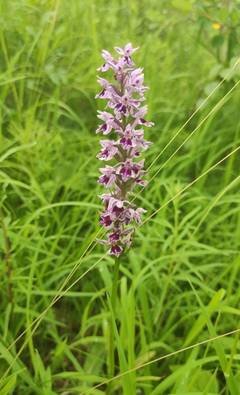
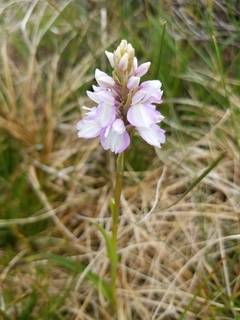
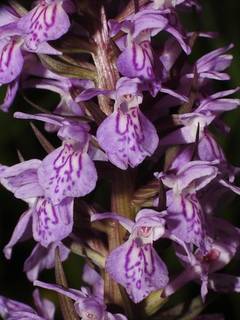
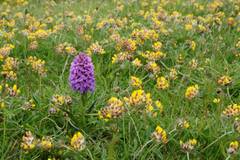
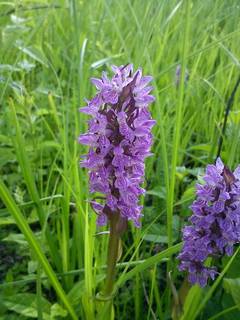
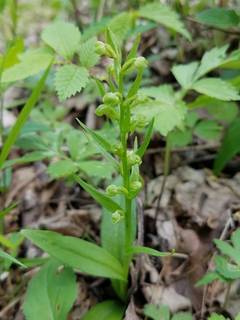
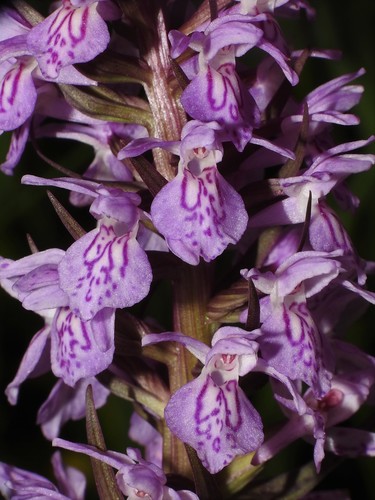
Dactylorhiza is a genus of about 75 species of terrestrial orchids in the family Orchidaceae, native to Europe, North Africa, temperate Asia, and parts of North America. Plants grow from finger-like, divided tubers, sending up leafy stems 6 to 36 inches (15 to 90 cm) tall in spring. The leaves are lance-shaped, sometimes marked with dark spots or blotches, and clasp the lower stem. Each stem ends in a dense cylindrical spike of many small flowers, usually in shades of pink, purple, magenta, or, less often, white or yellow, the lip three-lobed and patterned with darker dots and loops. The flowers are pollinated by bees and other insects despite carrying no nectar reward. Many species hybridize freely where they grow together, which makes identification difficult. D. maculata and D. fuchsii grow in grassland and open woodland, while D. majalis and related species occur in wet meadows, fens, and marshes. The genus needs damp, low-nutrient soils and a particular soil fungus to germinate, so it is hard to establish from seed in gardens.
Native Range
Native across Europe, North Africa, and temperate Asia, with a few species in North America. The genus is widespread through cool and temperate parts of the Northern Hemisphere.Suggested Uses
Grown in bog gardens, damp meadows, and naturalistic plantings where the soil stays moist and unfertilized. The spring flower spikes suit wildlife and pollinator gardens. Established clumps are divided in late summer to increase stock.How to Identify
Appearance
Size & Dimensions
Height6" - 3'
Width/Spread6" - 1'
Bloom Information
Detailed Descriptions
Flower Description
pink, purple, magenta, white, or yellowFoliage Description
green, often dark-spottedGrowing Conditions
Sun Requirements
Requires 4-8 hours of direct sunlight daily
• Full Sun: 6+ hours of direct sunlight
• Partial Shade: 3-6 hours of direct sunlight
• Full Shade: Less than 3 hours of direct sunlight