Cyperus, Genus, spp., Multiple species,
- Genus
- Multiple species
flatsedges
Overview
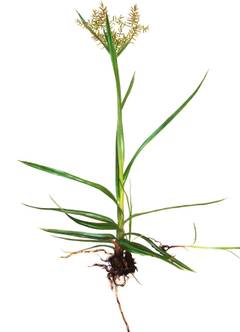
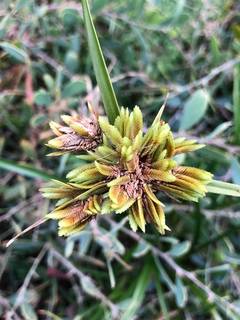
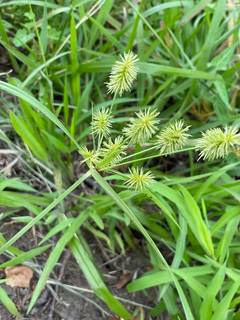
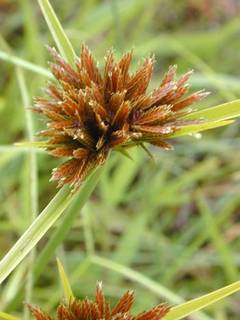
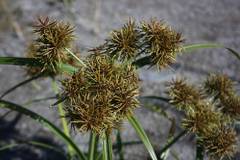
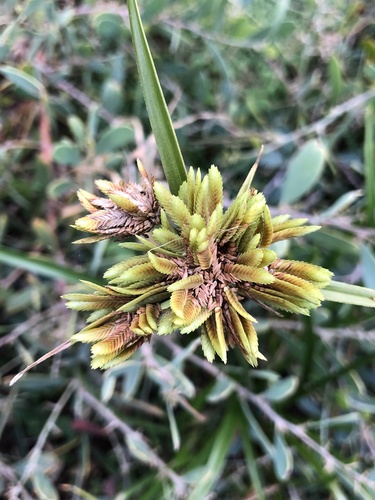
Cyperus is a genus of about 700 species of sedges in the family Cyperaceae, found in wet and damp habitats across tropical and temperate regions worldwide. Like other sedges, plants have solid, three-sided stems, in contrast to the round, hollow stems of grasses. Most species form tufts or spreading colonies of grass-like basal leaves, topped in summer by an umbrella-like cluster of slender bracts that radiate beneath the flower spikes. The flowers themselves are tiny and held in flattened, scaly spikelets, brown to greenish, without bright color. Heights span from low species under 30 cm (12 in) to the papyrus C. papyrus, which reaches 4–5 m (13–16 ft). The genus includes ornamental umbrella sedges, the papyrus once used to make the earliest paper, and several aggressive weeds such as the nutsedges, which spread by hard underground tubers that are difficult to remove. Most species grow in standing water or wet ground, and few tolerate dry soil. The rapid spread of the weedy species makes them persistent once established in gardens and crops.
Native Range
The genus is nearly worldwide, most diverse in the tropics and subtropics of Africa, Asia, and the Americas, with fewer species in cool temperate regions. Several species have spread globally as weeds of wet ground and cultivated fields.Suggested Uses
Used in pond margins, bog gardens, and water features, and as container and indoor plants where the umbrella of bracts gives vertical structure. Papyrus and tall species screen the edges of large water gardens. The need for constant wet and the invasiveness of the weedy species limit where the genus is planted.How to Identify
Appearance
Size & Dimensions
Height1' - 15'
Width/Spread1' - 4'
Bloom Information
The tiny flowers appear from summer into autumn, broadly June to September, in flattened spikelets above the bract whorl. They have no petals and are wind-pollinated, so the bracts and stem form, not the flowers, carry the visual interest. Brown seed heads follow and persist on the stems.
Detailed Descriptions
Flower Description
brown to greenFoliage Description
greenGrowing Conditions
Sun Requirements
Requires 4-10 hours of direct sunlight daily
• Full Sun: 6+ hours of direct sunlight
• Partial Shade: 3-6 hours of direct sunlight
• Full Shade: Less than 3 hours of direct sunlight
Water & Climate
Water Needs
Care & Maintenance
Care Guide
Most species grow in full sun to part shade in wet soil, shallow standing water, or pond margins, and few tolerate drying out. They accept a wide pH range from 5.0 to 8.0 and grow in most soil textures as long as moisture is constant. Tender tropical species such as papyrus survive only in USDA zones 9–11 or as houseplants, while hardy species reach zone 5. Container plants are stood in saucers of water to keep the roots wet. The weedy nutsedges spread by tubers and are hard to dig out completely, as small tuber fragments resprout. Indoor and pond plants are divided in spring to control their size.Pruning
Cutting old or frosted stems to the base in late winter clears the way for fresh growth. Removing flower heads before seeds ripen limits self-seeding in species that spread that way. Digging out nutsedge tubers, repeated over time, is the main means of controlling the weedy species.Pruning Schedule
Prune: February–March
winterearly spring
Container Growing
Suitable for container growing
Minimum container size: 3 gallons