Cyclamen, Genus, persicum, Species,
- Genus & species
Florist's cyclamen
Eastern Mediterranean — Turkey, Syria, Lebanon, Israel, Greece; the 'persicum' name is misleading — the species is not from Persia/Iran
Overview
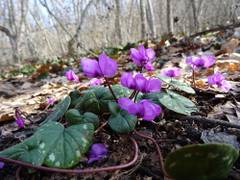
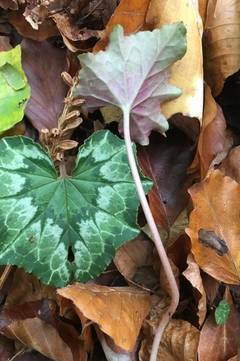
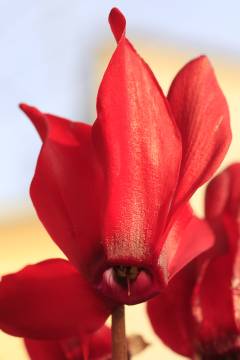
Cyclamen persicum is the florist's cyclamen, growing 8-12 inches (20-30 cm) tall and wide. Flowers have reflexed (swept-back) petals in white, pink, red, magenta, or bicolor above silver-marbled heart-shaped foliage — the reflexed petal form is specific to this genus among common houseplants. A cool-season bloomer: flowers from November through March and requires temperatures of 50-65°F (10-18°C). Heat above 70°F (21°C) shortens bloom life and accelerates senescence. Remove spent flowers by twisting and pulling the entire stem from the tuber base — cutting leaves a stub that may rot. The plant enters full dormancy in summer: all leaves yellow and die back to the underground tuber. Reduce watering to near-zero during dormancy. Resume watering in early fall when new growth emerges. The species name 'persicum' is a misnomer — the plant is native to the eastern Mediterranean (Turkey, Greece, Lebanon), not Persia. Lightly fragrant in some cultivars. Toxic — the tuber contains triterpenoid saponins (cyclamin) that cause gastrointestinal irritation if ingested. Overwatering during active growth causes tuber rot; water from below to keep the tuber crown dry.
Native Range
Cyclamen persicum is native to the eastern Mediterranean — Turkey, Syria, Lebanon, Israel, and Greece.Suggested Uses
Grown in containers of 1-2 gallons (4-8 liters) in the coolest bright room available, at 50-65°F (10-18°C). Suited to cool windowsills, unheated porches, and north-facing rooms during the winter bloom period. Not suited to warm rooms above 70°F (21°C).How to Identify
Appearance
Size & Dimensions
Height8" - 1'
Width/Spread8" - 1'
Bloom Information
Detailed Descriptions
Flower Description
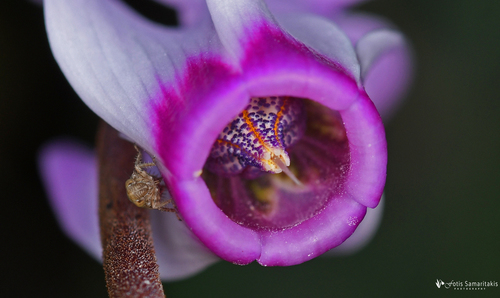
White, pink, red, magenta, or bicolor with reflexed (swept-back) petals — the swept-back petal form is the genus signatureFoliage Description
Dark green heart-shaped with silver marbling patterns on the upper surfaceGrowing Conditions
Sun Requirements
Requires 4-6 hours of direct sunlight daily
• Full Sun: 6+ hours of direct sunlight
• Partial Shade: 3-6 hours of direct sunlight
• Full Shade: Less than 3 hours of direct sunlight
Care & Maintenance
Care Guide
Bright indirect light. Cool temperatures 50-65°F (10-18°C) — heat kills it. Water from below (avoid wetting tuber crown). Remove flowers by twisting from base. Goes dormant in summer (normal). Toxic (especially tuber).Pruning
Remove spent flowers by twisting and pulling from the tuber base. Remove yellowing leaves during dormancy onset. No watering during summer dormancy.Container Growing
Suitable for container growing
Minimum container size: 1 gallons