Cyclamen, Genus, coum, Species,
- Genus & species
spring cyclamen
Turkey, Caucasus, Lebanon, Syria, Bulgaria, and southeastern Europe; deciduous woodlands and rocky slopes
Overview
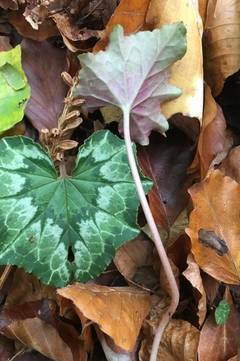
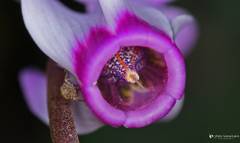
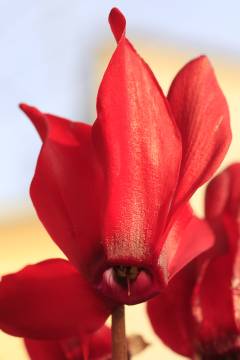
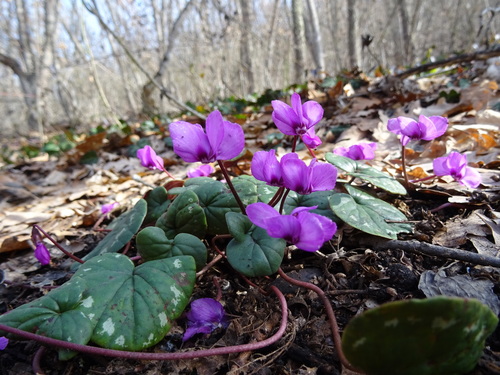
Cyclamen coum is spring cyclamen (eastern cyclamen), a tuberous perennial growing 3-4 inches (7-10 cm) tall and 4-6 inches (10-15 cm) wide. Pink, magenta, or white flowers with reflexed (swept-back) petals 0.5-0.75 inch (1.3-2 cm) and a darker magenta basal blotch in January-March (6 weeks). Dark green rounded to kidney-shaped leaves 1-2 inches (2.5-5 cm) with variable silver markings. Foliage emerges in fall (October-November) and persists through winter — summer-dormant. In Primulaceae. Grows from a flattened round tuber. Native to Turkey, the Caucasus, Lebanon, and southeastern Europe. After flowering, the stalk coils into a spiral, pulling the seed capsule to the ground — ant-dispersed (myrmecochory). Distinguished from C. hederifolium by rounded kidney-shaped leaves (not ivy-lobed) and shorter rounder petals. Plant tubers 1-2 inches (2.5-5 cm) deep with the concave side up. Tolerates alkaline soil (pH to 8.0). Self-sows slowly via ant dispersal. All parts toxic (saponins — cause gastrointestinal distress if ingested). Deer-resistant. Drought-tolerant during summer dormancy. Zones 5-9. Part shade to full shade. Growth rate is slow.
Native Range
Native to Turkey, Caucasus, Lebanon, Syria, Bulgaria, and southeastern Europe. Found in deciduous woodlands and rocky slopes.Suggested Uses
Grown under deciduous trees, in woodland gardens, rock gardens, and in containers of at least 1 gallon (3.8 L), spaced 4-6 inches (10-15 cm). Late winter flower display. Silver-marked winter foliage. Self-sows slowly. Toxic. Deer-resistant. Zones 5-9.How to Identify
Appearance
Size & Dimensions
Height3" - 4"
Width/Spread4" - 6"
Bloom Information
Detailed Descriptions
Flower Description
Pink, magenta, or white with a darker magenta basal blotch, reflexed (swept-back) petals, 0.5-0.75 inch (1.3-2 cm); shorter and rounder petals than C. hederifoliumFoliage Description
Dark green with silver markings (patterns vary from solid silver to mottled or zoned), rounded to kidney-shaped, 1-2 inches (2.5-5 cm); foliage emerges in fall (October-November) and persists through winter and spring — dormant in summerGrowing Conditions
Sun Requirements
Requires 2-4 hours of direct sunlight daily
• Full Sun: 6+ hours of direct sunlight
• Partial Shade: 3-6 hours of direct sunlight
• Full Shade: Less than 3 hours of direct sunlight
Care & Maintenance
Care Guide
Part shade to full shade (2-4 hours — under deciduous trees). Well-drained soil pH 6.0-8.0 (tolerates alkaline). Plant tubers 1-2 inches (2.5-5 cm) deep with concave side up in fall. Summer-dormant. Self-sows slowly. All parts toxic (saponins). Deer-resistant. Zones 5-9.Pruning
No pruning needed. Allow foliage to yellow and die back naturally in late spring (May-June). Do not disturb tubers during summer dormancy.Pruning Schedule
Prune: May–June
late spring
Container Growing
Suitable for container growing
Minimum container size: 1 gallons