Cucurbita, Genus, spp., Multiple species,
- Genus
- Multiple species
gourds
Americas (Mexico, Central America, eastern North America, and temperate South America)
Overview
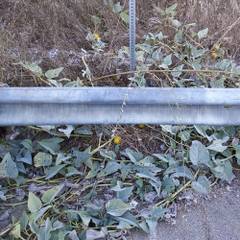
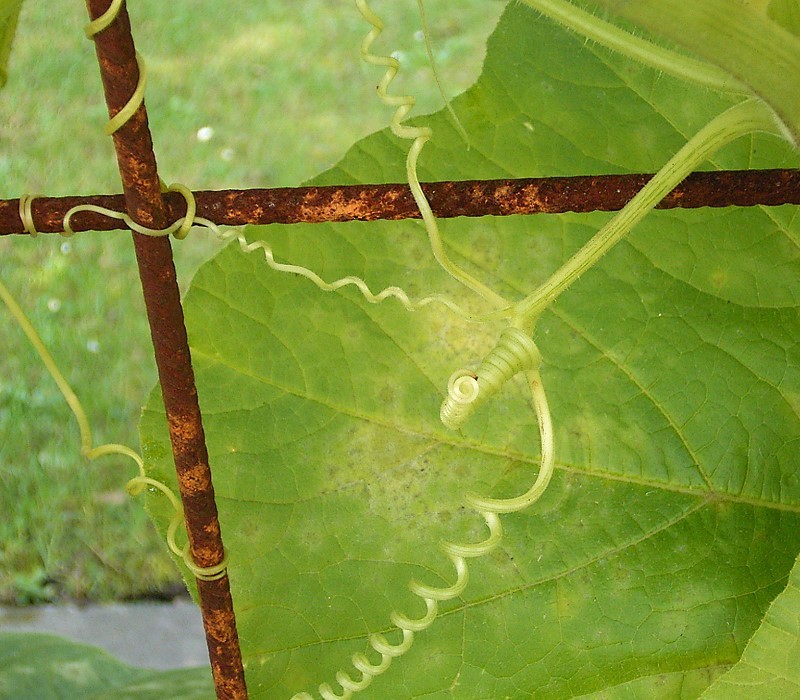
Cucurbita is a genus of about 15 species in the gourd family (Cucurbitaceae), encompassing the cultivated pumpkins, squashes, marrows, and ornamental gourds. Plants are annual or short-lived perennial vines that trail along the ground or climb by branched tendrils, with stems reaching 6-20 feet (1.8-6 m) in a single season. Leaves are large, 6-12 inches (15-30 cm) across, palmately lobed, and carried on long petioles; stems and foliage bear stiff hairs that can irritate skin. The plants are monoecious, producing separate male and female flowers on the same vine. Flowers are funnel-shaped, 2-4 inches (5-10 cm) wide, and yellow to orange, opening for a single morning. The fruit is a pepo that ranges across the genus from 2 inch (5 cm) hard-shelled gourds to pumpkins exceeding 100 pounds (45 kg), with rind colors spanning green, orange, yellow, white, and bicolored. Most cultivated species (C. pepo, C. maxima, C. moschata) are frost-tender warm-season crops, while wild relatives such as C. foetidissima are perennial and drought-adapted. Some wild and ornamental forms accumulate bitter cucurbitacins that cause digestive upset if eaten. The genus needs a long warm season, consistent moisture, and ample room for the running stems.
Native Range
Cucurbita is native to the Americas, with centers of diversity in Mexico and Central America and additional species ranging into the eastern United States and temperate South America. Several species were domesticated independently in Mesoamerica and eastern North America more than 5,000 years ago.Suggested Uses
Grown in vegetable gardens and field plots for edible fruit, along fences and trellises where stems can climb, and as autumn pumpkins and ornamental gourds. Sprawling vines also act as temporary warm-season groundcover over open ground. Compact bush cultivars suit raised beds and large containers.How to Identify
Appearance
Size & Dimensions
Height1' - 2'
Width/Spread6' - 20'
Bloom Information
Flowering begins in early summer once night temperatures stay above 50°F (10°C) and continues until frost. Each flower opens for a single morning, with male flowers appearing first and female flowers, recognizable by the swollen ovary at the base, following within one to two weeks. Bees, particularly squash bees, carry out most pollination.
Detailed Descriptions
Flower Description
yellow to orangeFoliage Description
greenGrowing Conditions
Sun Requirements
Requires 6-10 hours of direct sunlight daily
• Full Sun: 6+ hours of direct sunlight
• Partial Shade: 3-6 hours of direct sunlight
• Full Shade: Less than 3 hours of direct sunlight
Care & Maintenance
Care Guide
Grow Cucurbita in full sun with at least 6 hours of direct light and in fertile, well-drained soil at a pH of 6.0-7.5. Sow seed directly after the last frost once soil reaches 65-70°F (18-21°C), or start indoors 3-4 weeks earlier in cool-summer regions. Space plants 24-48 inches (60-120 cm) apart, allowing 6-20 feet (1.8-6 m) of running room per vine. Water deeply to supply 1-2 inches (2.5-5 cm) per week, keeping moisture even during fruit set, and apply a balanced fertilizer at planting and again at flowering. Powdery mildew, squash bugs, vine borers, and cucumber beetles are the main pressures across the genus. Perennial species such as C. foetidissima tolerate drought once established, while the cultivated annuals need steady moisture.Pruning
Pinching the growing tips once vines reach 5-6 feet (1.5-1.8 m) limits further vine extension and directs growth toward fruit. Yellowing or mildewed leaves can be removed through the season to improve airflow. No structural pruning is required, as the plants complete their cycle in a single season.Container Growing
Suitable for container growing
Minimum container size: 10 gallons
Toxicity
Non-toxicPlanting Guide
Planting Methods & Timing
Planting Method
both
Indoor Start
3 weeks before last frost
Direct Sow Timing
after last frost once soil reaches 65-70°F (18-21°C)
Days to Maturity
50–120 days
Plant Spacing
36 inches
Companion Planting
Good Companions
Avoid Planting With