Clethra, Genus, barbinervis, Species,
- Genus & species
Japanese clethra
Overview
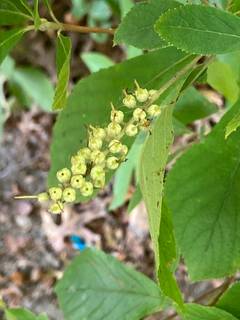
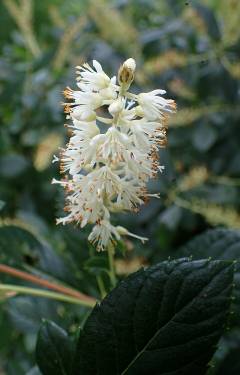
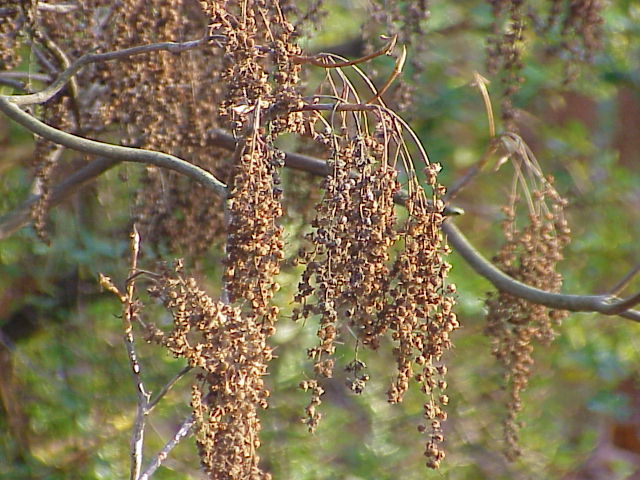
Clethra barbinervis is a large deciduous shrub or small multi-stemmed tree in the family Clethraceae, native to Japan and Korea. Plants reach 10–20 feet (3–6 m) tall and 8–15 feet (2.4–4.6 m) wide, with an upright, irregularly branched, vase-like outline. Bark on mature stems exfoliates in thin plates, exposing patches of gray, tan, and orange-brown. Leaves are alternate, obovate to elliptic, 2–5 inches (5–13 cm) long, with serrated margins and tufts of hairs in the vein axils on the underside. White, fragrant, five-petaled flowers, about 0.3 inch (8 mm) across, are held in upright to spreading racemes 3–6 inches (8–15 cm) long at branch tips from July to August. Fruit is a small, hairy, globose capsule that persists into winter. Fall foliage ranges from yellow to orange-red. Soils are acidic, moist, and high in organic matter; leaf scorch develops in dry soils and hot afternoon sun. Plants are hardy in USDA zones 5–8, and growth is slow, reaching mature height over 15–20 years.
Native Range
Native to Japan and Korea, where it grows in mountain woodlands and along woodland margins. Grown in temperate gardens outside its native range.Suggested Uses
Used as a specimen, in woodland gardens, and in mixed shrub borders, spaced 8–10 feet (2.4–3 m) from adjacent plants. Fragrant flowers attract bees and butterflies. Mature size of 10–20 feet (3–6 m) tall limits use in small gardens.How to Identify
Appearance
Size & Dimensions
Height10' - 20'
Width/Spread8' - 15'
Bloom Information
Flowers open from July to August, with each raceme opening progressively from base to tip over 3–4 weeks. Flowers form on new growth of the current season. Blooms are fragrant and visited by bees and butterflies. Bloom occurs after most shrubs have finished flowering in early summer.
Detailed Descriptions
Foliage Description
Medium greenGrowing Conditions
Sun Requirements
Requires 4-8 hours of direct sunlight daily
• Full Sun: 6+ hours of direct sunlight
• Partial Shade: 3-6 hours of direct sunlight
• Full Shade: Less than 3 hours of direct sunlight
Care & Maintenance
Care Guide
Growth is steadiest in part shade to full sun with consistently moist, acidic soil of pH 5.0–6.5 that is high in organic matter. Full sun is tolerated where soil moisture is maintained, and leaf scorch develops in hot afternoon sun on dry sites. Water is applied at 1–2 inches (2.5–5 cm) per week during the first two growing seasons and during dry periods afterward. Cold hardiness is USDA zones 5–8. A 3-inch (8 cm) layer of organic mulch conserves soil moisture. Alkaline soil above pH 7.0 causes leaf yellowing.Pruning
Little pruning is required, and it is done in late winter or early spring while dormant because flowers form on current-season growth. Dead, crossing, and low-hanging branches are removed to expose the exfoliating bark on the main stems. Multi-stemmed plants are maintained by removing stems that arise below the desired branching height. Plants tolerate hard pruning but regrow slowly.Pruning Schedule
Prune: February–March
early springwinter