Clethra, Genus, spp., Multiple species,
- Genus
- Multiple species
summersweet
Eastern Asia, the Americas, and Madeira
Overview
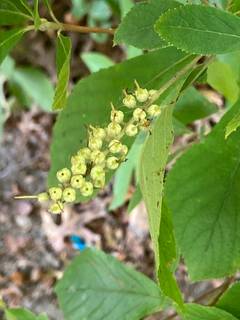
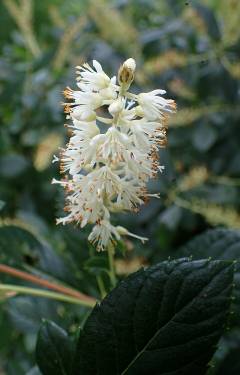
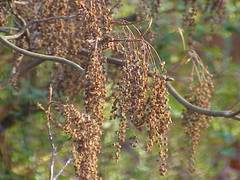
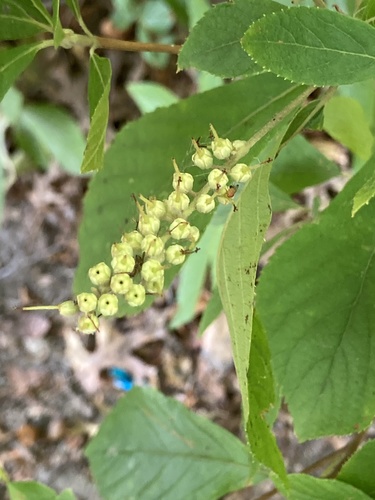
Clethra is a genus of deciduous and evergreen shrubs and small trees in the family Clethraceae, with roughly thirty to sixty-five species spread across eastern Asia, the Americas, and Madeira. Plants range from 1 to 8 m (3 to 26 ft) tall, with the eastern North American C. alnifolia forming a suckering shrub 1–2.5 m (3–8 ft) high. The alternate leaves are simple, toothed, and 4–15 cm (1.6–6 in) long, turning yellow in autumn on deciduous species. Small flowers with five petals are carried in erect or arching terminal racemes 5–20 cm (2–8 in) long, white to pink, opening in mid to late summer and carrying a sweet scent that draws bees and butterflies. The dry seed capsules persist into winter. Clethra grows in moist to wet, acidic soils in sun or part shade and tolerates seasonal flooding, salt spray, and heavy shade, though it becomes chlorotic on alkaline ground. Bloom comes later than most summer shrubs, extending the flowering season. Suckering species form broad colonies over time and may need their spread checked.
Native Range
Clethra is widely disjunct, with species native to eastern and southeastern Asia, eastern North America, Central and South America, and the Atlantic island of Madeira. The summersweet C. alnifolia occurs in moist woods and swamp margins along the eastern coast of North America from Maine to Florida and Texas.Suggested Uses
Planted in moist borders, rain gardens, pond and stream edges, and woodland margins. Massed for summer fragrance near paths and seating where the scent carries. Suited to naturalistic and coastal plantings rather than dry, alkaline sites.How to Identify
Appearance
Size & Dimensions
Height3' - 26'
Width/Spread3' - 10'
Bloom Information
Clethra flowers in mid to late summer, generally July to September, later than most flowering shrubs. The racemes open from the base upward over three to six weeks and release a sweet fragrance. Spent flowers dry to persistent brown capsules.
Detailed Descriptions
Flower Description
white to pinkFoliage Description
dark greenGrowing Conditions
Sun Requirements
Requires 3-8 hours of direct sunlight daily
• Full Sun: 6+ hours of direct sunlight
• Partial Shade: 3-6 hours of direct sunlight
• Full Shade: Less than 3 hours of direct sunlight
Care & Maintenance
Care Guide
Grow Clethra in moist to wet, humus-rich, acidic soil in full sun to part shade. It tolerates wet ground, pond margins, and coastal salt, but yellows and weakens on dry or alkaline soils. A soil pH of about 4.5 to 6.5 suits it. Mulch and water through dry spells, since it wilts quickly in drought. Most species are hardy in USDA zones 4 to 9, depending on origin. Basal suckers extend the clump and can be removed to limit spread.Pruning
Clethra flowers on the current season growth, so prune in late winter or early spring before growth begins. Remove dead and weak stems and thin crowded shoots to keep the centre open. Cut old, leggy plants back hard to renew them, and remove unwanted suckers at the base.Pruning Schedule
Prune: February–March
winterearly spring
Container Growing
Suitable for container growing
Minimum container size: 5 gallons