Clerodendrum, Genus, spp., Multiple species,
- Genus
- Multiple species
Glorybowers
Tropical and subtropical Africa, Asia, and the Pacific
Overview
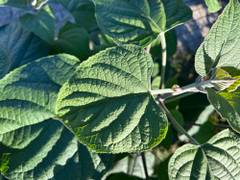
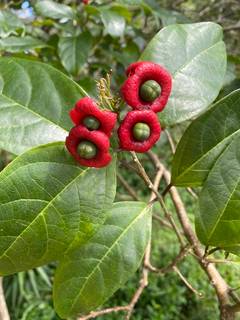
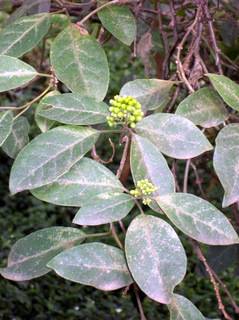
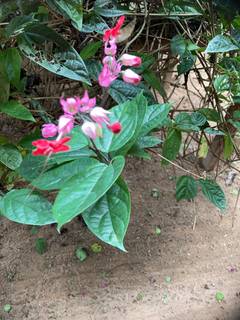
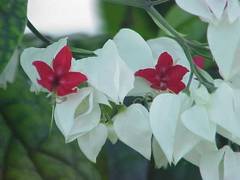
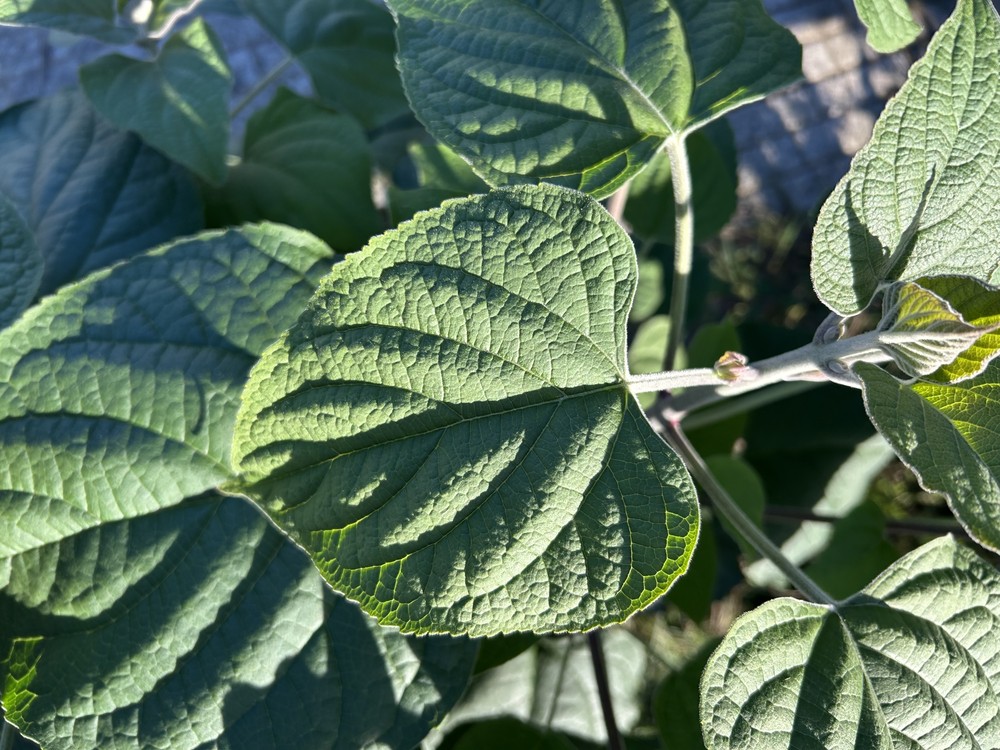
Clerodendrum is a genus of about 150 to 400 species of shrubs, small trees, and woody climbers in the mint family, Lamiaceae, known as glorybowers, native to tropical and subtropical Africa, Asia, and the Pacific, with a few in warm-temperate regions. Plants range from 2 to 20 feet (0.6 to 6 m) tall depending on species and habit, with opposite, often large, heart-shaped to oval leaves that can carry a strong smell when bruised. The flowers are borne in showy clusters and have a slender tube opening into five spreading lobes, with long projecting stamens; colours include white, red, pink, blue, and violet, often set against an inflated or contrasting calyx. In several species the calyx stays coloured after the petals fall and is followed by shining blue, black, or red berries. The genus includes C. thomsoniae, bleeding heart vine, grown indoors and in the tropics, C. trichotomum, harlequin glorybower, a hardy small tree, and C. bungei, which spreads by suckers. Clerodendrum grows at forest margins, in thickets, and in clearings, and several species sucker freely or self-seed, becoming invasive in warm climates. Most species are frost-tender, though a few tolerate light frost and regrow from the base after a cold winter. Many are grown for their flowers and coloured fruit.
Native Range
Clerodendrum is native to the tropics and subtropics of Africa, Asia, and the Pacific islands, with a few species reaching warm-temperate East Asia. Plants grow at forest edges, in thickets, and in clearings. C. trichotomum comes from East Asia, while C. thomsoniae is from tropical West Africa.Suggested Uses
Grown as flowering shrubs, small trees, and climbers in tropical and subtropical gardens, and as conservatory or houseplants in cooler regions. C. thomsoniae is trained on supports indoors and in frost-free gardens, while C. trichotomum is grown as a small specimen tree for its flowers and blue fruit. Suckering species are used for quick screening where their spread is acceptable.How to Identify
Appearance
Size & Dimensions
Height2' - 20'
Width/Spread2' - 12'
Bloom Information
Most Clerodendrum species flower from summer into autumn, and tropical kinds flower over much of the year in warm conditions. The clustered flowers open over several weeks, often followed by coloured calyces and berries that extend the display. Bloom timing shifts with species and climate.
Detailed Descriptions
Flower Description
white, red, pink, blue, or violetFoliage Description
greenGrowing Conditions
Sun Requirements
Requires 4-10 hours of direct sunlight daily
• Full Sun: 6+ hours of direct sunlight
• Partial Shade: 3-6 hours of direct sunlight
• Full Shade: Less than 3 hours of direct sunlight
Care & Maintenance
Care Guide
Clerodendrum species grow in full sun to partial shade in moist, fertile, well-drained soil with steady moisture in the growing season. The genus needs warmth, and most species grow outdoors year-round only in USDA zones 9 to 11, though C. trichotomum and C. bungei survive in zones 7 to 8 and resprout from the base after frost. Plants are grown in containers and overwintered under glass where winters are cold. Many species sucker from the roots and can form thickets, so they are often confined by a barrier or container. Tender kinds need bright light and humidity indoors. Whitefly, mealybug, and spider mite are common pests under glass.Pruning
Clerodendrum is pruned in late winter or early spring before new growth, since most species flower on the current season shoots. Shrubby kinds are cut back hard to control size and shape, and climbers are thinned and tied in. Removing root suckers limits the spread of species that form thickets.Pruning Schedule
Prune: February–March
winterearly spring
Container Growing
Suitable for container growing
Minimum container size: 5 gallons