Image 1 of 20
1 / 20
Plant Reference
Clerodendrum, Genus, trichotomum, Species,
- Genus & species
harlequin glorybower
China, Japan, Korea; forest margins and disturbed areas at low to mid-elevations
Overview
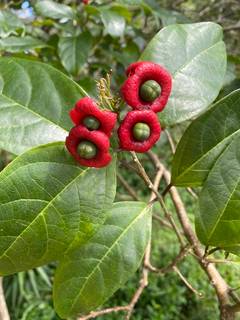
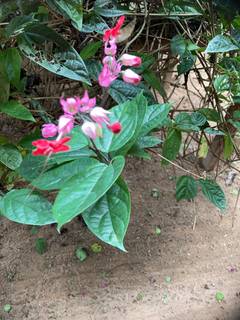
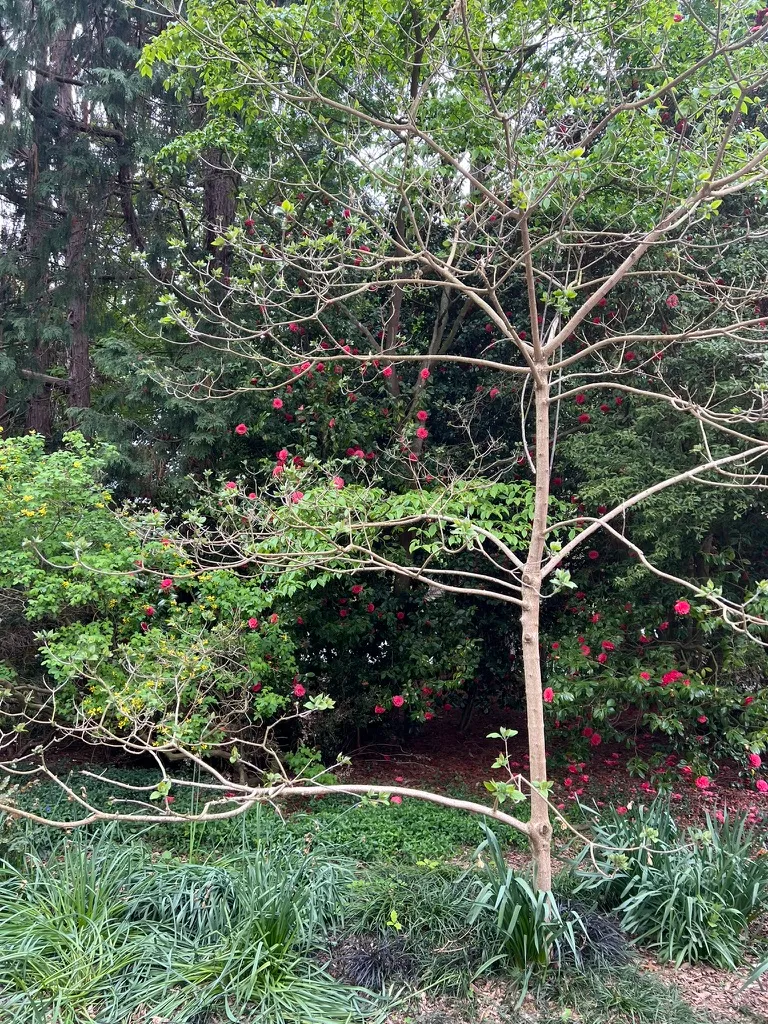
Clerodendrum trichotomum is harlequin glorybower (peanut butter tree), a large deciduous shrub or small tree growing 10-20 feet (3-6 m) tall and 10-15 feet (3-4.5 m) wide. Fragrant (jasmine-like) white tubular flowers 0.75 inch (2 cm) in terminal cymes 6-8 inches (15-20 cm) in August-September, emerging from red-pink calyces. After the white petals drop, the persistent red-pink calyces expand and surround metallic turquoise-blue berries 0.3 inch (8 mm) — the red calyx/blue berry combination is the fall display. Dark green large ovate leaves 5-8 inches (13-20 cm) — the crushed foliage has a pungent odor (peanut butter or burned rubber). In Lamiaceae (reclassified from Verbenaceae). Native to China, Japan, Korea. Suckers aggressively from the root system — root suckers can appear 10-15 feet (3-4.5 m) from the parent plant. This aggressive suckering is the primary limitation. In zones 6-7 the stems die back to the ground in winter and regrow 10-15 feet (3-4.5 m) in one season — blooms on new wood. Deer-resistant. Drought-tolerant once established. Non-toxic. Zones 6-9. Full sun to partial shade. Growth rate is fast.
Native Range
Native to China, Japan, Korea. Found on forest margins and disturbed areas at low to mid-elevations.Suggested Uses
Grown as a specimen shrub in gardens with space for the suckering habit, spaced 10-15 feet (3-4.5 m). Late summer fragrance. Fall red calyx/blue berry display. Suckers aggressively — not for small confined spaces. Deer-resistant. Non-toxic. Zones 6-9.How to Identify
Appearance
Size & Dimensions
Height10' - 20'
Width/Spread10' - 15'
Bloom Information
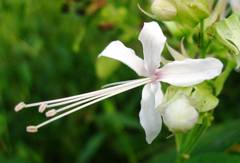
Late summer to early fall (August-September). White tubular flowers 0.75 inch (2 cm) in terminal cymes 6-8 inches (15-20 cm). Fragrant (jasmine-like). 4 weeks of bloom. Bee- and butterfly-pollinated. Metallic turquoise-blue berries in red-pink calyces follow in fall.
Detailed Descriptions
Flower Description
White, tubular, 0.75 inch (2 cm), fragrant (jasmine-like), in terminal cymes 6-8 inches (15-20 cm); the flowers emerge from persistent red-pink calyces that remain after the petals dropFoliage Description
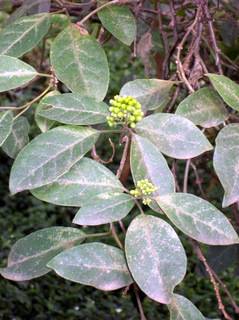
Dark green, large ovate, 5-8 inches (13-20 cm) long; the crushed foliage has a pungent odor variously described as peanut butter or burned rubberGrowing Conditions
Sun Requirements
Requires 4-8 hours of direct sunlight daily
• Full Sun: 6+ hours of direct sunlight
• Partial Shade: 3-6 hours of direct sunlight
• Full Shade: Less than 3 hours of direct sunlight
Care & Maintenance
Care Guide
Full sun to partial shade (4-8 hours). Well-drained soil pH 6.0-7.0. Drought-tolerant once established. Suckers aggressively — remove root suckers regularly to control spread. In zones 6-7 stems die back in winter — regrows from roots. Blooms on new wood. Prune in early spring (March). Deer-resistant. Non-toxic. Zones 6-9.Pruning
Prune in early spring (March) before new growth — blooms on current season's wood. In zones 6-7, cut dead stems to ground level. In zones 8-9 where stems survive winter, thin and shape. Remove root suckers regularly — they can spread 10-15 feet (3-4.5 m) from the parent.Pruning Schedule
Prune: March
early spring