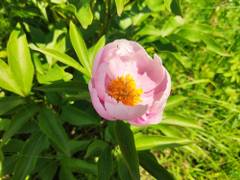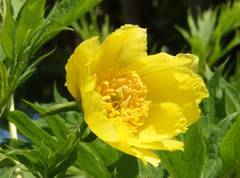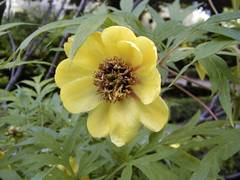
Paeonia, Genus, lactiflora, Species, 'Celebrity', Cultivar,
- Genus & species
- Cultivar
celebrity peony
Hybrid of garden origin; species native to central and eastern Asia
Overview
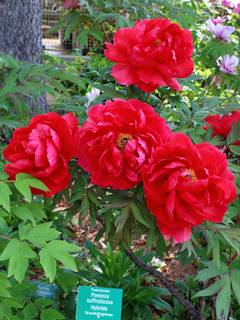
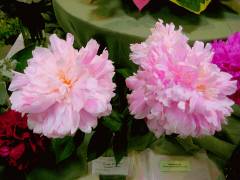
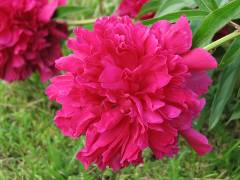
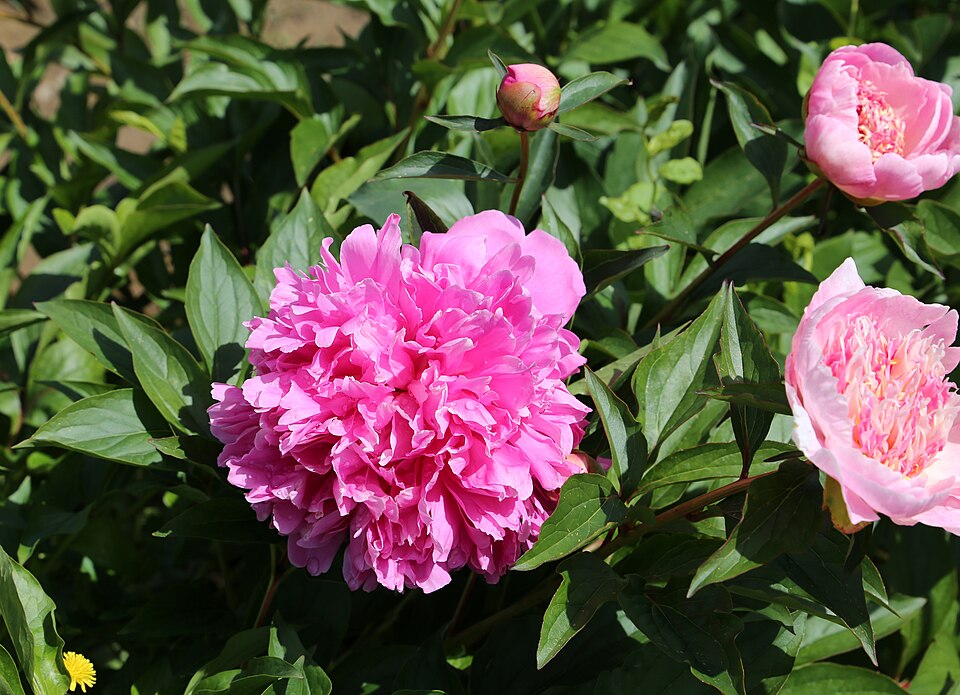
Paeonia lactiflora 'Celebrity' is a clump-forming herbaceous peony reaching 28-34 inches (71-86 cm) tall with similar spread at maturity. Stems emerge red-tinged in spring, bearing dark green compound leaves with leaflets 3-5 inches (8-13 cm) long that turn bronze-red in autumn before dying back to the crown. Flowers open in late spring as single to semi-double blooms 5-6 inches (13-15 cm) across with deep crimson-red petals surrounding a central boss of golden-yellow stamens. Each plant carries 8-12 flower buds; bloom period lasts 7-10 days per stem. Light fragrance is detectable within 12 inches (30 cm). Stems are stiff enough to remain upright without staking under most conditions, though heavy rain can flatten flowering stems. Plants take 3-4 years to reach full flowering size after planting; division resets this clock. P. lactiflora cultivars are long-lived, with established plants flowering for 30 or more years in the same site. Botrytis blight develops in cool wet springs, causing buds to blacken and fail to open; gray mold also affects emerging shoots in poorly drained sites.
Native Range
Paeonia lactiflora is native to central and eastern Asia, ranging from Mongolia and Siberia south through northern China and Korea, in open meadows, woodland edges, and rocky slopes between 1,000-7,500 feet (300-2,300 m) elevation. 'Celebrity' is a garden cultivar developed in cultivation and has no native range.Suggested Uses
Commonly planted as a long-lived perennial in mixed borders, foundation plantings, and dedicated peony beds at 36-42 inch (90-105 cm) spacing. Used for cut flowers; stems are cut at the soft-bud stage and last 7-10 days in water. Container culture is possible in 15-20 gallon (57-76 L) pots with insulation against winter freeze in zones 3-5; plants are typically shorter-lived in containers.How to Identify
Appearance
Size & Dimensions
Height2'4" - 2'10"
Width/Spread2'4" - 2'10"
Colors
Bloom Information
Blooms late May through mid-June in zones 4-6. In zones 7-8, flowering may begin in late April and end by mid-May. Each plant carries 8-12 buds opening over 10-14 days; individual flowers last 5-7 days. A late hard frost below 28°F (-2°C) damages emerging buds and reduces or eliminates that year's bloom.
Detailed Descriptions
Flower Description
Deep crimson red with golden-yellow stamensFoliage Description
Dark greenGrowing Conditions
Sun Requirements
Requires 6-10 hours of direct sunlight daily
• Full Sun: 6+ hours of direct sunlight
• Partial Shade: 3-6 hours of direct sunlight
• Full Shade: Less than 3 hours of direct sunlight
Care & Maintenance
Care Guide
Water deeply at planting and weekly through the first growing season; established plants tolerate 3-4 weeks without rain. Crowns are planted with eyes 1-2 inches (2.5-5 cm) below the soil surface; deeper planting reduces or prevents flowering. Plants resent transplanting and may take 2-3 years to resume normal bloom after division or relocation. Botrytis blight develops in cool wet springs, blackening buds and stems; affected tissue is cut off and removed from the site. Ants visit unopened buds for nectar and do not harm the plant. Cool winters with 400-500 hours below 40°F (4°C) are required to break dormancy; flower production declines in zones 9-10 due to insufficient chilling.Pruning
Spent flower stalks are cut to a leaf node after bloom to prevent seed formation and direct energy to the crown. Foliage is left intact through summer to feed the rhizomes; cutting back foliage early reduces flower bud formation for the following year. Stems are cut to ground level in late fall after foliage blackens with frost and removed from the site to reduce overwintering Botrytis spores. Spring pruning is limited to removing damaged stem tips.Pruning Schedule
Prune: June & October–November
summerfall