Cautleya, Genus, spp., Multiple species,
- Genus
- Multiple species
Himalayan ginger lily
Overview
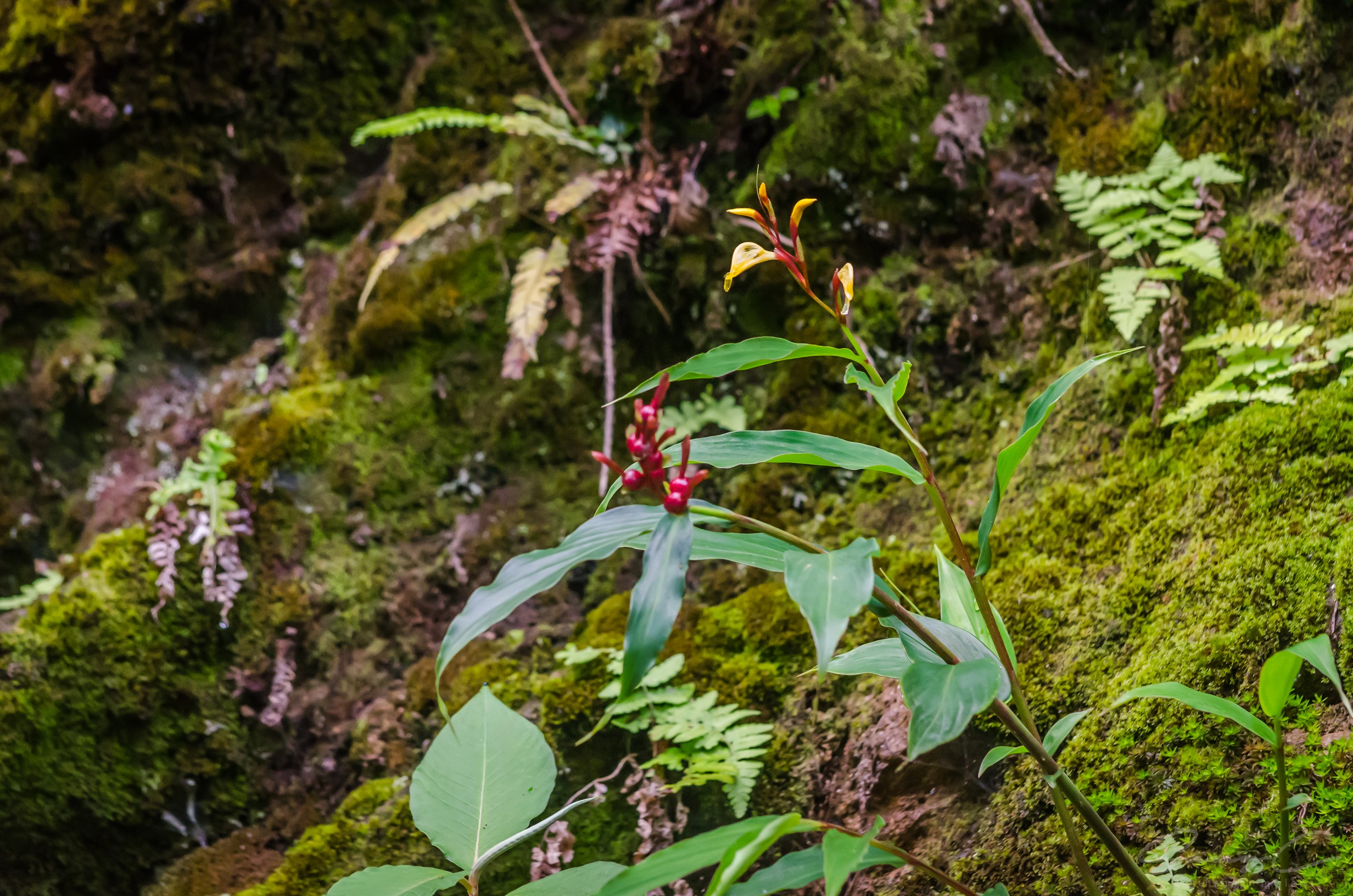
Cautleya is a small genus of two to three species of hardy, rhizomatous perennials in the ginger family, native to the Himalayas and mountains of western China. Plants grow from fleshy rhizomes into upright leafy stems 12-36 inches (30-90 cm) tall, clothed in lance-shaped green leaves that are often flushed purple on the undersides. In late summer and autumn, terminal spikes carry hooded yellow flowers set against contrasting red or maroon bracts. C. spicata and C. gracilis are the species usually grown, with C. spicata 'Robusta' the tallest. The genus grows in cool, moist mountain woodland and needs humus-rich, moisture-retentive but well-drained soil in part shade or morning sun. Plants are hardy in milder temperate zones, roughly USDA 7-9, dying back to the rhizome in winter; in colder areas the rhizomes are lifted or heavily mulched. Dry soil and hot afternoon sun scorch the foliage. New shoots emerge late in spring, so the dormant crowns are easily disturbed before they appear. Established clumps spread slowly into colonies.
Native Range
Native to the Himalayas and the mountains of western China, from northern India and Nepal to Yunnan, growing in cool, moist woodland and on shaded banks.Suggested Uses
Grown in woodland gardens, shaded borders, and damp, sheltered corners for late-season yellow-and-red flowers and bold foliage. Suited to cool, moist climates and pots that can be overwintered under cover. Plants are not suited to dry, hot, or exposed sites.How to Identify
Appearance
Size & Dimensions
Height1' - 3'
Width/Spread1' - 1'6"
Bloom Information
Detailed Descriptions
Flower Description
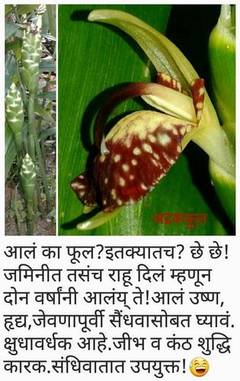
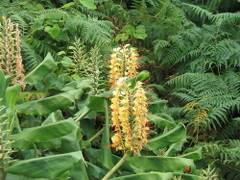
yellow with red bractsFoliage Description
green, purple-tinted beneathGrowing Conditions
Sun Requirements
Requires 3-6 hours of direct sunlight daily
• Full Sun: 6+ hours of direct sunlight
• Partial Shade: 3-6 hours of direct sunlight
• Full Shade: Less than 3 hours of direct sunlight
Care & Maintenance
Care Guide
Plants grow in part shade or morning sun on humus-rich soil that stays moist but drains freely. They are planted from rhizome divisions in spring, set a few inches deep, and benefit from a mulch of leaf mold. Steady moisture through the growing season keeps the foliage from scorching, while sharp winter drainage prevents rhizome rot. In zones colder than about USDA 7, the rhizomes are lifted for winter or mulched deeply. Shoots emerge late in spring, so the dormant crowns are marked to prevent accidental digging. Established clumps spread slowly into colonies.Pruning
Spent flower spikes are removed to keep plants tidy, though seed capsules may be left for autumn color. Frosted stems and leaves are cut to the ground once they collapse in late autumn. Congested clumps are divided in spring as growth resumes.Container Growing
Suitable for container growing
Minimum container size: 3 gallons