Curcuma, Genus, spp., Multiple species,
- Genus
- Multiple species
turmerics
Overview
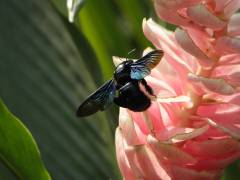
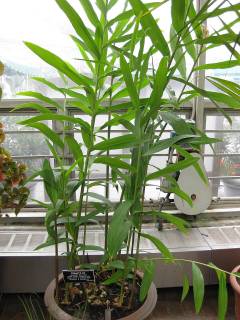
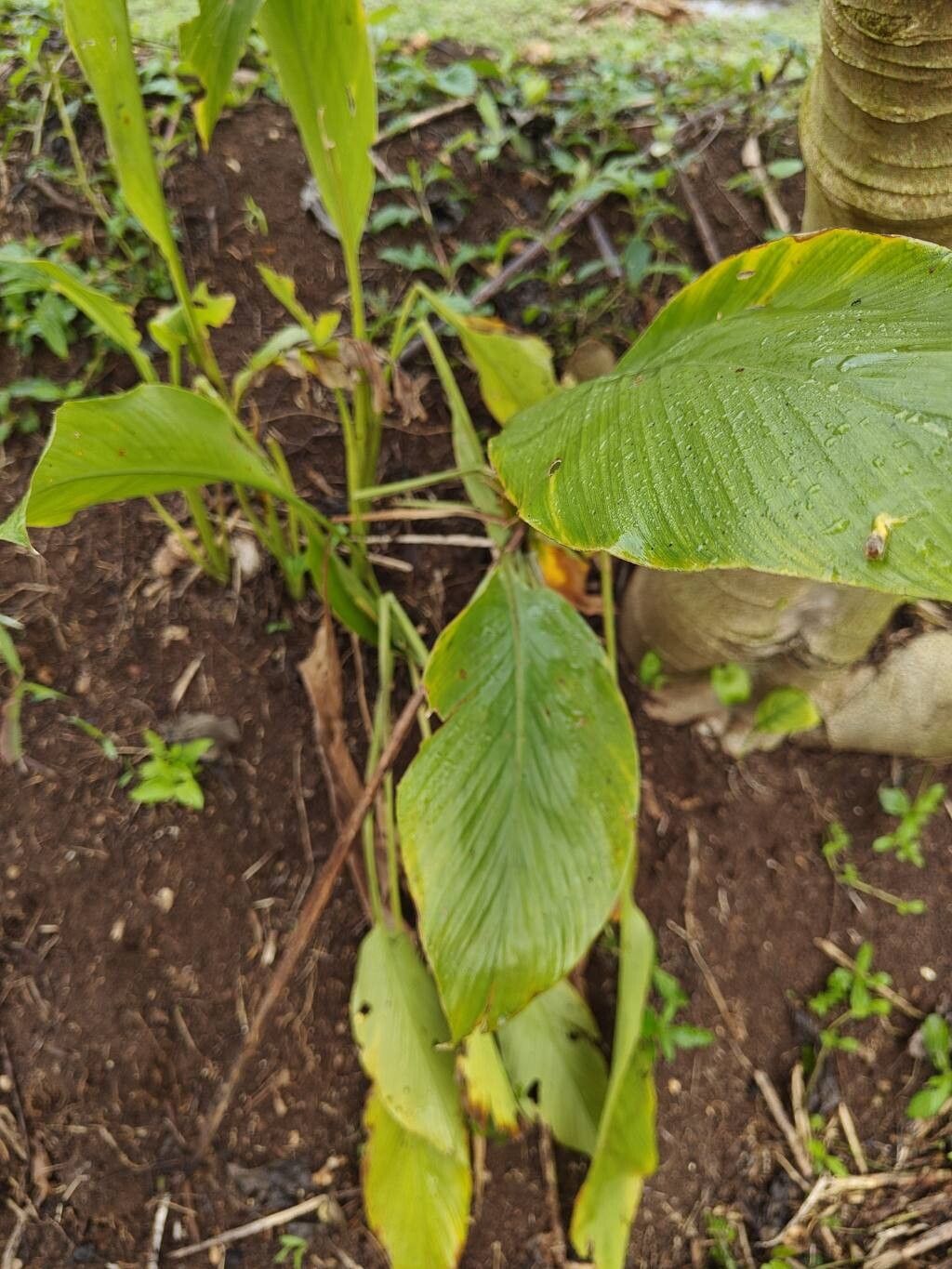
Curcuma is a genus of more than 100 species of rhizomatous perennial herbs in the ginger family Zingiberaceae, native to tropical Asia, from India and southern China through Southeast Asia to northern Australia. Plants grow from thick, aromatic, often orange- or yellow-fleshed rhizomes and form clumps of large, lance-shaped to oblong leaves 1-3 ft (30-90 cm) long on sheathing stalks. The flowers are small and tubular but are carried in a dense cone-like spike among showy, overlapping bracts that may be green, white, pink, or magenta, with the upper bracts of many ornamental species the most colourful part of the display. The genus includes turmeric, C. longa, whose dried rhizome is ground as a yellow culinary spice and dye, as well as ornamental species such as the Siam tulip, C. alismatifolia. Most species are deciduous, dying back to the rhizome through a dry or cool dormant season and reshooting with the warm rains. The genus is frost-tender and needs warmth, humidity, and rich, moist soil during growth. Rhizomes rot if kept cold and wet while dormant.
Native Range
The genus is native to tropical and subtropical Asia, with its greatest diversity in India, Thailand, and Southeast Asia, extending to southern China and northern Australia. Turmeric, C. longa, is a long-cultivated species not known in a truly wild state.Suggested Uses
Curcuma is grown as a tropical foliage and flowering plant in warm-climate borders and containers, with the Siam tulip and similar species used as cut flowers and patio plants. Turmeric is grown in vegetable and herb gardens for its edible, dye-producing rhizome. Plants are spaced 12-18 in (30-45 cm) apart.How to Identify
Appearance
Size & Dimensions
Height1' - 4'
Width/Spread1' - 2'
Bloom Information
Most Curcuma flower in summer through early autumn, soon after the leaves emerge with the warm-season rains. The colourful bracted spikes last several weeks on the plant and as cut flowers. The genus is leafless and dormant through the dry or cool season.
Detailed Descriptions
Flower Description
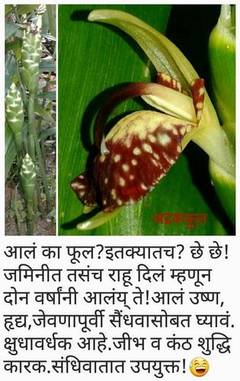
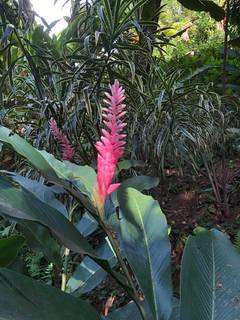
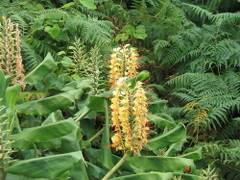
white, pink, or magenta bracts with small yellow flowersFoliage Description
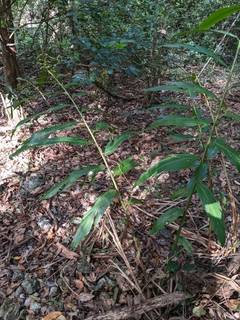
greenGrowing Conditions
Sun Requirements
Requires 4-8 hours of direct sunlight daily
• Full Sun: 6+ hours of direct sunlight
• Partial Shade: 3-6 hours of direct sunlight
• Full Shade: Less than 3 hours of direct sunlight
Care & Maintenance
Care Guide
Grow Curcuma in part shade to full sun in rich, moist, free-draining soil with a pH of 5.5-7.0, in a warm, humid position. Plant the rhizomes in spring as the weather warms, and water and feed generously through the active growing season. The genus is frost-tender, so in cold climates the rhizomes are lifted or the pots are moved frost-free and kept nearly dry while dormant. Reduce watering as the leaves yellow and die back in autumn, since wet, cold rhizomes rot. Plants in containers are repotted and divided in spring. Warmth above 60 F (16 C) is needed to start the rhizomes into growth.Pruning
Curcuma needs no pruning beyond removing spent flower spikes and cutting away the foliage once it yellows and dies back in autumn. The dormant rhizomes are then left dry until spring. Damaged or rotten sections of rhizome are cut away at replanting.Container Growing
Suitable for container growing
Minimum container size: 3 gallons