Alpinia, Genus, spp., Multiple species,
- Genus
- Multiple species
shell gingers
Tropical and subtropical Asia and the Pacific
Overview
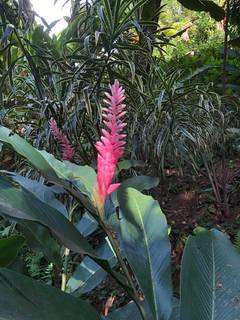
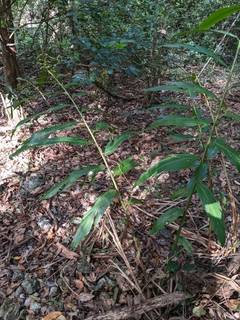
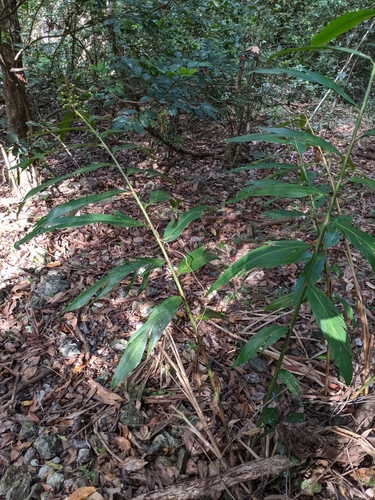
Alpinia is a genus of about 230 species of evergreen, rhizomatous perennials in the ginger family, Zingiberaceae, native to tropical and subtropical Asia and the Pacific islands. Plants form clumps of leafy, reed-like stems 1-4 m (3-13 ft) tall arising from thick, aromatic rhizomes. The lance-shaped leaves are 30-60 cm (12-24 in) long, glossy green, and release a spicy scent when crushed; the cultivated form Alpinia zerumbet 'Variegata' carries yellow-striped foliage. Flowers are borne in arching or upright terminal clusters, each bloom shell-shaped with white to pink waxy bracts and a flared, yellow-and-red marked lip, sometimes faintly scented. Alpinia galanga supplies the culinary spice galangal from its rhizome, while A. zerumbet and A. purpurata are grown for foliage and flowers. The fruit is a rounded, ribbed capsule that ripens red or orange. Plants are frost-tender, dying back or dying outright in cold, and they spread steadily by rhizome to form broad clumps that may need confinement in small gardens.
Native Range
Alpinia is native to the tropics and subtropics of Asia and the Pacific, from India and southern China through Southeast Asia to Australia and the Pacific islands. Plants grow in warm, humid forest understorey, along streams, and in clearings.Suggested Uses
Alpinia species are grown in tropical and subtropical gardens as foliage clumps, screens, and specimen plants, and in large containers moved under cover for winter in cold regions. A. galanga is cultivated for its culinary rhizome, and A. zerumbet is used for its aromatic leaves and shell-like flowers. The variegated form is grown for its yellow-striped foliage.How to Identify
Appearance
Size & Dimensions
Height3' - 13'
Width/Spread3' - 8'
Bloom Information
Flowering occurs mainly in the warm and wet season, late spring through summer in cultivation and over much of the year in the tropics. The clustered shell-shaped flowers open in succession and draw bees and birds. Mature clumps flower more freely than young plants, and some species bloom only on second-year stems.
Detailed Descriptions
Flower Description
White to pink with yellow-and-red lipFoliage Description
Glossy green, some forms yellow-stripedGrowing Conditions
Sun Requirements
Requires 4-8 hours of direct sunlight daily
• Full Sun: 6+ hours of direct sunlight
• Partial Shade: 3-6 hours of direct sunlight
• Full Shade: Less than 3 hours of direct sunlight
Care & Maintenance
Care Guide
Alpinia grows in part shade to full sun in warm, humid conditions on moist, fertile, well-drained soil rich in organic matter. Plants need steady moisture and shelter from wind, which tatters the long leaves, and they brown or die back below about 10 C (50 F). In frost-free zones the foliage is evergreen; in cooler areas the rhizomes survive light frost if mulched but the tops are cut down by cold. The clumps spread by rhizome and can be lifted and divided to control their size. Flowering is reduced where stems are cut back each winter, since some species bloom on older canes. Hardiness is limited to roughly USDA zones 8-11.Pruning
Old, flowered, or frost-damaged stems are cut to the ground in spring, while younger stems are left intact in species that flower on second-year canes. Tattered leaves are trimmed through the season. Clumps are lifted and divided in spring to renew them and limit their spread.Pruning Schedule
Prune: March–April
early spring
Container Growing
Suitable for container growing
Minimum container size: 7 gallons