Baccharis, Genus, pilularis, Species,
- Genus & species
coyote brush
Overview
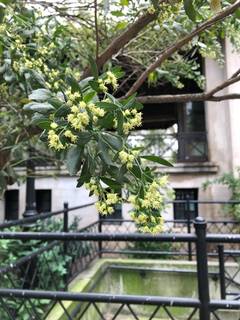
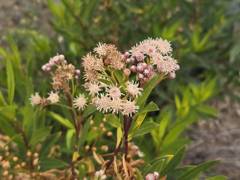
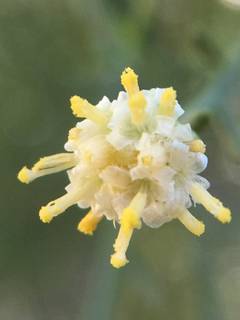
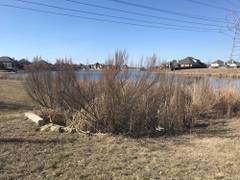
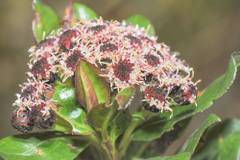
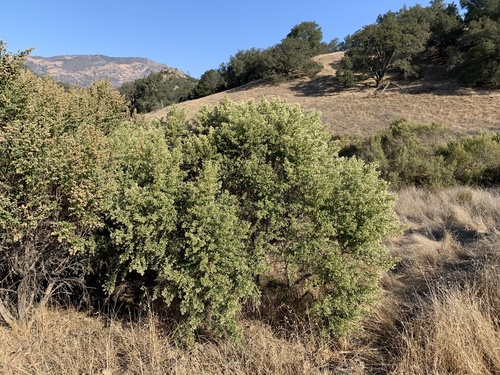
Baccharis pilularis is a broadleaf evergreen shrub with two natural growth forms: prostrate plants reaching 12-24 inches (30-60 cm) tall and 6-10 feet (1.8-3 m) wide on coastal bluffs (subspecies pilularis), and upright plants reaching 4-12 feet (1.2-3.6 m) tall and 6-12 feet (1.8-3.6 m) wide on inland sites (subspecies consanguinea). Stems are slender, green when young, and gray-brown on older wood. Leaves are alternate, narrowly oblong to spatulate, 0.4-1.5 inches (1-3.8 cm) long, with toothed margins and resinous, sticky surfaces; foliage is yellow-green to dark green year-round. Plants are dioecious; small white flower heads 0.2-0.3 inches (5-8 mm) across appear in clusters at branch tips from August through November. Female plants produce masses of cottony seed plumes in October and November that ripen pure white and disperse on wind in masses across landscapes — male plants do not display the cotton. Growth is fast at 12-24 inches (30-60 cm) per year on irrigated young plants; lifespan is 20-50 years on suitable sites.
Native Range
Native to coastal western North America from southern Oregon south through California to northern Baja California, with inland populations extending east to the western foothills of the Sierra Nevada. Found on coastal bluffs, dry slopes, chaparral edges, and disturbed open sites below 2,500 feet (760 m) elevation. Most common on dry, well-drained soils within 30 miles (48 km) of the Pacific Ocean.Suggested Uses
Used as a ground cover, slope-stabilization planting, and erosion control on dry slopes in coastal California zones 7-10 at 4-6 foot (1.2-1.8 m) spacing for the prostrate form or 8-12 feet (2.4-3.6 m) for the upright form. Restoration projects in fire-prone California chaparral employ male-only cultivars for low-irrigation plantings. White cottony seed plumes on female plants are visible from October through December.How to Identify
Appearance
Size & Dimensions
Height1' - 12'
Width/Spread6' - 12'
Colors
Bloom Information
Small white flower heads appear in clusters at branch tips from late August through November in zones 7-10, with peak bloom in October. Female plants display cottony seed plumes 1-2 weeks after flowering through November and into December. Bloom occurs during late fall when most other native shrubs are dormant. Late-season honeybees and native bees use the nectar in coastal California.
Detailed Descriptions
Foliage Description
yellow-green to dark greenGrowing Conditions
Sun Requirements
Requires 6-12 hours of direct sunlight daily
• Full Sun: 6+ hours of direct sunlight
• Partial Shade: 3-6 hours of direct sunlight
• Full Shade: Less than 3 hours of direct sunlight
Care & Maintenance
Care Guide
Grows in full sun on well-drained soils ranging from sand to heavy clay at slightly acid to alkaline pH; tolerates serpentine soils, salt spray, and clay where most other broadleaf evergreens fail. Established plants are highly drought-tolerant and require no supplemental water in zones 8-10 with 12+ inches (30+ cm) annual rainfall. Plants tolerate cold to about 15°F (-9°C) but die back at lower temperatures and may need 2-3 years to recover. Female plants release seed plumes in such mass that they can clog window screens and air filters within 50 feet (15 m); male-only cultivars (for example 'Pigeon Point' and 'Twin Peaks') eliminate this issue. Cinerea and Ramularia leaf-spot fungi can develop in shaded plantings with overhead irrigation; severity is cosmetic.Pruning
Cut all stems to within 4-6 inches (10-15 cm) of the ground every 4-6 years in late winter; the colony resprouts from the rhizome and crown within 6-8 weeks. Annual light shearing in late winter maintains the prostrate form on coastal-bluff plantings; ungroomed plants become woody and ragged within 8-10 years. Older specimens that have not been cut back periodically will not respond to hard pruning beyond about 15 years of age.Pruning Schedule
Prune: February
winter