Baccharis, Genus, neglecta, Species,
- Genus & species
poverty weed
South-central United States and northern Mexico
Overview
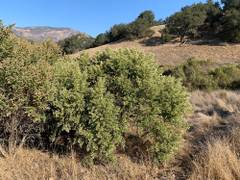
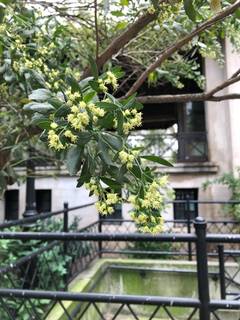
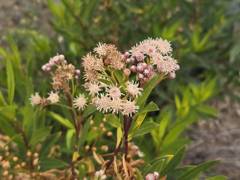
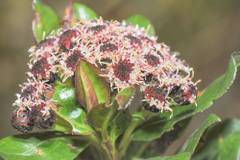
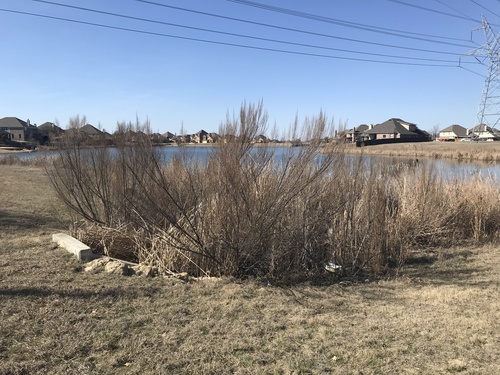
Baccharis neglecta, commonly called poverty weed or false willow, is a fast-growing deciduous shrub in the Asteraceae, typically 6-12 feet (1.8-3.7 m) tall and 6-10 feet (1.8-3 m) wide, with many slender, upright green stems. The narrow, willow-like leaves are 1-3 inches (2.5-8 cm) long, linear to lance-shaped, often with a few teeth, and green to grey-green. Plants are dioecious, with separate male and female individuals; small creamy-white flower heads open in late summer and autumn, and female plants then carry dense masses of white, silky pappus that catch the wind and disperse seed widely. It is a pioneer of disturbed, alkaline, and saline ground, colonising overgrazed pasture, roadsides, ditches, and old fields across its range. The plant tolerates poor soil, salt, drought, and seasonal flooding. Its rapid seeding and spread make it weedy on cleared land, and all parts contain compounds toxic to livestock if grazed.
Native Range
Native to the south-central United States and northern Mexico, centred on Texas and extending into Oklahoma, New Mexico, Louisiana, and adjacent Mexican states. It grows on disturbed, alkaline, and saline soils along roadsides, ditches, floodplains, overgrazed rangeland, and old fields.Suggested Uses
Used for quick cover, windbreaks, and revegetation of poor, saline, or disturbed sites, and as a late-season nectar source in wildlife plantings, spaced 6-10 feet (1.8-3 m) apart. It suits rough, low-input areas and reclamation work. Its aggressive seeding and toxicity to livestock make it poorly suited to small gardens, tidy borders, or grazed land.How to Identify
Appearance
Size & Dimensions
Height6' - 12'
Width/Spread6' - 10'
Bloom Information
Flower heads open in late summer and autumn, mainly September through November, a late-season nectar source. Male and female flowers occur on separate plants. After bloom, female plants produce showy white seed heads that persist briefly before the seed blows away.
Detailed Descriptions
Flower Description
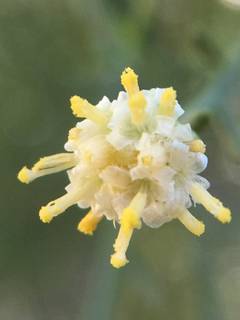
creamy white to yellowishFoliage Description
green to grey-greenGrowing Conditions
Sun Requirements
Requires 6-12 hours of direct sunlight daily
• Full Sun: 6+ hours of direct sunlight
• Partial Shade: 3-6 hours of direct sunlight
• Full Shade: Less than 3 hours of direct sunlight
Care & Maintenance
Care Guide
Grows in full sun on a wide range of soils, including poor, compacted, alkaline, and saline ground, at a pH from about 6.5 to 8.5. Water needs are low once established; the species tolerates drought as well as periodic flooding and standing water. It needs no fertiliser and grows quickly even on degraded sites. Seedlings appear readily on bare soil, so volunteer plants are common nearby. Hardy in USDA zones 7-10.Pruning
Tolerates hard pruning in late winter. Stems are cut back to control size and shape, and the shrub resprouts strongly from the base. Removing female plants or cutting before seed matures reduces unwanted spread.Pruning Schedule
Prune: February–March
winter