Avena, Genus, barbata, Species,
- Genus & species
slender wild oat
Mediterranean region and western Asia
SunFull Sun
Overview
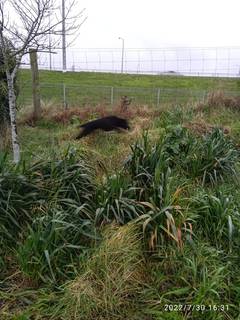
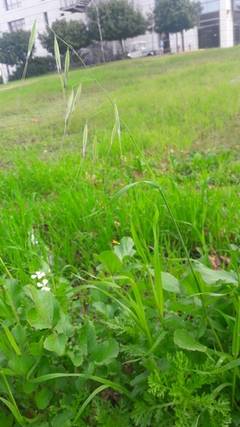
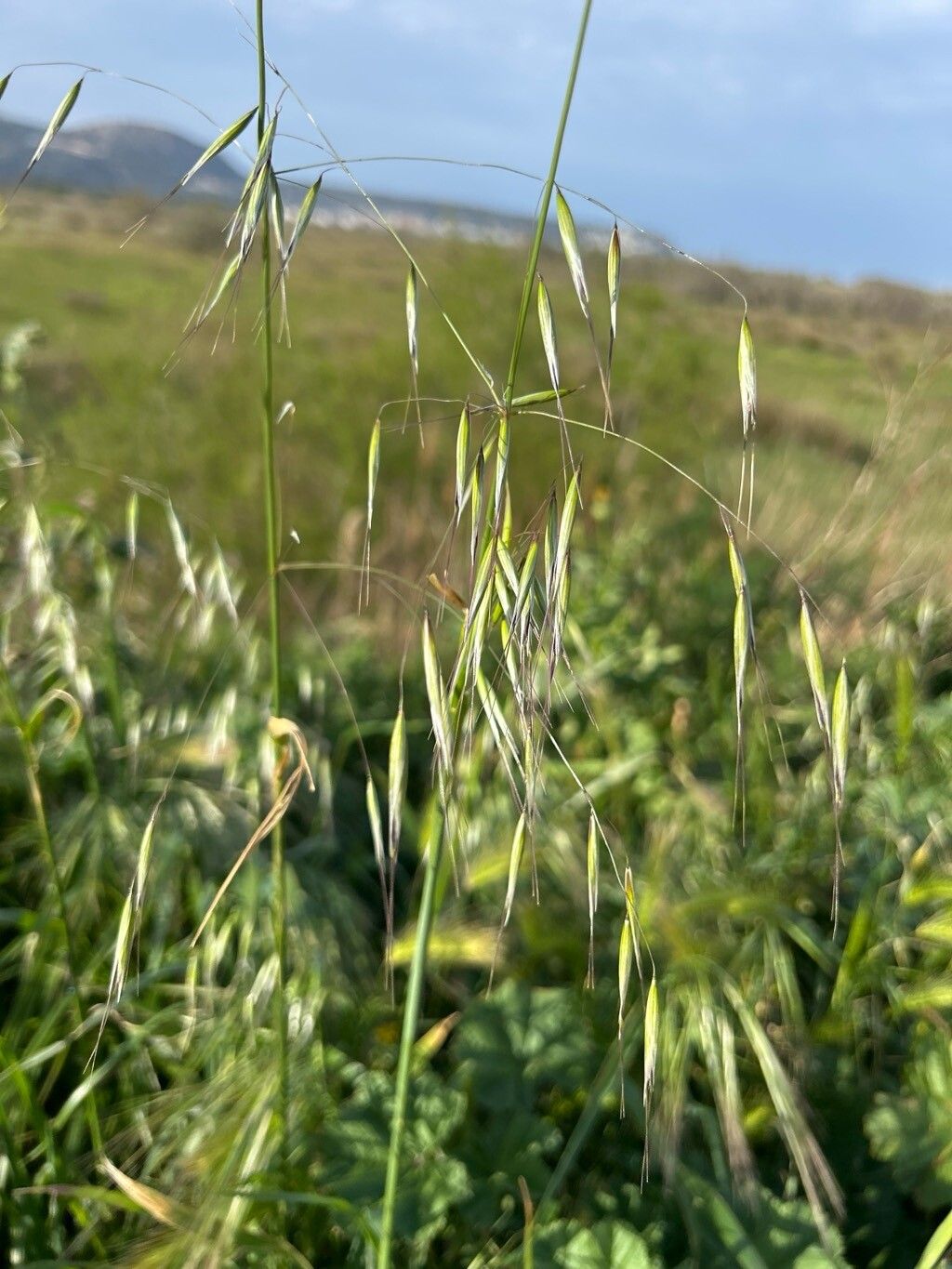
Avena barbata is an annual grass reaching 1-3 feet (30-90 cm) tall, growing in loose tufts of slender, erect culms. The leaf blades are flat, 4-12 inches (10-30 cm) long and up to 0.4 inch (1 cm) wide, with rough margins. From spring into early summer it bears an open, nodding panicle 4-10 inches (10-25 cm) long of large drooping spikelets, each carrying two to three florets with a bent, twisted awn up to 1.5 inches (4 cm) long and a ring of reddish hairs at the base. The grain matures and shatters by early summer, and the awns twist with changes in humidity to drive the seed into the soil. A. barbata originated in the Mediterranean region and has naturalized widely in California, the western United States, and other dry-summer climates, where it dominates annual grasslands and roadsides. As an annual it germinates with fall and winter rains, sets seed, and dies by summer. It is treated as weedy on rangeland and at restoration sites.
Native Range
Avena barbata is native to the Mediterranean region and western Asia. It has naturalized across California, the western United States, and other regions with dry summers, growing on grasslands, roadsides, fields, and disturbed ground.Suggested Uses
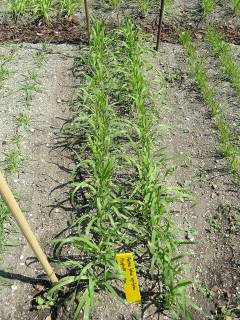
Avena barbata is used as forage on annual rangeland and as a cover crop for erosion control on dry slopes, sown in dense stands about 2 inches (5 cm) apart. The dried panicles are cut for arrangements. In wildland settings it is managed as a weed rather than planted.How to Identify
Appearance
Size & Dimensions
Height1' - 3'
Width/Spread6" - 1'
Bloom Information
Detailed Descriptions
Foliage Description
Green to tanGrowing Conditions
Sun Requirements
Requires 6-12 hours of direct sunlight daily
• Full Sun: 6+ hours of direct sunlight
• Partial Shade: 3-6 hours of direct sunlight
• Full Shade: Less than 3 hours of direct sunlight
Water & Climate
Water Needs
Drought Tolerance
Drought tolerant when established
Care & Maintenance
Care Guide
Avena barbata grows in full sun in a wide range of soils with a pH from 5.5 to 8.0, from sand to clay, and tolerates poor and disturbed ground. As a cool-season annual it germinates with fall and winter rain, grows through the cool months, and dies after setting seed in early summer. It needs no irrigation in its Mediterranean-type range and self-seeds heavily. Stands form dense annual cover that can crowd out native seedlings. Growth is reduced in deep shade and on permanently wet soils. It is managed as a weed in rangeland and restoration plantings.Pruning
Mowing or cutting before the seed ripens reduces self-seeding and spread. There is no other routine pruning for this annual grass. Cut or grazed plants do not regrow once they have flowered.Pruning Schedule
Prune: May
late spring
Toxicity
Non-toxicPlanting Guide
Planting Methods & Timing
Planting Method
direct sow
Direct Sow Timing
Fall
Plant Spacing
2 inches