Overview
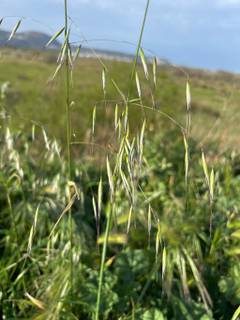
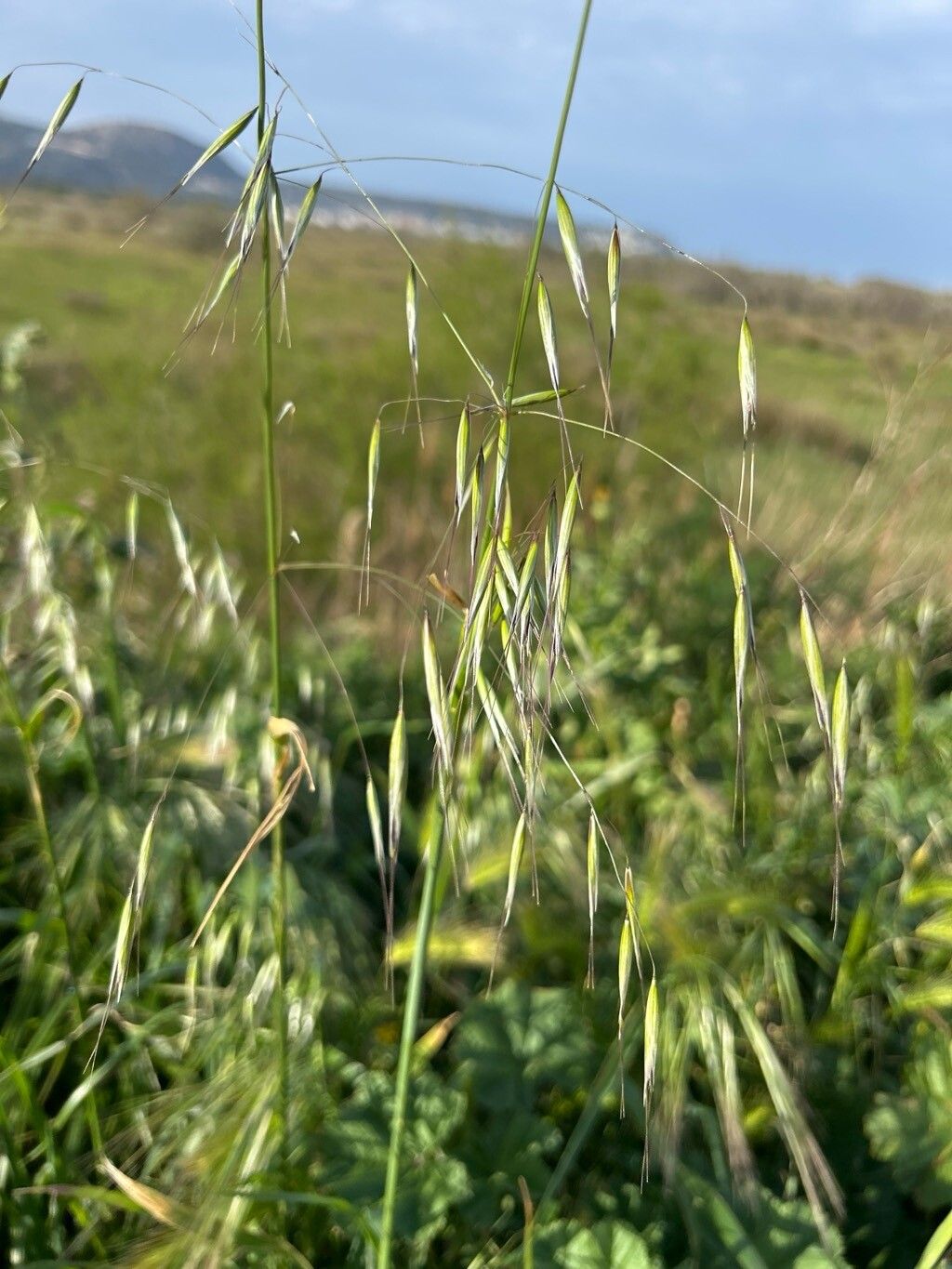
Avena is a genus of about 30 species of annual grasses in the family Poaceae, native to the Mediterranean Basin, temperate Eurasia, and North Africa. Plants form tufts of upright stems 1–5 feet (30–150 cm) tall, with flat, linear leaf blades 4–18 inches (10–45 cm) long and rough margins. The inflorescence is an open, branching panicle bearing pendulous spikelets, each holding two to three florets enclosed in papery bracts; many species carry a bent, twisted awn that aids seed dispersal. The genus includes the cultivated oat, A. sativa, grown worldwide as a cereal grain and forage, and several wild species such as A. fatua, a widespread agricultural weed of cereal fields. Grains ripen from green through straw-yellow as the panicle dries. Avena species complete their life cycle within a single season, germinating in cool conditions and maturing over 90–150 days depending on species and climate. Roots are fibrous and shallow, making plants responsive to surface moisture but sensitive to drought during grain fill. Cultivated oats are grown for grain and straw, while wild species compete with crops and can reduce yields. All species require full sun and tolerate a range of soils, though they grow poorly on waterlogged ground.
Native Range
Avena is native to the Mediterranean Basin, North Africa, and temperate western Asia, where wild species grow in grasslands, field margins, and disturbed ground. Cultivated oats are now grown across temperate regions worldwide.Suggested Uses
Avena sativa is grown as a cereal grain, for forage and hay, and as a cool-season cover crop that suppresses weeds and adds organic matter. Wild and ornamental species are sometimes used in naturalistic plantings and dried arrangements for their nodding panicles. Oat straw is used as animal bedding and mulch.How to Identify
Appearance
Size & Dimensions
Height1' - 5'
Width/Spread6" - 1'6"
Bloom Information
Flowering occurs in late spring and early summer as the panicles emerge and shed pollen, which is dispersed by wind. Grain develops and ripens over the following weeks, with the panicle drying from green to straw-yellow. In cultivation, spring-sown crops flower within two to three months of germination.
Detailed Descriptions
Flower Description
Green to strawFoliage Description
Green to strawGrowing Conditions
Sun Requirements
Requires 6-12 hours of direct sunlight daily
• Full Sun: 6+ hours of direct sunlight
• Partial Shade: 3-6 hours of direct sunlight
• Full Shade: Less than 3 hours of direct sunlight
Water & Climate
Water Needs
Care & Maintenance
Care Guide
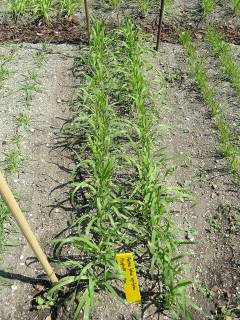
Sow Avena directly into prepared ground in early spring, or in autumn in mild-winter regions, placing seed about 1 inch (2.5 cm) deep. Plants require full sun and even moisture during establishment and grain fill, and grow in most well-drained soils across a pH range of about 5.5–7.5. Cool, moist conditions during early growth produce the heaviest grain yields, while heat and drought during flowering reduce them. Nitrogen supports leaf and grain development, but excessive amounts cause stems to lodge, or fall over. Wild species self-seed freely and can persist as weeds where allowed to set seed. Plants die after the grain matures and are cut or grazed at the end of the season.Pruning
As annual grasses, Avena species need no pruning. Grain crops are cut whole when the panicles ripen, and forage stands are mown or grazed before seed set. Removing seed heads before they mature limits self-seeding from wild species.Toxicity
Non-toxicPlanting Guide
Planting Methods & Timing
Planting Method
direct sow
Direct Sow Timing
Early spring, or autumn in mild-winter regions
Days to Maturity
90–150 days
Plant Spacing
2 inches
Companion Planting
Good Companions