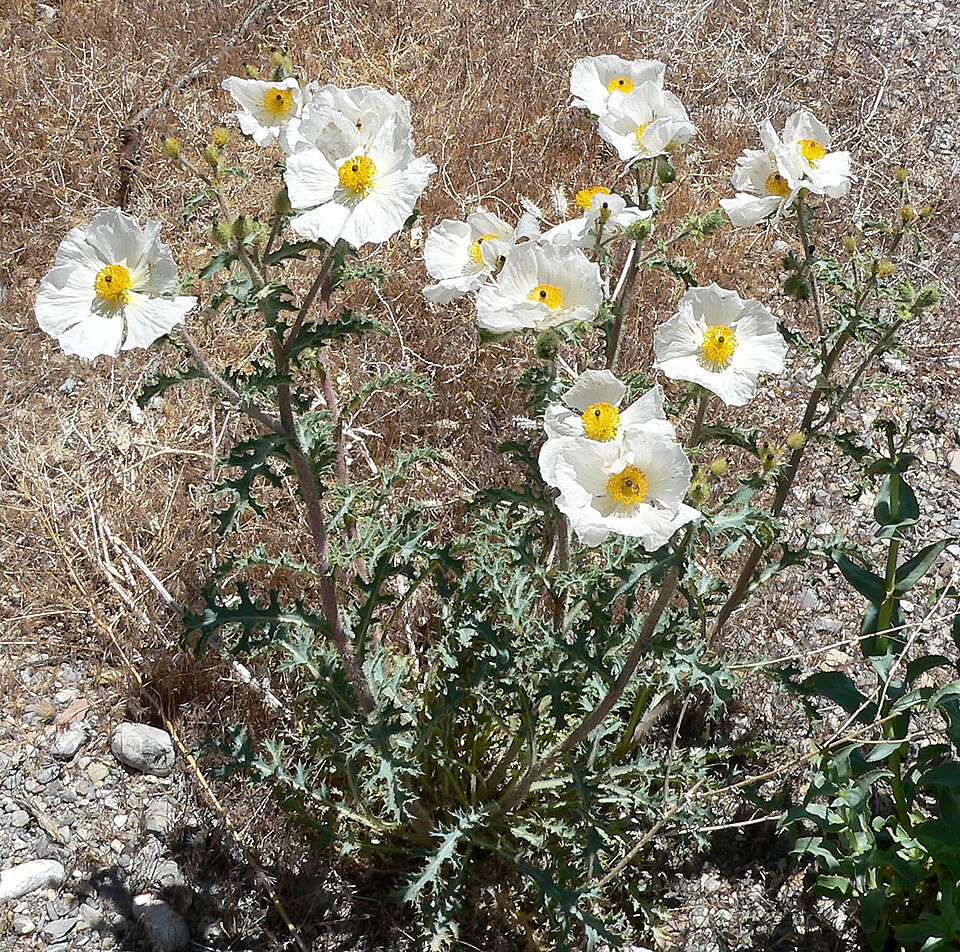
Argemone, Genus, spp., Multiple species,
- Genus
- Multiple species
prickly poppies
Warm, arid Americas (southwestern North America, Mexico, South America) and Hawaii
Overview
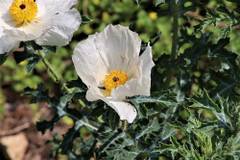
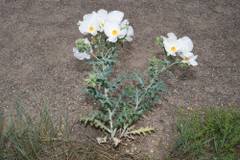
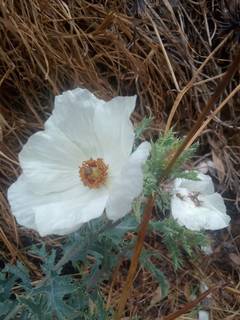
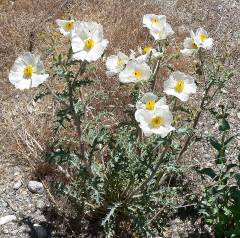
Argemone is a genus of about 30 species of annual, biennial, and perennial herbs in the poppy family (Papaveraceae), known as prickly poppies. Plants grow 1-5 feet (30-150 cm) tall with branching stems and lobed, blue-gray leaves edged and veined with sharp spines. Broken stems and leaves release a yellow or orange latex. The flowers are large and poppy-like, 2-4 inches (5-10 cm) across, with crinkled, papery petals in white, yellow, or orange around a dense boss of stamens. Spiny, egg-shaped seed capsules follow and split to release many small seeds. All parts contain toxic alkaloids such as sanguinarine and berberine, and the seeds and seed oil are poisonous to people and livestock. The genus is native mostly to the warm, arid parts of the Americas, especially the southwestern United States and Mexico, with a species in Hawaii. Prickly poppies grow in dry, open, disturbed ground and are well adapted to heat, drought, and poor soil. Several species behave as pioneer weeds of overgrazed range and roadsides. The spines deter grazing animals and make handling difficult.
Native Range
Argemone is native chiefly to the Americas, with its center of diversity in Mexico and the southwestern United States, ranging south into South America and the West Indies, plus one species native to Hawaii. Plants grow in deserts, dry grassland, and disturbed open ground.Suggested Uses
Grown in dry, gravel, and desert gardens, in wildflower and native plantings of arid regions, and on hot, poor banks where little else thrives. The spiny habit forms a deterrent edging along boundaries. The plants are toxic and well armed, which limits their use near areas frequented by children, pets, and grazing animals.How to Identify
Appearance
Size & Dimensions
Height1' - 5'
Width/Spread1' - 2'
Bloom Information
Most Argemone bloom from late spring through summer and into autumn in warm regions, each flower lasting a day or two but produced in succession over a long season. Bees gather pollen from the large flowers, which lack nectar. Seed set follows quickly in the spiny capsules.
Detailed Descriptions
Flower Description
white, yellow, or orangeFoliage Description
blue-grayGrowing Conditions
Sun Requirements
Requires 6-12 hours of direct sunlight daily
• Full Sun: 6+ hours of direct sunlight
• Partial Shade: 3-6 hours of direct sunlight
• Full Shade: Less than 3 hours of direct sunlight
Water & Climate
Water Needs
Drought Tolerance
Drought tolerant when established
Care & Maintenance
Care Guide
Grow Argemone in full sun in poor to average, sharply drained soil with a pH of 6.0-7.5; the genus thrives on dry, sandy, and rocky ground and rots in rich or wet soil. Plants are highly drought tolerant once established and need watering only to get seedlings going. Sow seed directly where plants are to grow, as the deep taproot resents disturbance and transplants poorly. No feeding is needed, and overly fertile soil produces soft, floppy growth. The plants are largely free of pests, helped by their spines and toxic sap. Self-sown seedlings appear freely in open ground, and some species can spread as weeds.Pruning
Little pruning is needed beyond removing spent flower stems before the spiny pods ripen to limit self-seeding. Annual and biennial species are pulled once they finish their cycle. Perennial species can be cut back after flowering, though the spiny stems make the work awkward.Toxicity Warning
Toxic to pets and humansPlanting Guide
Planting Methods & Timing
Planting Method
direct sow
Direct Sow Timing
in spring after frost, where plants are to grow (taproot resents transplanting)