Anthriscus, Genus, spp., Multiple species,
- Genus
- Multiple species
chervils
Europe, temperate Asia, and North Africa
Overview
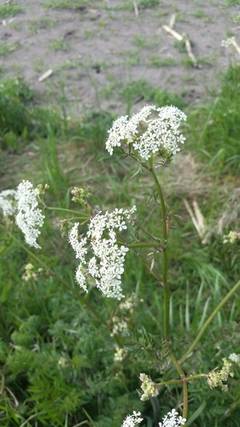
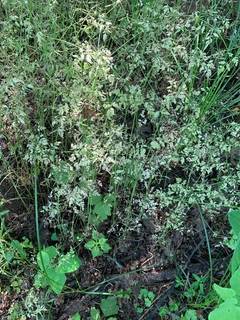
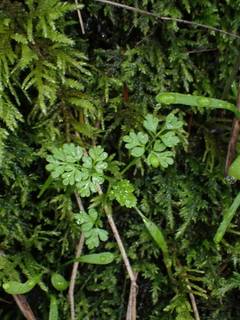
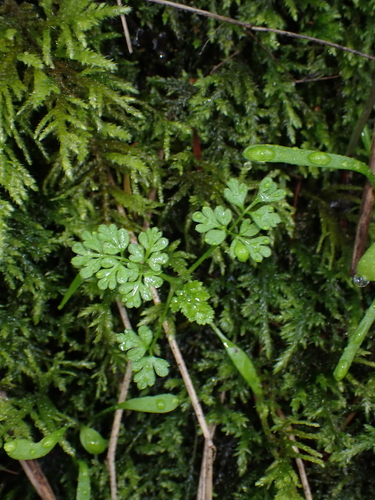
Anthriscus is a genus of about 12 species of annual, biennial, and short-lived perennial herbs in the carrot family Apiaceae, native to Europe, temperate Asia, and North Africa. Plants form mounds of soft, finely divided, fern-like leaves and send up hollow, branching stems 1 to 5 ft (30 to 150 cm) tall topped by flat or domed umbels of many tiny white flowers. The genus includes garden chervil (A. cerefolium), an annual culinary herb with an anise-parsley scent, and cow parsley (A. sylvestris), a biennial to short-lived perennial that lines roadsides and hedgerows across temperate Europe. Flowering is followed by narrow, beaked seeds that ripen and scatter, and most species self-sow freely. Wild species closely resemble the highly toxic poison hemlock (Conium maculatum) and other dangerous umbellifers, which share the same white umbels and divided leaves. Limitations include the short life of individual plants, heavy self-seeding that can naturalize, and rapid decline in hot, dry summers.
Native Range
Anthriscus is native across Europe, North Africa, and temperate Asia, with cow parsley (A. sylvestris) ranging from Britain through Siberia. Plants grow in meadows, hedgerows, woodland edges, roadsides, and disturbed ground on moist, fertile soils. Several species have naturalized in North America and elsewhere as introduced plants.Suggested Uses
Garden chervil (A. cerefolium) is grown in herb gardens and containers for its leaves, used fresh in cooking. Cow parsley and similar species are planted in wild, meadow, and cottage-garden settings for their lacy spring foliage and white umbels. The flowers draw hoverflies and other beneficial insects to the garden.How to Identify
Appearance
Size & Dimensions
Height1' - 5'
Width/Spread1' - 3'
Bloom Information
Anthriscus flowers in spring and early summer, with cow parsley blooming from April to June and washing roadsides in white. Each plant carries many small umbels over several weeks before setting seed. Hoverflies, small bees, and beetles visit the open flowers.
Detailed Descriptions
Foliage Description
greenGrowing Conditions
Sun Requirements
Requires 4-8 hours of direct sunlight daily
• Full Sun: 6+ hours of direct sunlight
• Partial Shade: 3-6 hours of direct sunlight
• Full Shade: Less than 3 hours of direct sunlight
Care & Maintenance
Care Guide
Anthriscus grows in full sun to partial shade in moist, fertile, free-draining soil with a pH from about 6.0 to 7.5. Garden chervil is grown as a cool-season annual, sown in succession and shaded in summer, since heat and drought push it quickly to flower and turn the leaves bitter. Cow parsley and other wild species are hardy biennials to perennials, surviving winters in zones 4 and warmer. Plants self-sow heavily, and seedlings appear around the parent unless seed heads are removed. The soft foliage can carry aphids and powdery mildew in crowded, still conditions.Pruning
Anthriscus grown for leaves is cut regularly to delay flowering and prompt fresh growth. Spent flower stems are removed before seed ripens where self-seeding is unwanted. Wild species are cut back after flowering to tidy the planting and limit spread.Container Growing
Suitable for container growing