Anthriscus, Genus, sylvestris, Species,
- Genus & species
wild chervil
Europe, western Asia, northern Africa
Overview
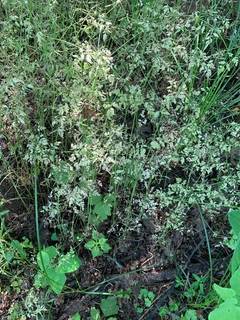
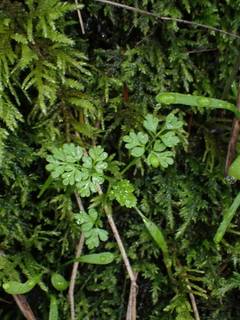
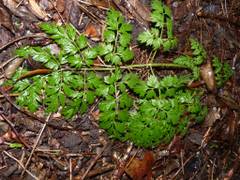
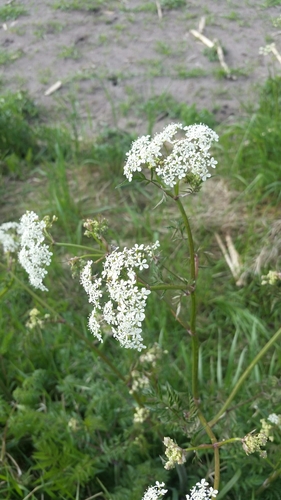
Anthriscus sylvestris is a biennial or short-lived monocarpic perennial in the carrot family (Apiaceae) reaching 24–60 inches (60–150 cm) tall with a 12–24 inch (30–60 cm) spread. First-year plants produce a basal rosette of triangular, 2–3 times pinnately compound leaves 6–12 inches (15–30 cm) long with finely divided segments. Second-year plants bolt to erect, hollow, grooved stems that branch in the upper half. Stem leaves are smaller and progressively less divided upward. Flowers are white, 0.1 inch (2–3 mm) across, borne in compound umbels 2–3 inches (5–8 cm) in diameter from April through June. Fruit is a smooth, elongated mericarp 0.25–0.3 inch (6–8 mm) long, glossy dark brown to black at maturity. Plants develop a fleshy taproot in the first year. Listed as a Class B noxious weed in Washington State and a quarantine species in several other states. A single plant produces 800–1,200 seeds that persist in the soil seed bank for 2–3 years. Closely resembles several toxic Apiaceae species including Conium maculatum (poison hemlock), creating identification hazards in the field.
Native Range
Native to Europe, western Asia, and northern Africa, occurring in meadows, hedgerows, woodland edges, and roadsides from sea level to approximately 5,000 feet (1,500 m). Naturalized in North America, most extensively in the Pacific Northwest and northeastern United States, where it invades riparian corridors, roadsides, and moist open areas.Suggested Uses
Used in weed identification training for Pacific Northwest land managers, particularly in differentiating toxic and non-toxic Apiaceae. Studied in invasive ecology research related to riparian habitat displacement. In its native European range, the species occurs naturally in hedgerow and meadow plant communities.How to Identify
Appearance
Size & Dimensions
Height2' - 5'
Width/Spread1' - 2'
Bloom Information
Flowers from April through June in USDA zones 3–8. Peak bloom lasts 2–3 weeks, with compound umbels opening sequentially from the terminal to lateral branches. Individual umbels contain 6–12 umbellets. In the Pacific Northwest, flowering peaks in May. Seeds ripen by late June to July, approximately 4–6 weeks after pollination. Pollinated by a wide range of insects including flies, beetles, and small bees.
Detailed Descriptions
Foliage Description
Dark green, triangular in outline, 2-3 times pinnately compound with finely divided segmentsGrowing Conditions
Sun Requirements
Requires 4-8 hours of direct sunlight daily
• Full Sun: 6+ hours of direct sunlight
• Partial Shade: 3-6 hours of direct sunlight
• Full Shade: Less than 3 hours of direct sunlight