Anthriscus, Genus, cerefolium, Species,
- Genus & species
chervil
Native to Europe and western Asia, particularly the Caucasus region, where the species grows in woodland edges, hedgerows, and moist shaded areas; the species naturalized into European garden cultivation centuries ago and became one of the four French fines herbes (alongside parsley, tarragon, and chives) — the fines herbes culinary tradition originated in northern France and remains the cultural anchor for chervil's culinary positioning today
Overview
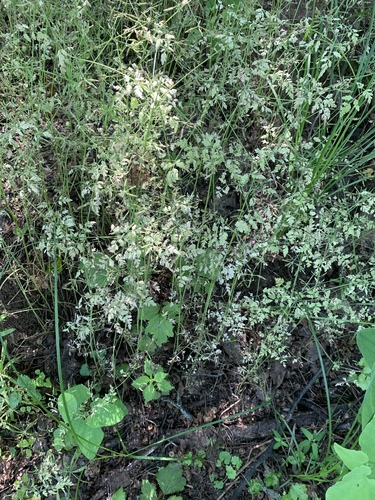
Anthriscus cerefolium is an annual herb in the carrot family (Apiaceae) reaching 12-24 inches (30-60 cm) tall with an 8-12 inch (20-30 cm) spread and an upright lacy habit. Native to Europe and western Asia in the Caucasus region, the species produces narrowly divided fern-like bright green leaves with a subtle anise-parsley flavor. Small umbels of tiny white flowers appear when temperatures exceed 70°F (21°C) — flowering ends the leaf harvest since the flavor turns bitter at that stage. Growth rate is fast. Cool-season annual that bolts quickly in heat. Days to maturity 40-60 from direct sow. The species is one of the four French fines herbes (with parsley, tarragon, and chives). The leaf flavor diminishes with drying so the herb is used fresh. Self-seeds readily in favorable conditions and forms small naturalized colonies in shaded garden corners over multiple seasons.
Native Range
Anthriscus cerefolium is native to Europe and western Asia, particularly the Caucasus region, in woodland edges, hedgerows, and moist shaded areas.Suggested Uses
Grown in herb and vegetable gardens for culinary use — French fines herbes, eggs, fish, salads, soups, and sauces. Subtle anise-parsley flavor pairs with mild dishes that other strong-flavored herbs would overwhelm. Used fresh since the leaf flavor diminishes with drying. Cool-season only with a productive window of 40-60 days. Succession sowing required for continuous supply. Tolerates part shade unlike most culinary herbs that demand full sun. Bolts quickly in heat above 70°F. Not suited to hot climates, dried-herb use, or long-season harvest windows without staggered sowing schedules.How to Identify
Appearance
Size & Dimensions
Height1' - 2'
Width/Spread8" - 1'
Bloom Information
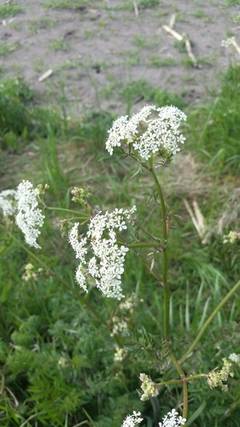
Small umbels of tiny white flowers appear when temperatures exceed 70°F (21°C). Flowering signals the end of useful leaf harvest since the leaf flavor turns bitter at that stage. The species bolts quickly in heat, so succession sowing every 2-3 weeks across the cool months extends the supply across the spring window before sustained heat shuts down production for the season.
Detailed Descriptions
Flower Description
White tiny flowers carried in small umbels when temperatures exceed 70°F (21°C); flowering signals the end of useful leaf harvest since the leaf flavor turns bitter once flowering beginsFoliage Description
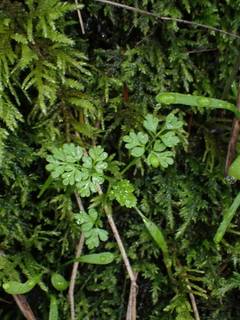
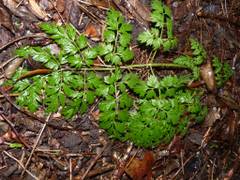
Bright green narrowly divided fern-like leaves with a delicate lacy texture; the leaves are softer and more lacy than parsley foliageGrowing Conditions
Sun Requirements
Requires 3-6 hours of direct sunlight daily
• Full Sun: 6+ hours of direct sunlight
• Partial Shade: 3-6 hours of direct sunlight
• Full Shade: Less than 3 hours of direct sunlight
Care & Maintenance
Care Guide
Direct sow in early spring as soon as the soil is workable, or in late summer for fall harvest. Does not transplant well — direct-sown seed gives the most reliable stand because the taproot is sensitive to disturbance. Grows in part shade in moist humus-rich soil at pH 6.0-7.0. Cool-season herb that bolts quickly above 70°F (21°C). Succession sow every 2-3 weeks across the cool months for continuous supply. Days to maturity 40-60 from direct sow. The leaves are used fresh since the flavor diminishes with drying or extended cooking — add chervil at the end of cooking to preserve the volatile aromatic compounds.Pruning
Harvest outer leaves regularly, leaving the center to continue growing for cut-and-come-again production across the cool season. Cut the entire plant at 2 inches (5 cm) for a final harvest before bolting begins. Allow some plants to flower and self-seed for the next generation in shaded garden corners.Container Growing
Suitable for container growing
Minimum container size: 2 gallons