Image 1 of 10
1 / 10
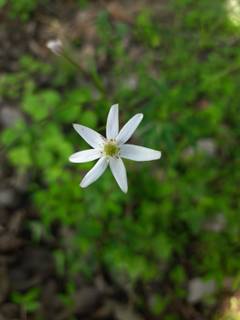
© Mike B. (iNaturalist user taco2000), some rights reserved (CC-BY-SA) · Wikimedia Commons
Anemone, Genus, berlandieri, Species,
- Genus & species
tenpetal anemone
South-central and southeastern United States
Overview
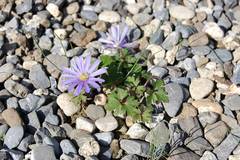
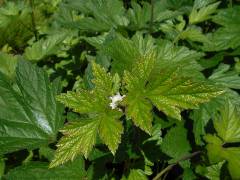
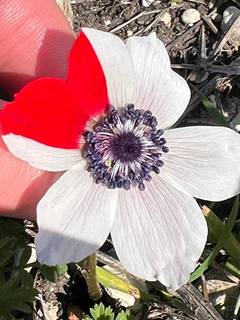
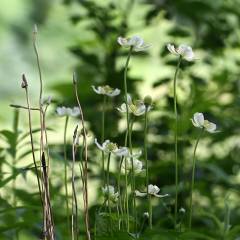
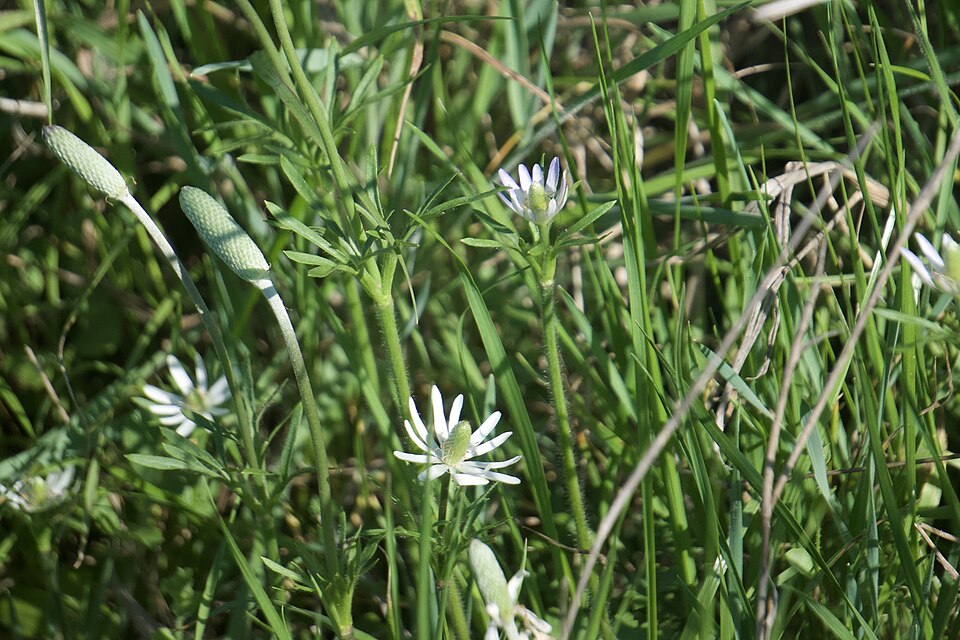
Anemone berlandieri is a tuberous spring perennial of the south-central and southeastern United States, growing 4-16 inches (10-40 cm) tall from a small underground tuber. Basal leaves are divided into three lobed, toothed segments and appear in late winter. Each stem bears a single flower 0.75-1.5 inches (2-4 cm) wide with 10 to 20 narrow petal-like sepals in white, pink, lavender, or blue-purple, opening on sunny days from February to April. After flowering, the center elongates into a thimble-shaped seed head 0.5-1 inch (1.3-2.5 cm) long that releases woolly seeds. The plant grows in prairies, open woods, and rocky glades, going dormant by early summer as the tuber rests through heat and drought. The short bloom season and summer dormancy leave bare ground for much of the year. All parts contain protoanemonin and are toxic if eaten.
Native Range
Native to the south-central and southeastern United States, from Kansas and Texas east to Florida and the Carolinas, in prairies and open woodlands.Suggested Uses
Used in rock gardens, prairie plantings, and naturalized lawns where spring bulbs are grown. The early flowers fill the gap before summer perennials emerge. It combines with other spring ephemerals that tolerate summer dryness.How to Identify
Appearance
Size & Dimensions
Height4" - 1'4"
Width/Spread4" - 8"
Bloom Information
Flowers open from February to April, one per stem, unfolding on sunny days and closing in dull weather. Colors range across white, pink, lavender, and blue-purple within a single population. Each plant blooms over 2-4 weeks before setting seed.
Detailed Descriptions
Flower Description
white, pink, lavender, or blue-purpleFoliage Description
greenGrowing Conditions
Sun Requirements
Requires 4-10 hours of direct sunlight daily
• Full Sun: 6+ hours of direct sunlight
• Partial Shade: 3-6 hours of direct sunlight
• Full Shade: Less than 3 hours of direct sunlight
Care & Maintenance
Care Guide
Grows in full sun to part shade in well-drained sandy, loamy, or rocky soils with a pH of 6.0-8.0. The tuber requires dry rest in summer and rots in soils kept moist during dormancy. Established plants need no irrigation, drawing on winter and spring rains. Foliage yellows and disappears by early summer, marking normal dormancy rather than decline. Hardy in USDA zones 5-9. Few pests affect it, though excess moisture causes tuber rot.Pruning
Spent flower stems are left to ripen seed or removed to limit self-sowing. Yellowing foliage is allowed to die back fully before it is cleared. No other pruning is needed.Pruning Schedule
Prune: May
late spring