Image 1 of 12
1 / 12
Plant Reference
Anemone, Genus, blanda, Species,
- Genus & species
windflower
Overview
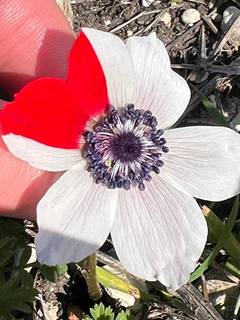
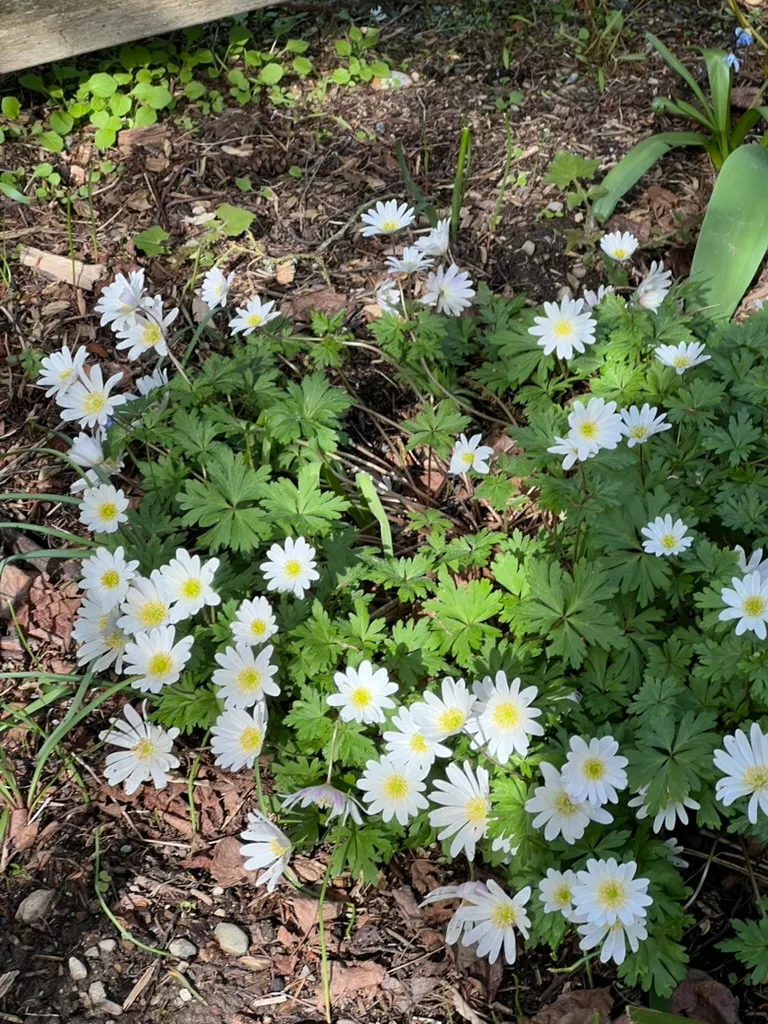
Anemone blanda is a low tuberous perennial in the buttercup family, standing just 4-6 inches (10-15 cm) tall and spreading slowly into colonies from knobby brown tubers under an inch (about 2-3 cm) across. Each plant carries deeply cut, ferny basal leaves of three main segments, themselves lobed and toothed, in medium green. Solitary daisy-like flowers, 1.5-2 inches (4-5 cm) wide, sit just above a collar of three divided bracts; they carry 10-15 slender tepals in blue-violet, pink, or white around a center of yellow stamens. The flowers shut at night and under heavy cloud. By early summer the foliage yellows and the plant retreats underground, dormant until the following spring. Over four to six years, self-sown seedlings and offset tubers knit the planting into a carpet. The low stature and summer dormancy mean it reads as a fleeting spring carpet rather than a season-long presence, and it disappears from view entirely once the leaves die back.
Native Range
Native to southeastern Europe and the eastern Mediterranean, including Greece, Turkey, and the Levant, where it grows on rocky slopes and woodland edges that are damp in winter and spring and bake dry in summer, from about 300 to 5,000 feet (90-1,500 m).Suggested Uses
Set tubers 3-4 inches (8-10 cm) apart beneath deciduous trees and shrubs, in woodland plantings, or in rock gardens where spring light reaches the soil; colonies fill in over three to four years. It will not hold under evergreen shade or in beds watered through summer. Left to seed, it spreads on its own.How to Identify
Appearance
Size & Dimensions
Height4" - 6"
Width/Spread4" - 6"
Bloom Information
Flowers open from March into May, as early as late February in mild zones 7-9, with each planting in color for four to six weeks. Cool weather below 60°F (16°C) stretches individual blooms to one to two weeks, while spells above 65°F (18°C) cut them to five to seven days. In a naturalized stand, staggered emergence widens the window by a week or two.
Detailed Descriptions
Flower Description
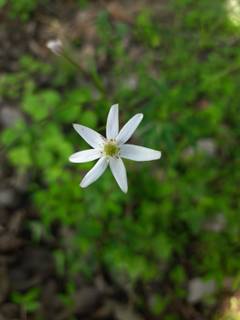
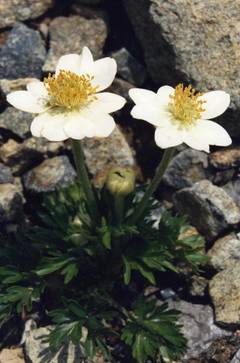
Blue-purple, pink, or white daisy-like flowers with 10–15 narrow tepals surrounding yellow stamensFoliage Description
Medium green, deeply divided into 3 primary segments with narrow toothed lobesGrowing Conditions
Sun Requirements
Requires 4-8 hours of direct sunlight daily
• Full Sun: 6+ hours of direct sunlight
• Partial Shade: 3-6 hours of direct sunlight
• Full Shade: Less than 3 hours of direct sunlight
Care & Maintenance
Care Guide
Soak the dry tubers for 12-24 hours, then plant them 2-3 inches (5-8 cm) deep in autumn in free-draining soil, knobby side down, laying irregular ones on their side. Keep the soil evenly moist from autumn through spring bloom. As the leaves yellow in late spring, taper off water; the tubers need dry to barely-moist conditions through their summer rest. Skip summer irrigation where they sit under deciduous trees. In zone 4, a 2-3 inch (5-8 cm) winter mulch after the ground freezes carries them through.Pruning
No pruning is needed. Let the leaves yellow and wither on their own, since cutting green foliage early starves the tuber. Spent flowers can stay to drop seed and thicken the colony. The dead growth vanishes by early summer without help, and crowded clumps can be lifted and split during dormancy after eight to ten years.Container Growing
Suitable for container growing
Minimum container size: 2 gallons