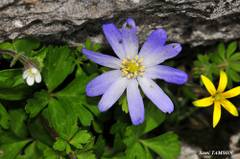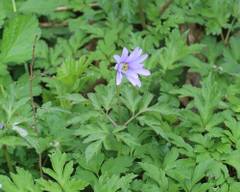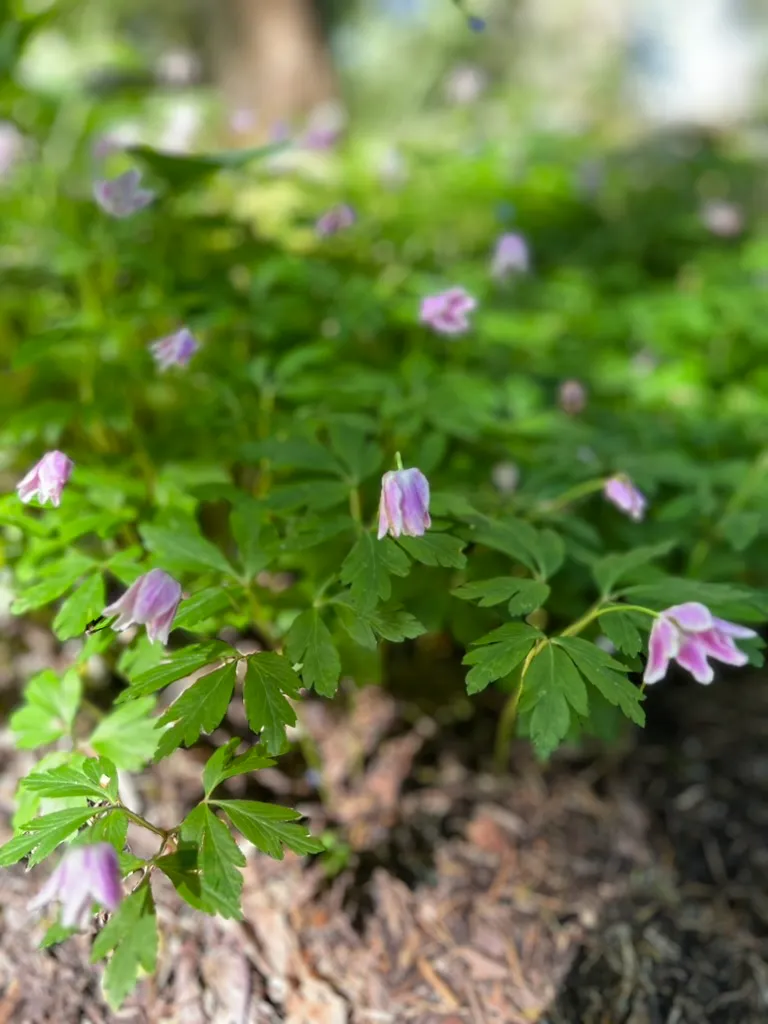
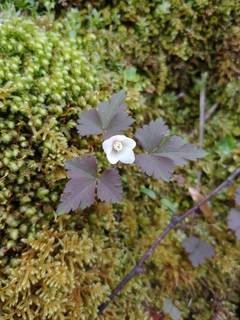
Anemone nemorosa, wood anemone
1 / 5
Perennials

Anemone nemorosa

wood anemone

RanunculaceaeEurope, western Asia

At a Glance

TypePerennial
HabitSpreading
FoliageDeciduous
Height3-9 inches (8-23 cm)
Width12-24 inches (30-60 cm)
Maturity3 years

Growing Zones

USDA Hardiness Zones

4 - 8
Zone 4
Zone 5
Zone 6
Zone 7
Zone 8
These zones indicate the coldest temperatures this plant can typically survive.
Frost Tolerancehardy

Key Features

Attracts Pollinators
Deer Resistant
Maintenancelow

Overview

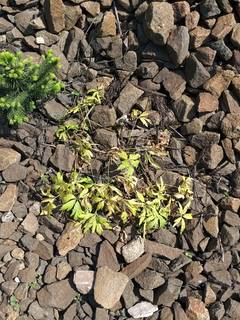
A rhizomatous herbaceous perennial growing 3-6 inches (8-15 cm) tall at bloom, occasionally reaching 9 inches (23 cm) in rich conditions, and spreading slowly to form colonies 12-24 inches (30-60 cm) across over several years. Leaves are palmate to ternately compound, divided into three main segments, each deeply lobed and toothed, dark green, 1-3 inches (2.5-8 cm) across, produced in a whorl of three at mid-stem. Basal leaves emerge separately from creeping rhizomes. Flowers are solitary, borne on slender stems, 1-1.5 inches (2.5-4 cm) across, composed of 6-8 petal-like sepals (no true petals), typically white, occasionally flushed pink or pale blue-purple on the reverse. Flower centers are yellow with numerous stamens. Flowers close at night and in rain. Plants emerge in early spring, flower for 3-4 weeks, and go dormant by midsummer as deciduous tree canopy leafs out. Rhizomes spread approximately 3-6 inches (8-15 cm) per year. Presence in a location is used as an indicator of ancient woodland in the native European range. All parts are toxic if ingested due to protoanemonin content.

Native Range

Native to Europe from the British Isles and Scandinavia east through Russia, and extending to western Asia. Found in deciduous and mixed woodlands, hedgerows, and shaded banks on moist, humus-rich soils. Commonly grows at low to moderate elevations under oak, ash, beech, and hazel canopy.

Suggested Uses

Planted under deciduous trees and shrubs at 6-9 inch (15-23 cm) spacing, where the summer dormancy cycle aligns with canopy closure. Naturalizes in woodland gardens and along shaded paths. Not suited to full-sun borders or dry sites; plants decline and fail to return where summer soil moisture is consistently low.

How to Identify

Recognized by solitary white flowers 1-1.5 inches (2.5-4 cm) across with 6-8 petal-like sepals and a whorl of three deeply lobed, palmate leaves at mid-stem. Pink or pale blue-purple flush is often visible on the outside of the sepals. The plant goes dormant by early summer, leaving no trace above ground. Distinguished from Anemone blanda by smaller, fewer-petaled flowers and woodland rather than open rocky habitat preference.

Appearance

Size & Dimensions

Height3" - 9"
Width/Spread1' - 2'

Reaches mature size in approximately 3 years

Colors

Flower Colors

white
pink

Foliage Colors

green

Fall Foliage Colors

no change

Bloom Information

Bloom Period

~4 weeks
J
F
M
A
M
J
J
A
S
O
N
D
Spring
Early spring, typically March to May in zones 5-8 depending on elevation and local conditions. Flowering begins as soon as 2-3 weeks after snowmelt and lasts 3-4 weeks per colony. Flowers close at night and in overcast conditions. Plants growing under dense canopy flower earlier in spring before canopy closure reduces light levels.

Detailed Descriptions

Flower Description

White, occasionally flushed pink or pale blue-purple on reverse

Foliage Description

Dark green, palmate, deeply lobed; dies back by midsummer

Growing Conditions

Sun Requirements

Partial Shade
Full Shade
Requires 1-4 hours of direct sunlight daily
• Full Sun: 6+ hours of direct sunlight
• Partial Shade: 3-6 hours of direct sunlight
• Full Shade: Less than 3 hours of direct sunlight
Soil Requirements

pH Range5.5 - 7.0(Neutral)
357912
Soil Types
loampeat
Drainage
moist

Water & Climate

Water Needs

Medium

Frost Tolerance

hardy

Time to Maturity

2-3 years

Care & Maintenance

Care Guide

Plant rhizomes horizontally 1-2 inches (2.5-5 cm) deep in autumn in moist, humus-rich, well-drained soil. Water during establishment; once growing in suitable conditions, plants are largely self-sustaining where annual leaf litter provides mulch. Foliage dies back completely by midsummer; interplanting with summer-dormant companions prevents gaps. Division in early autumn every 5-8 years maintains vigor; rhizomes are brittle and fragment easily during handling. Slugs feed on emerging foliage in spring; remove by hand or apply iron-phosphate bait. Wear gloves when handling, as the sap contains protoanemonin which causes skin irritation in some individuals.

Pruning

No pruning is required. Allow foliage to die back naturally in early summer; cutting foliage before it yellows reduces energy stored in rhizomes and may weaken flowering in subsequent years. Remove spent flower heads if seed dispersal is not desired; the plant self-seeds modestly in suitable woodland conditions.

Maintenance Level

low

⚠️ Toxicity Warning

Toxic to pets and humans
Anemone nemorosa (wood anemone) - Identification & Care Guide | PlantRef