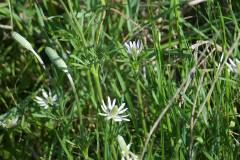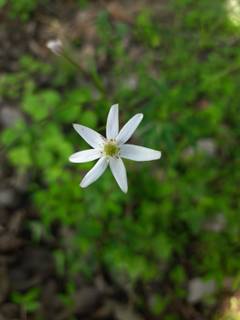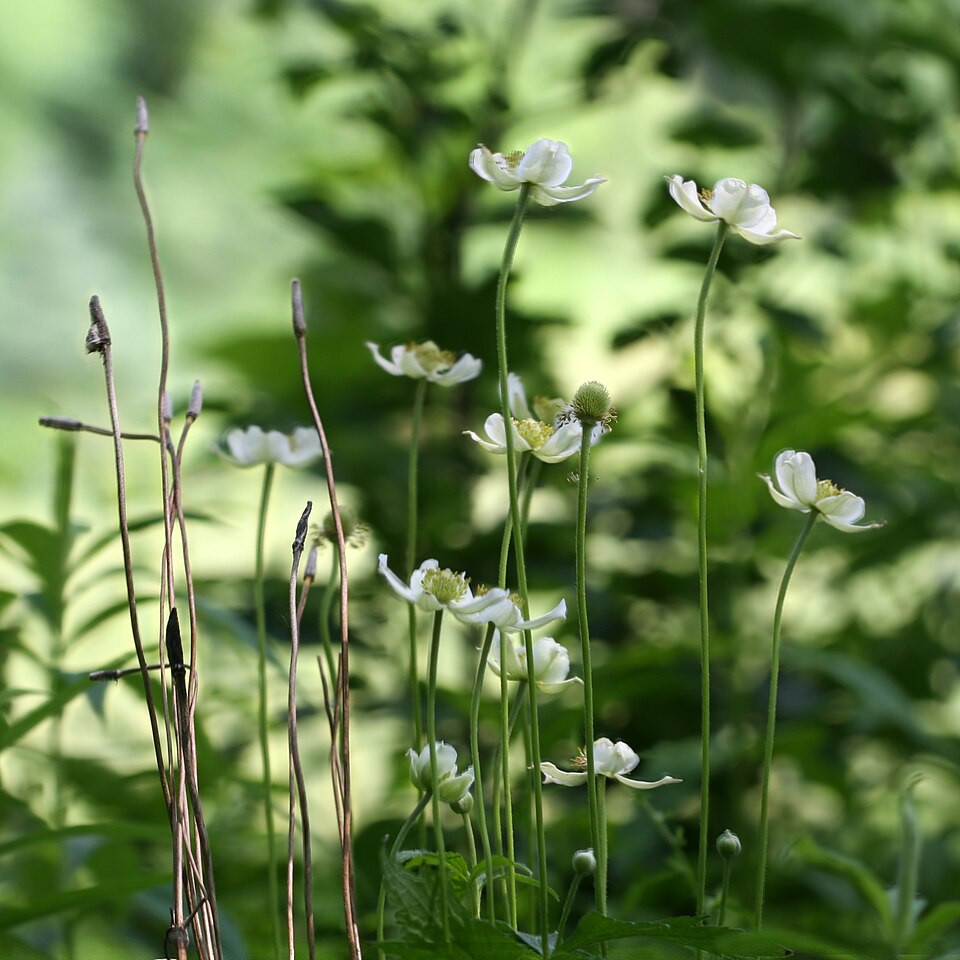
Anemone, Genus, spp., Multiple species,
- Genus
- Multiple species
anemones and thimbleweeds
Temperate regions of both hemispheres
Overview
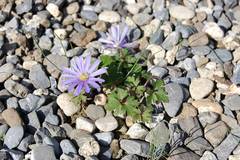
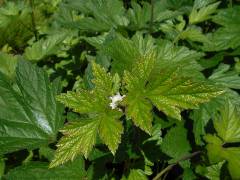
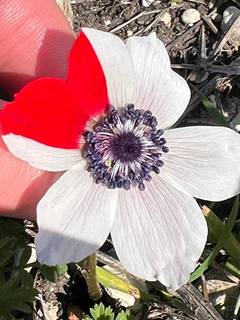
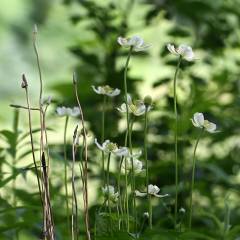
Anemone is a genus of more than 100 perennials in the buttercup family (Ranunculaceae), spread across temperate regions of both hemispheres, with the greatest variety in the Northern Hemisphere. Plants grow from rhizomes, tubers, or fibrous roots and range from low woodland carpeters a few inches high to upright border plants 4 ft (1.2 m) tall. The leaves are usually divided or lobed and often deeply cut, gathered at the base and in a whorl below the flowers. The flowers have no true petals; instead 5 to 20 petal-like sepals open in white, pink, blue, purple, red, or yellow, often around a central boss of stamens, and are followed by rounded or cottony seed heads. Different species bloom in spring, summer, or autumn, so the genus as a whole flowers across much of the year. All parts contain protoanemonin and are poisonous if eaten, and the sap can irritate the skin. The genus ranges from drought-tolerant tuberous species of dry hills to damp-ground woodlanders, so growing needs differ widely between species.
Native Range
Native to temperate zones around the world, including Europe, Asia, North America, and parts of the Southern Hemisphere, in habitats from alpine meadows and open woodland to grassland and dry hillsides. Familiar species include the European wood anemone A. nemorosa and the autumn-flowering Japanese anemones derived from A. hupehensis.Suggested Uses
Used in woodland gardens, rock gardens, mixed borders, and naturalized drifts, with spring species for early colour and Japanese anemones for late-season flowers. Tuberous florists' anemones are also grown for cut flowers. The wide range of forms suits sites from shady woodland to sunny borders, with species chosen to match the conditions.How to Identify
Appearance
Size & Dimensions
Height3" - 4'
Width/Spread6" - 3'
Bloom Information
Bloom time depends on the species: spring anemones flower from February to May, summer kinds in June and July, and Japanese anemones from late summer into autumn (August-October). Most flowers open in sun and are visited by bees and other insects. Many species form cottony or rounded seed heads after the sepals drop.
Detailed Descriptions
Flower Description
White, pink, blue, purple, red, or yellowFoliage Description
GreenGrowing Conditions
Sun Requirements
Requires 3-8 hours of direct sunlight daily
• Full Sun: 6+ hours of direct sunlight
• Partial Shade: 3-6 hours of direct sunlight
• Full Shade: Less than 3 hours of direct sunlight
Care & Maintenance
Care Guide
Growing needs vary by type: spring and woodland species suit part shade and humus-rich, moisture-retentive soil, while tuberous and autumn-flowering kinds take more sun and tolerate drier ground. Most prefer well-drained soil and resent waterlogging in winter. Hardiness ranges widely, with many species growing in USDA zones 4-8 and tender tuberous types limited to milder zones. Spring species often die back and go dormant by summer, while autumn kinds hold their foliage until frost. All parts are poisonous if eaten, and the sap can irritate the skin. Tuberous species are soaked and planted in autumn or spring, and clumps of spreading kinds are divided when crowded.Pruning
Spent flower stems are cut back after bloom, and tatty foliage is removed as spring species go dormant. Autumn-flowering kinds are cut to the ground in late autumn or winter once frost has finished them. Spreading rhizomatous species are dug back at the edges to control their advance.Container Growing
Suitable for container growing
Minimum container size: 2 gallons