Andropogon, Genus, ternarius, Species,
- Genus & species
splitbeard bluestem
Southeastern United States — from Delaware south to Florida and west to Texas, in dry sandy woodlands
Overview
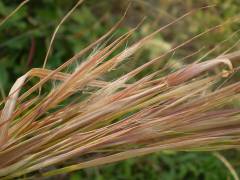
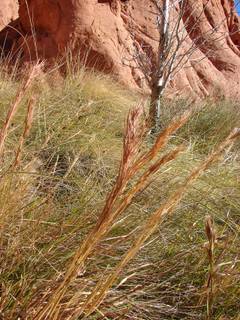
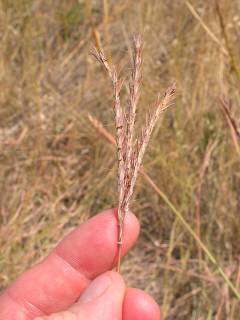
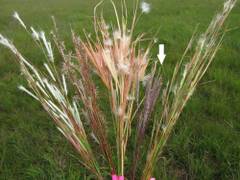
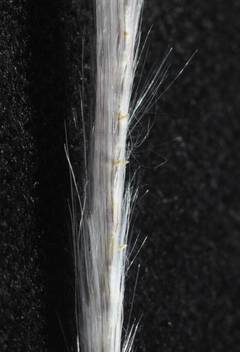
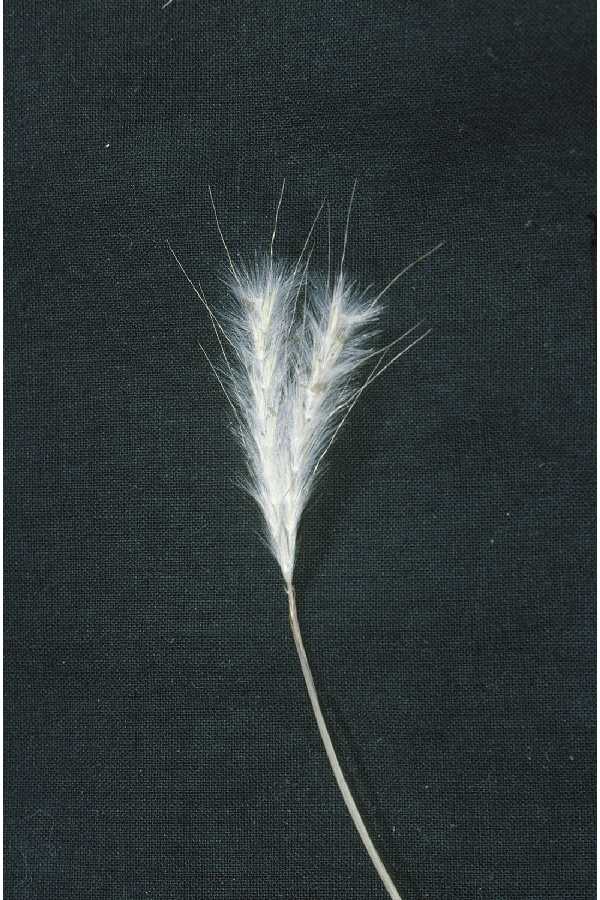
Andropogon ternarius is splitbeard bluestem — a southeastern native grass with the most ornamental seed display of any bluestem, growing 24–48 inches (60–120 cm) tall and 18–24 inches (45–60 cm) wide. The species name 'ternarius' means 'in threes', describing the paired (sometimes three) seed head branches at each node. The common name 'splitbeard' describes the fluffy silvery-white seed awns that split apart as they mature — each pair of seed heads opening like a tiny silver fan. The fluffy silver catches autumn and winter light dramatically, creating a glowing, ethereal effect. Blue-green foliage turns orange-copper in fall. The dry sandy woodland origin means sharp drainage and lean, acidic soil are essential — this species thrives in poor, sandy conditions where richer-soil grasses fail. Warm-season grass. Hardy to zone 5.
Native Range
Andropogon ternarius is native to the southeastern United States — from Delaware south to Florida and west to Texas, in dry sandy woodlands.Suggested Uses
Used in sandy-soil gardens, naturalized dry woodlands, and as a fall/winter silver accent. The most ornamental seed display of any native bluestem. For poor, sandy, acidic soil where other grasses struggle.How to Identify
Appearance
Size & Dimensions
Height2' - 4'
Width/Spread1'6" - 2'
Colors
Bloom Information
Seed heads from September through November. The fluffy silver split seed heads backlit in autumn are the spectacle.
Detailed Descriptions
Flower Description
Fluffy silvery-white paired seed heads that split apart (the 'splitbeard')Foliage Description
Blue-green in summer, turning orange-copper in fallGrowing Conditions
Sun Requirements
Requires 6-12 hours of direct sunlight daily
• Full Sun: 6+ hours of direct sunlight
• Partial Shade: 3-6 hours of direct sunlight
• Full Shade: Less than 3 hours of direct sunlight
Care & Maintenance
Care Guide
Plant in full sun. Dry, sandy, acidic, well-drained soil. Not suited to clay, wet, or alkaline conditions. Drought-tolerant. Hardy to zone 5.Pruning
Leave standing through winter for silver seed display. Cut to 4 inches in late February–March.Pruning Schedule
Prune: February–March
early spring