Andropogon, Genus, virginicus, Species,
- Genus & species
broomsedge bluestem
Eastern North America, from New England south to Florida and west to Texas and Kansas
Overview
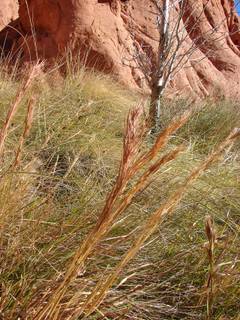
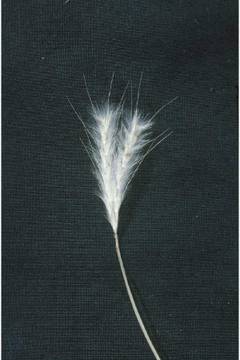
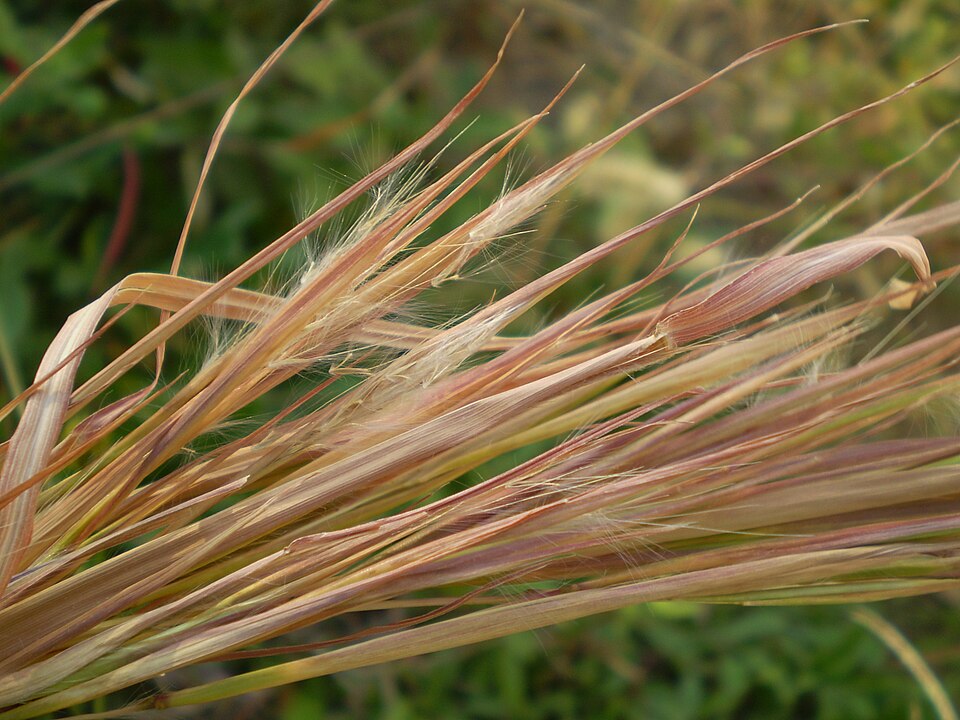
Andropogon virginicus is a warm-season clump-forming perennial grass in the family Poaceae growing 24-48 inches (60-120 cm) tall and 12-18 inches (30-45 cm) wide. Blue-green leaf blades 0.25 inch (6 mm) wide emerge in late spring and grow upright through summer. In late summer, inconspicuous spikelets appear among the upper leaf sheaths, followed by fluffy silver-white seed heads that catch light in fall and winter. The primary ornamental value is the fall and winter color: foliage turns copper-orange to bronze after frost and persists upright through winter, giving vertical structure and warm tones in the dormant landscape. The species colonizes disturbed ground, old fields, and infertile soils across its native range. It thrives in poor acidic soils where many other grasses and perennials struggle, suited to erosion control on difficult sites. In fertile irrigated garden conditions, self-sowing can be aggressive, and the plant may produce weedy colonies if seed dispersal is not managed. The foliage gives cover and nesting material for ground-nesting birds and overwintering insects. As a warm-season grass, it breaks dormancy late in spring and does not begin active growth until soil temperatures exceed 60°F (16°C).
Native Range
Andropogon virginicus is native to eastern North America, ranging from Massachusetts and New York south through Florida and west to Texas and Kansas. It is a common component of old-field succession, growing on roadsides, abandoned agricultural land, and open woodlands, especially on acidic, infertile soils.Suggested Uses
Used in native meadow restorations, naturalistic plantings, and erosion control on poor soils. The fall and winter color suits seasonal interest plantings alongside other native grasses and perennials. Suited to rain gardens, roadside plantings, and sites with infertile acidic soils. Not recommended for irrigated fertile garden beds where self-sowing can become invasive.How to Identify
Appearance
Size & Dimensions
Height2' - 4'
Width/Spread1' - 1'6"
Bloom Information
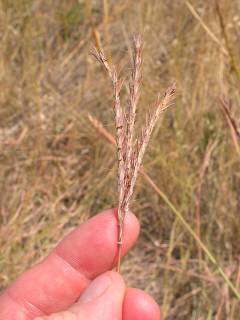
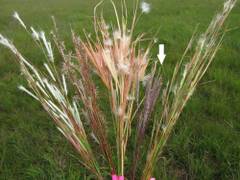
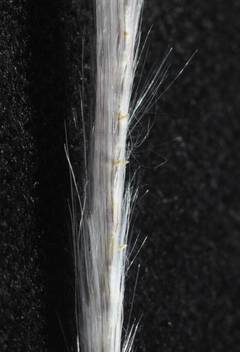
Inconspicuous spikelets appear within spathe bracts along the upper stems from August through October. Silver-white fluffy seed heads emerge from the bracts in fall and persist through winter, catching light and creating a luminous effect in low-angle sun. The ornamental peak is September through February when the copper-bronze foliage and silver seed heads are most visible.
Detailed Descriptions
Flower Description
Silver-white fluffy seed heads emerging from spathe bracts; inconspicuous spikeletsFoliage Description
Blue-green in summer, turning copper-orange to bronze in fall; narrow blade 0.25 inch (6 mm) wide; deciduousGrowing Conditions
Sun Requirements
Requires 6-12 hours of direct sunlight daily
• Full Sun: 6+ hours of direct sunlight
• Partial Shade: 3-6 hours of direct sunlight
• Full Shade: Less than 3 hours of direct sunlight
Care & Maintenance
Care Guide
Sited in full sun with at least 6 hours of direct light. Tolerates a wide range of soils, including poor acidic and infertile ground where other plants struggle. Fertilization is not used; fertile conditions promote excess self-sowing and rank growth. Watered during establishment only; drought-tolerant once roots are developed. Cut all growth to 3-4 inches (8-10 cm) above ground in late February or early March before new spring growth begins. Self-sown seedlings are removed promptly if spread is unwanted.Pruning
All standing stems and seed heads are left through winter for wildlife habitat and visual interest. The entire clump is cut to 3-4 inches (8-10 cm) above ground in late winter before new growth emerges. No other pruning is required during the growing season.Pruning Schedule
Prune: February–March
early spring