Anchusa, Genus, spp., Multiple species,
- Genus
- Multiple species
alkanets
Europe, North Africa, and western Asia
Overview
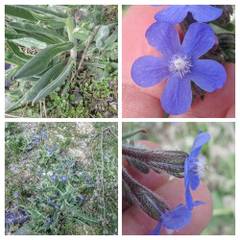
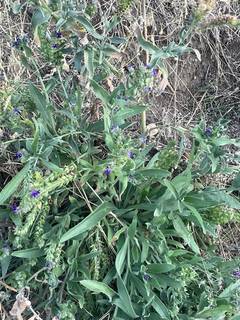
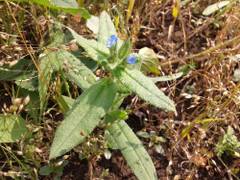
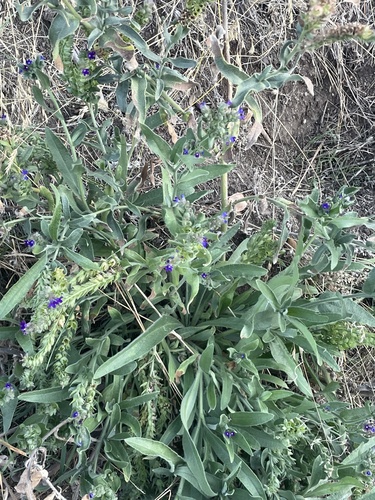
Anchusa is a genus of about 35 bristly-haired annuals, biennials, and perennials in the borage family, Boraginaceae, native to Europe, North Africa, and western Asia. Plants form basal rosettes of rough, lance-shaped leaves and send up branched stems 12-60 inches (30-150 cm) tall, the height depending on species. From late spring into summer the stems carry coiled clusters of small five-lobed flowers, usually in intense blue or azure and occasionally purple or white, resembling oversized forget-me-nots. The perennial A. azurea is the species most often grown in gardens, while A. officinalis is a biennial and A. capensis is treated as an annual or biennial. The roots of some species yield a red dye known as alkanet. Plants are short-lived, often flopping without support, and self-seed freely, so they can spread beyond where they are planted. The bristly foliage and stems can irritate skin.
Native Range
Europe, North Africa, and western Asia, including the Mediterranean region, where species grow in open fields, roadsides, sandy ground, and rocky slopes.Suggested Uses
Anchusa is grown in borders, cottage gardens, gravel gardens, and wildflower plantings for its blue summer flowers, which draw bees. Lower-growing annual species are used for bedding and containers, and cut stems are used in informal arrangements.How to Identify
Appearance
Size & Dimensions
Height1' - 5'
Width/Spread1' - 2'
Bloom Information
Flowering runs from late spring into summer, with the main display in early summer. The small blue flowers open in succession along coiled clusters that unfurl as they bloom, drawing bees and other pollinators. Cutting back the first flush of perennial species can bring a lighter second flush later in the season.
Detailed Descriptions
Flower Description
Blue or azure, occasionally purple or whiteFoliage Description
Green to grey-greenGrowing Conditions
Sun Requirements
Requires 6-12 hours of direct sunlight daily
• Full Sun: 6+ hours of direct sunlight
• Partial Shade: 3-6 hours of direct sunlight
• Full Shade: Less than 3 hours of direct sunlight
Care & Maintenance
Care Guide
Anchusa grows in full sun and light, free-draining soil, and tolerates poor, sandy, and dry ground once established. Rich, moist soils produce lush growth that flops and shortens the life of the plant. Perennial species have deep, brittle taproots that are easily damaged by disturbance and are propagated from root cuttings rather than division. Tall types often need staking, and cutting plants back after the first bloom limits self-seeding. Most are hardy, with A. azurea growing in USDA zones 3 to 8.Pruning
Spent flower stems are cut back after the first flush to limit self-seeding and to encourage a second, lighter bloom. Foliage of perennial species is cut to the ground in late autumn or winter once it dies down.Container Growing
Suitable for container growing
Minimum container size: 2 gallons