Amelanchier, Genus, utahensis, Species,
- Genus & species
Utah serviceberry
Western United States and northern Mexico
Overview
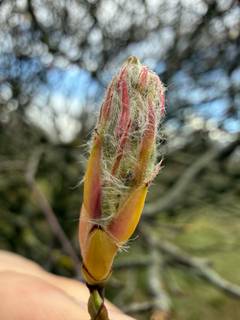
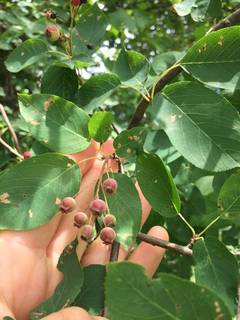
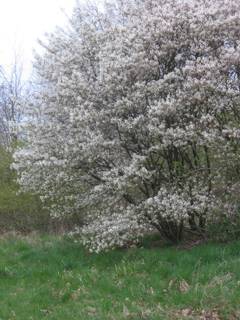
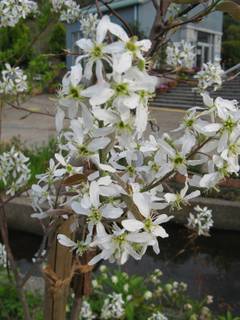
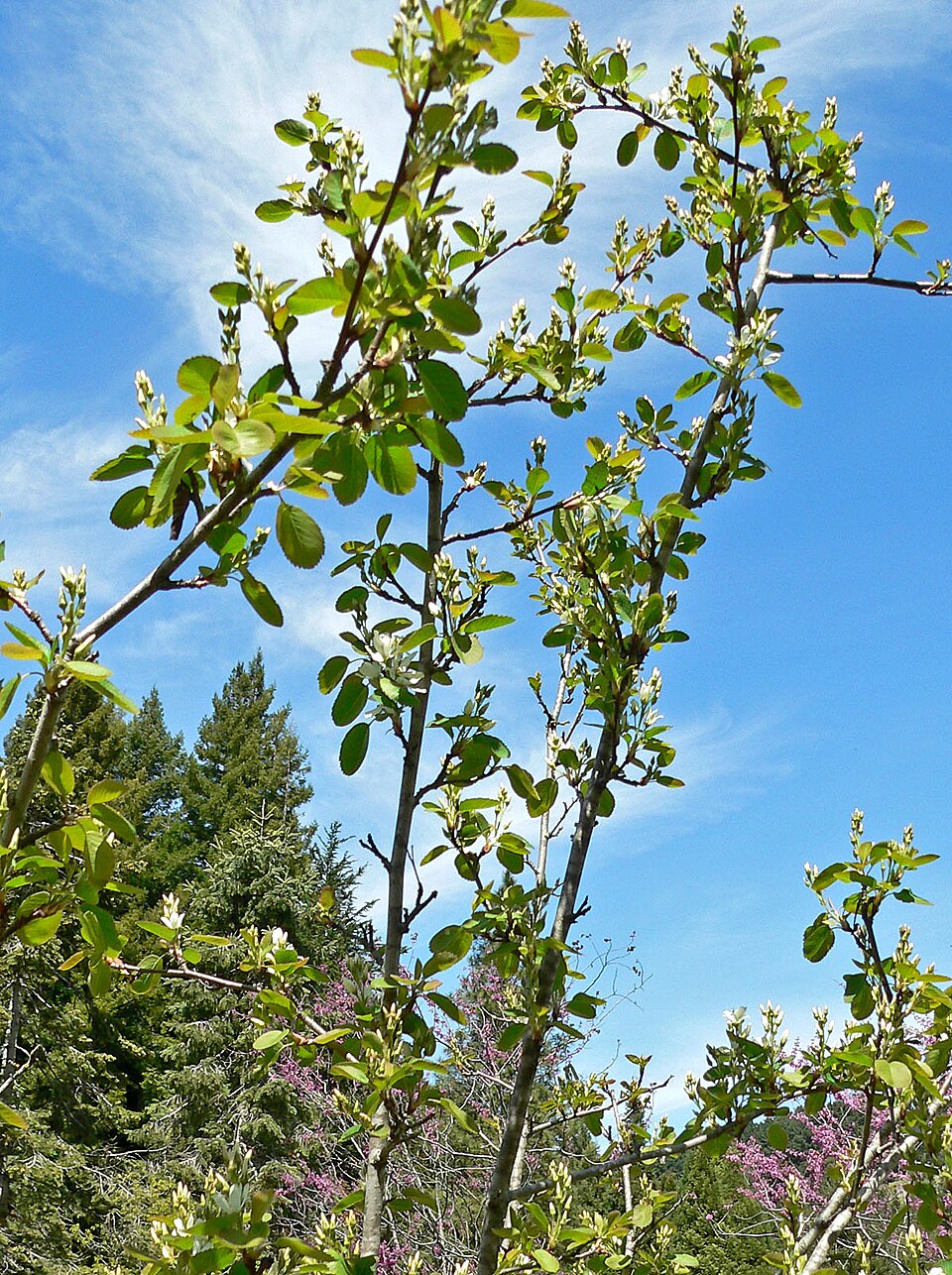
Amelanchier utahensis is a deciduous shrub or small tree of the western United States, reaching 3-15 feet (0.9-4.6 m) tall with an upright, multi-stemmed, rounded form. Oval to round leaves 0.5-1.5 inches (1.3-3.8 cm) long are gray-green and softly hairy, with toothed edges on the upper half, turning yellow to orange before dropping in fall. Clusters of small white flowers, each with five narrow petals, open in spring as the leaves expand. The flowers give way to round berry-like pomes 0.25-0.4 inch (6-10 mm) across that ripen from red to purple-black in summer, sweet and eaten fresh or dried. The bark is smooth and gray on young stems, roughening with age. It is hardy in USDA zones 4-8 and tolerates drought, cold, and rocky, alkaline soils. Plants sucker from the base and form thickets in time. Fruiting is uneven from year to year, and the shrub can host rust diseases shared with junipers.
Native Range
Amelanchier utahensis is native to the western United States and northern Mexico, from Oregon and California east to Colorado and New Mexico and south into the mountains of northern Mexico. It grows on dry slopes, canyons, foothills, and pinyon-juniper and chaparral zones from 3,000 to 9,000 feet (900 to 2,700 m).Suggested Uses
Used in native, wildlife, and dry-climate gardens, on banks and slopes for erosion control, and in restoration of foothill and mountain habitat. The spring flowers draw pollinators and the summer fruit feeds birds, mammals, and people.How to Identify
Appearance
Size & Dimensions
Height3' - 15'
Width/Spread3' - 12'
Bloom Information
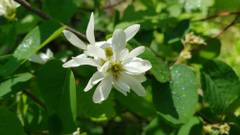
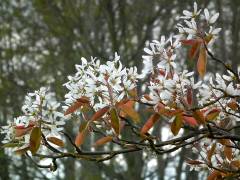
White flowers open in clusters from April through May as new leaves expand. Each flower has five narrow petals around a cluster of stamens. Bees and other insects work the blooms, and pollinated flowers set fruit that ripens by midsummer.
Detailed Descriptions
Foliage Description
gray-greenGrowing Conditions
Sun Requirements
Requires 5-10 hours of direct sunlight daily
• Full Sun: 6+ hours of direct sunlight
• Partial Shade: 3-6 hours of direct sunlight
• Full Shade: Less than 3 hours of direct sunlight
Care & Maintenance
Care Guide
Grows in full sun to part shade on dry, rocky, well-drained soils, including alkaline and low-nutrient ground. Established plants are drought tolerant and need little summer water. A soil pH of 6.0-8.0 suits the species across its wide range. Cold hardiness extends well below zero, fitting mountain and high-desert climates. Plants sucker from the roots and can be left to form a thicket or thinned to a few stems. Rust diseases that alternate between serviceberry and juniper can spot leaves and fruit in wet springs.Pruning
Late-winter dormant-season pruning removes dead, crossing, or weak stems. Suckers can be cut at ground level to limit spread or kept to build a thicket. Old multi-stem plants respond to renewal pruning that removes the oldest stems over several years.Pruning Schedule
Prune: February–March
winterearly spring