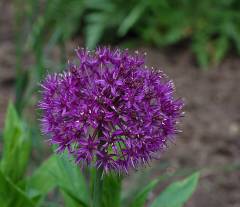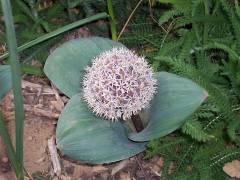
Allium, Genus, sphaerocephalon, Species,
- Genus & species
drumstick allium
Overview
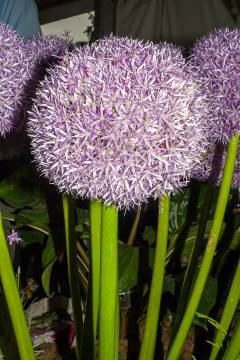
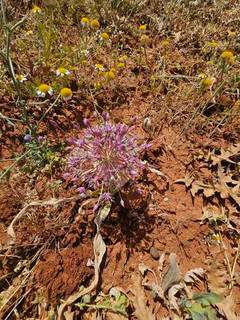
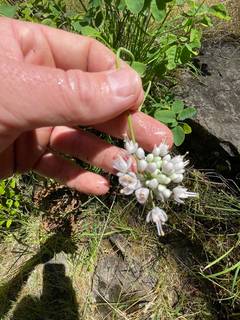
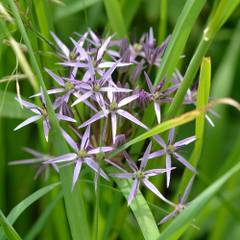
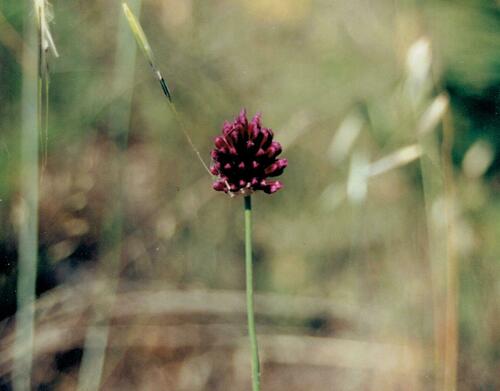
Allium sphaerocephalon is a slender bulbous perennial reaching 18–30 inches (45–75 cm) tall and 4–6 inches (10–15 cm) wide, growing from a small, round bulb 0.5–0.75 inch (1.3–2 cm) in diameter. Leaves are semi-cylindrical and hollow, 8–14 inches (20–35 cm) long, dying back before or during bloom. Flower heads are ovoid to egg-shaped (not truly spherical despite the name), 1–1.5 inches (2.5–4 cm) long and 1 inch (2.5 cm) across, carried on slender, wiry stems. Flowers open green at the base of the head and mature to deep burgundy-purple from the top downward, creating a two-toned effect for 1–2 weeks during the transition. Bloom occurs June through July. Individual heads last 2–3 weeks. Plants produce small bulbils at the base that increase colony density over 2–3 years. Self-seeding is moderate in open soils. The narrow profile and slender stems allow this species to weave through adjacent perennials without competing for space. Bulbs rot in wet winter or summer soils. Stems may lean in shaded conditions or rich soils.
Native Range
Native to Europe, North Africa, and western Asia, from the British Isles east to Iran and south to Morocco. Found in dry grasslands, rocky slopes, and calcareous meadows from sea level to 6,500 feet (2,000 m) elevation.Suggested Uses
Commonly planted in perennial borders, gravel gardens, and meadow-style plantings at 3–4 inch (8–10 cm) spacing in groups of 20–50. Slender profile allows interplanting among established perennials and ornamental grasses. Not suited to irrigated summer beds, heavy clay, or deeply shaded sites.How to Identify
Appearance
Size & Dimensions
Height1'6" - 2'6"
Width/Spread4" - 6"
Bloom Information
Flowers June through July in zones 4–8, approximately 2–4 weeks after A. hollandicum. Individual heads last 2–3 weeks. The green-to-burgundy color transition occurs over 7–10 days. In zone 8, bloom may begin in late May.
Detailed Descriptions
Flower Description
Green aging to deep burgundy-purpleFoliage Description
Green, semi-cylindrical, hollowGrowing Conditions
Sun Requirements
Requires 6-12 hours of direct sunlight daily
• Full Sun: 6+ hours of direct sunlight
• Partial Shade: 3-6 hours of direct sunlight
• Full Shade: Less than 3 hours of direct sunlight
Care & Maintenance
Care Guide
Plant bulbs 3–4 inches (8–10 cm) deep in fall in well-drained soil at 3–4 inch (8–10 cm) spacing. Bulbs require dry conditions during summer dormancy and rot in heavy clay or irrigated beds. Water during active spring growth; withhold after foliage yellows. No fertilization is needed. Bulbils increase colony density over time. Self-seeding is moderate; remove spent heads to limit spread or allow naturalization. Stems lean in shade or overly fertile soils.Pruning
Allow foliage to die back naturally. Dried flower heads can be left for summer interest or removed in August. No other pruning required.Pruning Schedule
Prune: August
summer
Container Growing
Suitable for container growing
Minimum container size: 2 gallons