Allium, Genus, cepa, Species, 'Ailsa Craig', Cultivar,
- Genus & species
- Cultivar
Ailsa craig onion
Central Asia (Allium cepa); Ailsa Craig developed in Scotland late 1800s, named for the volcanic island of Ailsa Craig in the Firth of Clyde
Overview
Allium cepa 'Ailsa Craig' is an annual bulb onion in the amaryllis family (Amaryllidaceae) reaching 18-24 inches (45-60 cm) tall with a 6-8 inch (15-20 cm) spread and an upright habit with hollow tubular leaves. A heirloom exhibition onion developed in Scotland in the late 1800s and named after the volcanic island of Ailsa Craig in the Firth of Clyde, the cultivar produces very large globe-shaped straw-yellow bulbs 4-6 inches (10-15 cm) in diameter, with exhibition specimens exceeding 2 pounds (0.9 kg) — among the larger onion cultivars grown in home gardens and on the show bench. Flesh is pale, juicy, and mild-sweet, suitable for raw eating in salads and sandwiches. Ailsa Craig is a long-day onion requiring 14-16 hours of daylight to bulb (latitudes above 37°N). Days to maturity 105-115 from transplant. The cultivar is a fresh-eating onion rather than a storage onion: bulbs hold for 2-4 weeks after harvest before quality declines, in contrast to the 8-12 month storage life of cultivars like 'Australian Brown'.
Native Range
Allium cepa is native to Central Asia, where the species has been cultivated for over 4,000 years. The 'Ailsa Craig' cultivar was developed in Scotland in the late 1800s and was named after the volcanic island of Ailsa Craig in the Firth of Clyde.Suggested Uses
Grown in vegetable gardens for fresh culinary use — slicing for salads and sandwiches, grilling, and exhibition showing. The mild-sweet flavor allows raw eating, which separates the cultivar from pungent storage onions. Exhibition-size bulbs over 2 pounds are produced under high-feeding regimens and 10-12 week indoor seed starts. Long-day type, so the cultivar is suited only to northern latitudes above 37°N. The 2-4 week post-harvest holding makes the cultivar a fresh-use onion rather than a winter-keeping type.How to Identify
Appearance
Size & Dimensions
Height1'6" - 2'
Width/Spread6" - 8"
Bloom Information
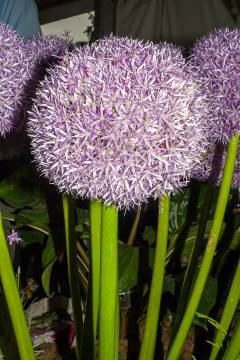
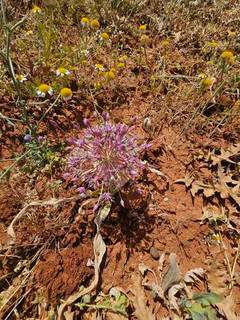
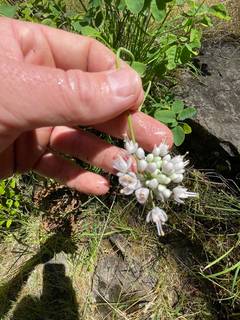
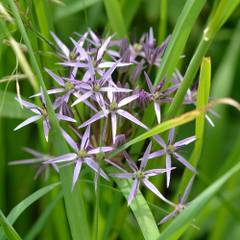
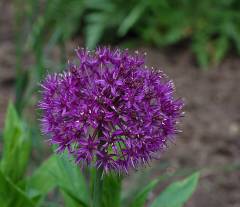
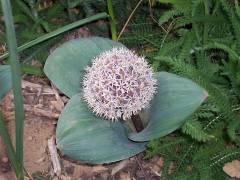
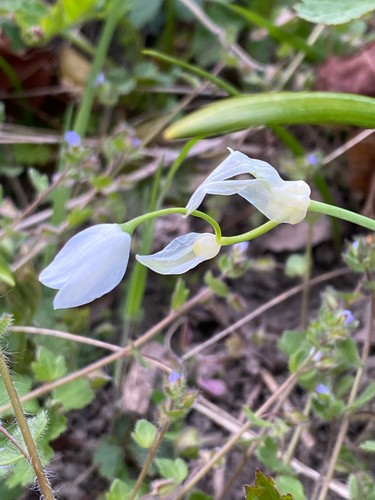
Onions bolt if exposed to prolonged cold during early growth, producing a single flower stalk topped with a spherical white-purple umbel 2-3 inches (5-8 cm). Bolting ruins the bulb. Cold soil and very early planting both increase bolting risk, so transplanting timing matches the soil-temperature window.
Detailed Descriptions
Flower Description
White to pale-purple spherical umbels 2-3 inches (5-8 cm) only when the plant bolts, which is undesirable in a bulb cropFoliage Description
Blue-green hollow tubular leaves; upright then falling over at maturityGrowing Conditions
Sun Requirements
Requires 8-12 hours of direct sunlight daily
• Full Sun: 6+ hours of direct sunlight
• Partial Shade: 3-6 hours of direct sunlight
• Full Shade: Less than 3 hours of direct sunlight
Care & Maintenance
Care Guide
Seed is started indoors 10-12 weeks before last frost for the largest exhibition bulbs. Transplanting occurs after the last frost into rich, well-drained soil at pH 6.0-7.0. Long-day onion: bulbs form when daylight reaches 14-16 hours, so the cultivar performs at latitudes above 37°N. Consistent moisture and regular feeding (a balanced fertilizer every 3-4 weeks) support the largest bulbs. Days to maturity 105-115 from transplant. Harvest occurs when the tops fall over. Curing is brief and bulbs are eaten within 2-4 weeks, since the cultivar is not a storage type. The cultivar does not perform south of about 37°N, where short-day or day-neutral cultivars are needed instead. All Allium species contain thiosulfates that are toxic to dogs, cats, and horses; the bulb and foliage are not given to pets.Pruning
Flower stalks are removed at the base immediately if they appear, since bolting stops bulb development. No other pruning is applied. Foliage is left in place during the bulb-development phase.Container Growing
Suitable for container growing
Minimum container size: 5 gallons
Toxicity Warning
Toxic to petsPlanting Guide
Planting Methods & Timing
Planting Method
transplant
Indoor Start
11 weeks before last frost
Direct Sow Timing
Not recommended for the largest bulbs — start indoors
Days to Maturity
105–115 days
Plant Spacing
6 inches