Paeonia, Genus, lactiflora, Species, 'Alexander Fleming', Cultivar,
- Genus & species
- Cultivar
alexander fleming peony
Garden hybrid; species native to central and eastern Asia
Overview
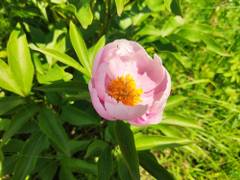
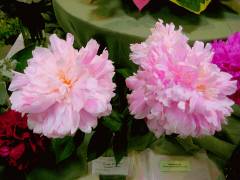
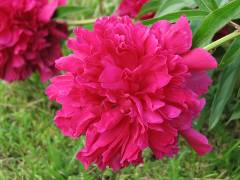
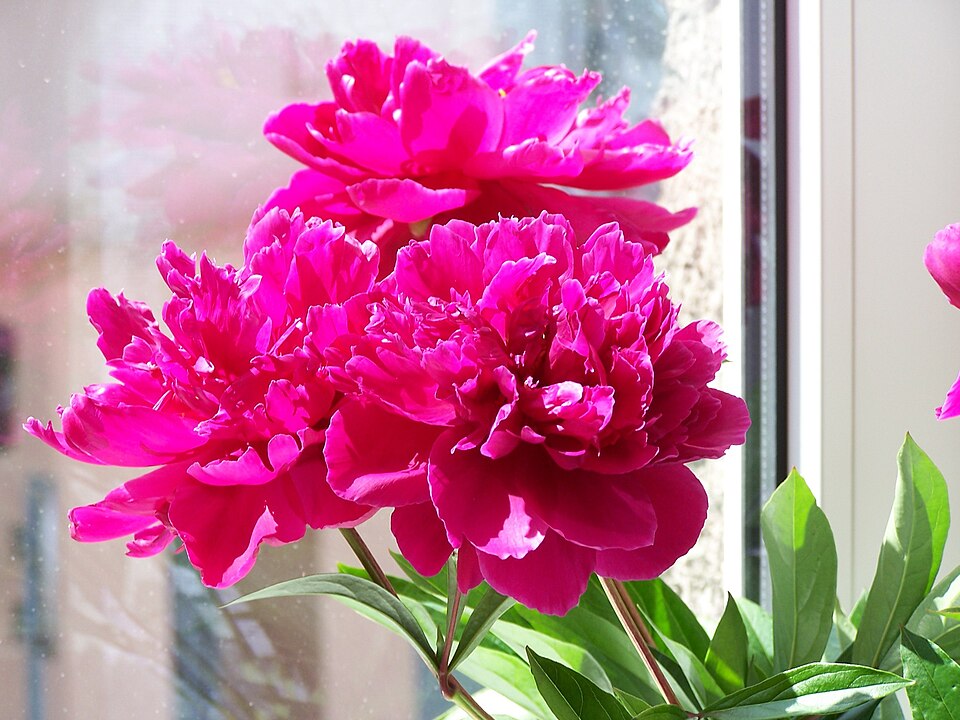
'Alexander Fleming' is a double-flowered cultivar of Paeonia lactiflora forming a clump 28-32 inches (71-81 cm) tall and 28-34 inches (71-86 cm) wide. Compound foliage emerges deep green in spring with reddish leaf stalks; leaflets reach 3-4 inches (8-10 cm) long. Flowers measure 5-7 inches (13-18 cm) across in double form, opening rose-pink and aging to lighter pink at petal tips while deeper rose-pink remains at petal bases. Petal count averages 60-100 per flower. Bloom occurs mid-season, late May through early June in zones 5-7. Rose-tea fragrance is detectable at 18-24 inches (45-60 cm) from open flowers. Stems reach 26-30 inches (66-76 cm) and bow under heavy bloom load during rain; staking holds flowers upright. Foliage remains deep green through summer and turns yellow-bronze after first frost before dying to ground level. Plants live 50+ years in suitable sites and resent root disturbance once established. Bred by Edouard Doriat in France and introduced in 1955.
Native Range
The species P. lactiflora is native to central and eastern Asia from eastern Siberia south to northern China and Korea, occurring on grassy slopes and forest margins at 1,300-7,500 feet (400-2,300 m). 'Alexander Fleming' is a French-bred garden cultivar with no wild populations.Suggested Uses
Used in mixed perennial borders at 30-36 inch (76-91 cm) spacing and as a cut flower with 4-7 day vase life when stems are cut at the cracked-bud stage. Planted in zones 4-7 in regions with at least 600 chilling hours below 40°F (4°C); blooms poorly in zones 8-9 due to insufficient winter chill. Roots resent disturbance; transplanted plants typically take 2-3 years to resume flowering.How to Identify
Appearance
Size & Dimensions
Height2'4" - 2'8"
Width/Spread2'4" - 2'10"
Bloom Information
Late May through early June in USDA zones 4-7, with bloom shifting earlier to mid-May in zone 8 and later to mid-June in zone 3. Individual flowers last 5-7 days; total bloom duration per plant is 7-10 days. Cool springs extend bloom by 3-5 days; daytime temperatures above 80°F (27°C) shorten bloom to 4-5 days.
Detailed Descriptions
Flower Description
Rose-pink at base fading to lighter pink at petal tipsFoliage Description
Deep green with reddish leaf stalksGrowing Conditions
Sun Requirements
Requires 6-8 hours of direct sunlight daily
• Full Sun: 6+ hours of direct sunlight
• Partial Shade: 3-6 hours of direct sunlight
• Full Shade: Less than 3 hours of direct sunlight
Care & Maintenance
Care Guide
Weekly watering during the first growing season is needed in the absence of rain; established plants tolerate 2-3 weeks without rain in summer. A 1 inch (2.5 cm) layer of compost in early spring supplies nutrients, with mulch kept off the crown to reduce rot risk. Botrytis blight develops on stems and buds in cool wet springs, appearing as gray-brown rot at bud bases. Foliage yellows and may collapse by late summer when daytime temperatures exceed 90°F (32°C). Plants do not require division for flowering and may bloom for 50 years from a single planting; division for propagation is performed in early fall with eyes replanted 1.5-2 inches (4-5 cm) below soil surface.Pruning
Cut stems to ground level in late fall after foliage browns, or in early spring before new growth emerges. Spent flower stems may be removed during bloom to prevent seed formation, which has minimal effect on plant vigor since most cultivars set little viable seed. Disbudding side buds when they reach pea size produces one larger terminal flower per stem; leaving all buds yields multiple smaller flowers in succession over 7-10 days.Pruning Schedule
Prune: March & October–November
fallearly spring