Agrimonia, Genus, spp., Multiple species,
- Genus
- Multiple species
agrimonies
Temperate Northern Hemisphere (Europe, Asia, North America)
Overview
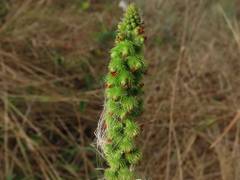
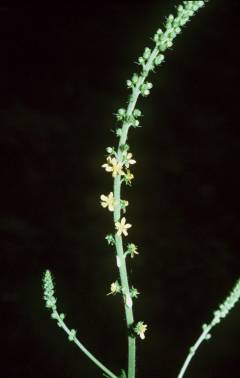
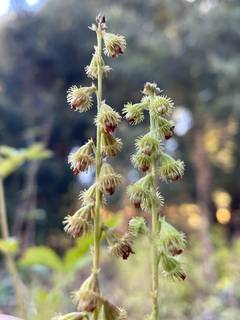
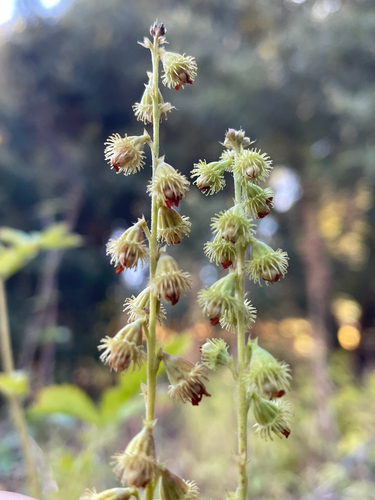
Agrimonia is a genus of about 15 species of perennial herbs in the rose family (Rosaceae), known as agrimonies. Plants grow 1-5 feet (30-150 cm) tall from a woody rootstock, with upright, often hairy stems and pinnate leaves made up of paired large leaflets interspersed with smaller ones. The small yellow flowers have five petals and are carried in long, slender, tapering spikes that open from the base upward over several weeks. As the flowers fade, they form small top-shaped fruits ringed with hooked bristles that catch on fur and clothing and carry the seed away. The foliage has a faint scent when bruised, and several species, particularly A. eupatoria, have a long record of herbal use. Most agrimonies grow in meadows, woodland edges, and hedgerows across the temperate Northern Hemisphere. The genus tolerates a range of soils and some drought once established, though it grows fuller in steady moisture. The slim flower spikes are upright and narrow, so plants take little room in a border. Agrimonia self-seeds readily by means of its clinging fruits.
Native Range
Agrimonia is native to temperate regions of the Northern Hemisphere, with species across Europe, Asia, and North America and a few in tropical mountains and South America. North American species grow in fields, open woods, and along trails.Suggested Uses
Planted in wildflower meadows, cottage and herb gardens, and naturalistic borders for vertical yellow spikes in summer. The narrow habit suits the middle of a mixed planting among broader perennials. A. eupatoria is also grown in herb gardens for traditional tea and dye use.How to Identify
Appearance
Size & Dimensions
Height1' - 5'
Width/Spread1' - 2'
Bloom Information
Most Agrimonia bloom through summer, with each spike opening gradually from the bottom toward the tip over three to six weeks. The small flowers are visited by bees and hoverflies for pollen. Seed set follows on the lower spike while the tip is still flowering.
Detailed Descriptions
Foliage Description
greenGrowing Conditions
Sun Requirements
Requires 4-10 hours of direct sunlight daily
• Full Sun: 6+ hours of direct sunlight
• Partial Shade: 3-6 hours of direct sunlight
• Full Shade: Less than 3 hours of direct sunlight