Agalinis, Genus, tenuifolia, Species,
- Genus & species
slender false foxglove
SunFull Sun – Part Shade
WaterMedium
Overview
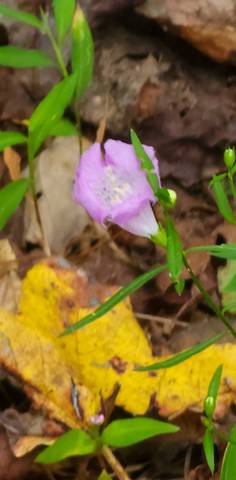
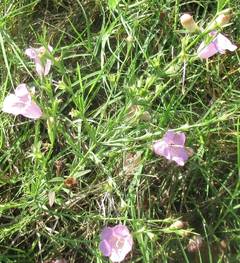
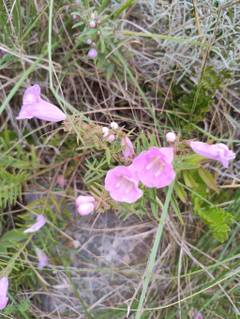
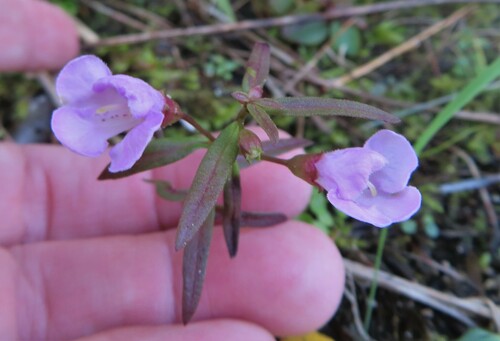
Agalinis tenuifolia is a slender annual that grows 6-24 inches (15-60 cm) tall with thin, wiry, branching stems and narrow, linear leaves. It is a hemiparasite, drawing part of its water and nutrients from the roots of nearby grasses and other plants while still making its own food. From late summer into fall it bears pink to rose-purple, bell-shaped flowers about 0.5 inch (1.3 cm) long, with two yellow lines and purple spots in the throat. Each flower opens for a single day. The species is native to moist meadows, prairies, open woods, and streambanks across eastern and central North America. It grows in full sun to part shade in moist to seasonally dry soil and relies on nearby host plants for full growth. Because of its parasitic habit it is difficult to move and is grown from seed sown where it is to grow. The flowers draw bees, and the foliage feeds the larvae of the common buckeye butterfly. Plants die with frost and return from self-sown seed. Grown as an annual.
Native Range
Agalinis tenuifolia is native to eastern and central North America, from Quebec and Ontario south to Florida and Texas. It grows in moist meadows, prairies, open woods, fens, and along streams and ditches.Suggested Uses
Used in prairie and meadow restorations, native plant gardens, and pollinator plantings among grasses. Suited to moist, sunny sites where host plants grow. Sown in drifts where it can reseed.How to Identify
Appearance
Size & Dimensions
Height6" - 2'
Width/Spread6" - 1'
Bloom Information
Detailed Descriptions
Flower Description
Pink to rose-purpleFoliage Description
GreenGrowing Conditions
Sun Requirements
Requires 4-8 hours of direct sunlight daily
• Full Sun: 6+ hours of direct sunlight
• Partial Shade: 3-6 hours of direct sunlight
• Full Shade: Less than 3 hours of direct sunlight
Water & Climate
Water Needs
Care & Maintenance
Care Guide
Sow seed in fall or spring directly where plants are to grow, as the hemiparasite does not transplant well. Grow in full sun to part shade in moist to seasonally dry soil among grasses or other host plants. It needs no fertilizer and draws nutrients partly from host roots. Plants are annual and die with frost, returning from self-sown seed. Clear dense, competing weeds while seedlings establish. Rich, heavily fertilized soil favors competing plants over the seedlings.Pruning
No pruning is needed on this small annual. Spent plants may be cleared after frost. Seed is left to scatter for the next season.Toxicity
Non-toxicPlanting Guide
Planting Methods & Timing
Planting Method
direct sow
Direct Sow Timing
Fall or early spring, in place
Days to Maturity
90–120 days
Plant Spacing
8 inches
Companion Planting
Good Companions