Agalinis, Genus, spp., Multiple species,
- Genus
- Multiple species
false foxgloves
Americas; most diverse in eastern North America
Overview
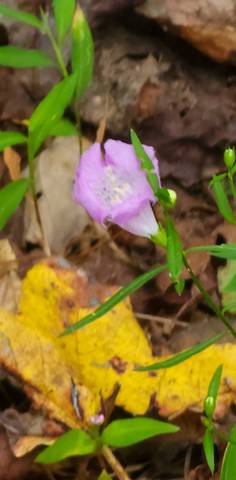
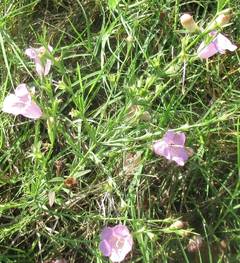
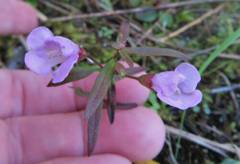
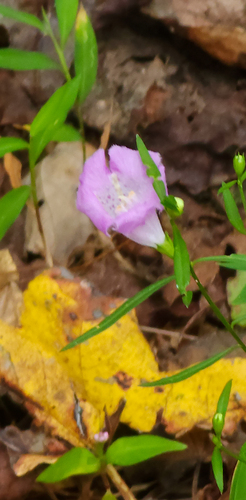
Agalinis is a genus of about 70 species of slender, mostly annual herbs in the broomrape family, Orobanchaceae, known as false foxgloves or gerardias, native to the Americas and most diverse in eastern North America. Plants are wiry and openly branched, 4 to 40 inches (10 to 100 cm) tall, with narrow, opposite leaves that are sometimes reduced to thread-like segments. Most species are hemiparasites: their roots attach to the roots of grasses and other plants to draw water and minerals while still making their own food through green leaves. From late summer into autumn the stems carry loose clusters of tubular, bell-shaped flowers about 0.5 to 1.5 inches (1.5 to 4 cm) long, usually pink to rose-purple, often with darker spots and two yellow lines in the throat. The petals flare into five rounded lobes and drop quickly, frequently by the end of the day. Agalinis grows in prairies, open pine woods, fens, and moist sandy ground, often in nutrient-poor or seasonally wet sites. Several species are uncommon, and A. acuta is protected as a threatened species in parts of the United States. Because the genus depends on host plants, it is hard to grow in cultivation and is encountered mainly in wild plant communities.
Native Range
Agalinis is native to North, Central, and South America, with the greatest number of species in the eastern United States. Plants grow in prairies, open woodland, fens, and moist sandy or rocky ground. The genus is most often found in fire-managed grasslands and pine savannas.Suggested Uses
Agalinis is grown mainly in prairie and pine-savanna restorations and native plant conservation rather than ornamental beds. The autumn flowers support late-season bees and other pollinators. A few species are included in specialist native wildflower seed mixes.How to Identify
Appearance
Size & Dimensions
Height4" - 3'4"
Width/Spread4" - 1'6"
Bloom Information
Agalinis flowers from late summer into autumn, roughly August to October, opening a few tubular pink flowers at a time along the upper stems. Each flower lasts about a day before the petals fall. Bloom continues for several weeks as new buds open in succession.
Detailed Descriptions
Flower Description
pink to rose-purpleFoliage Description
greenGrowing Conditions
Sun Requirements
Requires 6-12 hours of direct sunlight daily
• Full Sun: 6+ hours of direct sunlight
• Partial Shade: 3-6 hours of direct sunlight
• Full Shade: Less than 3 hours of direct sunlight
Water & Climate
Water Needs
Care & Maintenance
Care Guide
Agalinis species grow in full sun on moist to seasonally wet, nutrient-poor sandy or peaty soils. Most are hemiparasites that need living host roots, usually grasses, to grow strongly, which makes them hard to establish in ordinary garden soil. Seed germinates in place and the seedlings attach to nearby hosts early in the season. The annual species complete their life cycle in one year and depend on regular seed set to persist. Many grow in fire-maintained habitats and decline as grasslands close in or are developed. The genus is rarely cultivated and is usually conserved in its natural setting rather than planted.Pruning
Pruning is not used with Agalinis, as the plants are slender annuals that set seed and die within a season. Stems are left standing so seed can ripen and scatter for the following year. No cutting back or shaping is involved.Toxicity: Not assessed
UnknownPlanting Guide
Planting Methods & Timing
Planting Method
direct sow
Direct Sow Timing
Autumn or early spring, sown over host grasses
Days to Maturity
90–150 days