Aconitum, Genus, napellus, Species,
- Genus & species
common monkshood
Central and western Europe (Pyrenees to Carpathians and Balkans); 3,000-8,000 feet (900-2,400 m)
Overview
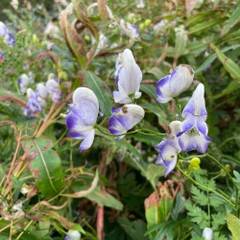
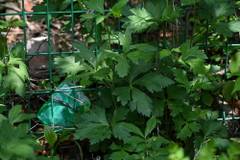
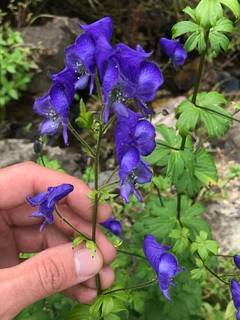
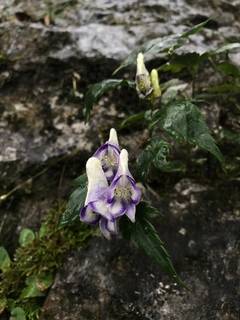
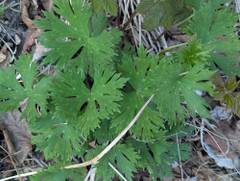
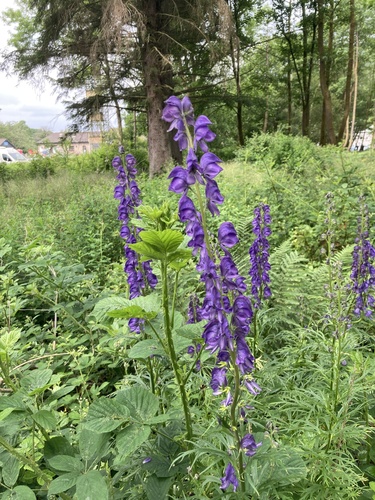
Aconitum napellus is an upright herbaceous perennial reaching 3–5 feet (90–150 cm) tall with a spread of 18–24 inches (45–60 cm), forming a dense erect clump. It is the type species of the genus and is widely cultivated; many common garden cultivars including bicolor and hybrid selections derive from it. Leaves are palmately divided, 3–6 inches (7.5–15 cm) wide, with five to seven very deeply and narrowly cut lobes, dark glossy green — more finely dissected than most other commonly grown Aconitum species. Flowers are deep violet-blue with the characteristic arched hood (galea), produced on dense erect unbranched racemes 12–18 inches (30–45 cm) long from June through August. Stems are erect and may require staking at the taller end of the height range in exposed or windy sites. Aconitum napellus contains aconitine in concentrations among the highest of any temperate garden plant — all parts are highly toxic to humans, pets, and livestock. Skin contact with sap causes alkaloid absorption and numbness. The plant does not tolerate drought and declines where summer temperatures exceed 75°F (24°C) without afternoon shade.
Native Range
Aconitum napellus is native to mountain meadows, stream margins, and moist open woodland edges in central and western Europe, from the Pyrenees east to the Carpathians and Balkans, at elevations of 3,000–8,000 feet (900–2,400 m). It has been cultivated in European gardens since at least the medieval period and is naturalized in parts of North America.Suggested Uses
Planted in partially shaded to lightly sunny borders and woodland garden edges at 18–24 inch (45–60 cm) spacing. The dense deep violet-blue racemes from June through August contribute to the midsummer shade border display. Suited to zones 3–8 in consistently moist, cool sites. All parts are toxic to humans, pets, and livestock; aconitine concentrations are among the highest in any temperate garden plant. Not suited to dry soils or hot-summer climates without consistent afternoon shade.How to Identify
Appearance
Size & Dimensions
Height3' - 5'
Width/Spread1'6" - 2'
Colors
Bloom Information
Deep violet-blue hooded flowers are produced on dense unbranched erect racemes 12–18 inches (30–45 cm) long from June through August, lasting 6–8 weeks. Individual flowers are 1–1.5 inches (2.5–4 cm) long. Racemes open progressively from base to tip.
Detailed Descriptions
Foliage Description
dark glossy greenGrowing Conditions
Sun Requirements
Requires 2-6 hours of direct sunlight daily
• Full Sun: 6+ hours of direct sunlight
• Partial Shade: 3-6 hours of direct sunlight
• Full Shade: Less than 3 hours of direct sunlight
Care & Maintenance
Care Guide
Plant in moist, well-drained, humus-rich soil with a pH of 5.5–7.0 in partial shade to full sun where summers are cool. Afternoon shade is required where summer temperatures regularly exceed 75°F (24°C). Consistent moisture is essential — watering weekly during dry periods prevents wilting and foliage decline. Mulching retains soil moisture and keeps the root zone cool. Hardy in zones 3–8. Clumps are divided every 3–4 years in early spring to maintain vigor. All parts contain high concentrations of aconitine alkaloids; skin contact with sap causes numbness and alkaloid absorption through broken skin. Stems at the taller end of the 3–5 foot (90–150 cm) range may require staking in exposed sites.Pruning
Stems are cut to the ground in late fall after frost. Spent racemes are deadheaded promptly; a second flush of smaller racemes sometimes follows in late summer. Division is done in early spring before significant foliage emergence. All parts contain high-concentration aconitine alkaloids; sap contact with broken skin causes numbness.Pruning Schedule
Prune: March & October–November
fallearly spring